The United Nations COP31 climate conference ended without a political agreement on Sunday after deep divisions over the future of fossil fuels, with Saudi Arabia facing accusations from European and developing countries that it exercised disproportionate influence over negotiations to prevent commitments on reducing reliance on oil, gas and coal.
Negotiators from Europe, small island states, Latin America, Asia and Africa told Reuters that Saudi officials had enjoyed regular access to the Turkish and Australian conference presidents, while representatives of several other negotiating groups struggled to secure meetings. The dispute intensified as the conference entered record overtime, with some delegates complaining that promised discussions with the presidency had repeatedly been cancelled.
Ireland’s climate minister, Darragh O’Brien, speaking on behalf of the European Union, accused oil-producing countries of dominating the negotiations. “This COP, I believe, was hijacked by some oil states,” he told Reuters when asked about Saudi Arabia’s role.
The Turkish COP presidency rejected allegations of preferential access, stating that no country or negotiating group had received special treatment. Saudi Arabia and Australia did not immediately respond to requests for comment.
Saudi Arabia and other members of the Organisation of the Petroleum Exporting Countries (OPEC) have consistently opposed climate agreements containing language specifically targeting fossil fuels, arguing that oil, gas and coal will remain necessary components of the global energy mix for the foreseeable future. Fossil fuels had, however, been explicitly referenced in agreements reached at previous climate conferences in Glasgow in 2021 and Dubai in 2023.
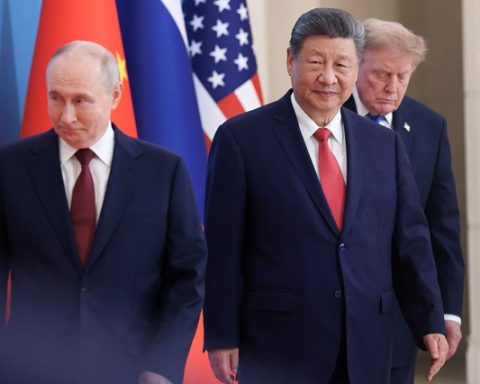
Several negotiators argued that Riyadh’s position gained additional influence at Antalya because of limited US engagement and the absence of close coordination between Washington and Beijing, which had helped broker compromises at previous summits. Singapore Environment Minister Grace Fu said the absence of major powers defining the negotiating parameters had made it more difficult to establish common ground.
Expectations had been relatively modest when COP31 opened, with Turkey seeking to advance a global electrification initiative and prioritise the implementation of existing climate commitments. However, divisions widened after the Turkish presidency circulated a revised draft agreement that omitted any reference to fossil fuels.
During the second week, Saudi Arabia maintained that the final text should exclude references to fossil fuels while incorporating stronger support for carbon capture technologies designed to reduce emissions. An Asian negotiator involved in the discussions said Riyadh presented these positions as non-negotiable.
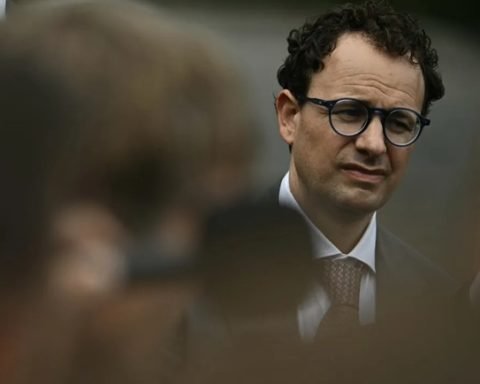
The European Union also adopted a firm position. EU Climate Commissioner Wopke Hoekstra warned on Saturday that negotiations would produce either an acceptable agreement or no agreement at all.
Germany subsequently coordinated discussions with small island states, African countries and members of the High Ambition Coalition, which includes vulnerable nations and developed countries such as Singapore and Canada. The group produced a letter supported by approximately 130 countries demanding that any final agreement include a commitment to transition away from fossil fuels.
The presidency’s revised draft, released early on Sunday, largely disregarded that demand, retaining its silence on fossil fuels while maintaining strong language supporting carbon capture. Tuvalu’s climate minister, Maina Talia, responded angrily, saying: “It seems like we are negotiating with the Saudis.”
As negotiations continued to deteriorate, delegates began leaving Antalya to catch flights. During Sunday’s closing plenary, COP31 president Murat Kurum acknowledged that consensus had not been achieved and confirmed that he would not introduce another draft agreement.
The collapse exposed the continuing divisions between major fossil fuel producers and countries seeking a faster transition towards a low-carbon economy. Danish Climate Minister Samira Nawa questioned the influence of oil-producing states, saying the inability to mention fossil fuels in the final text appeared to give those countries a greater voice in the negotiations.