US Director of National Intelligence Jay Clayton has warned that Americans should expect further technology disruptions as the government and private companies accelerate investment in artificial intelligence infrastructure, cybersecurity and system upgrades, following a series of outages affecting air travel, banking services and Microsoft platforms.
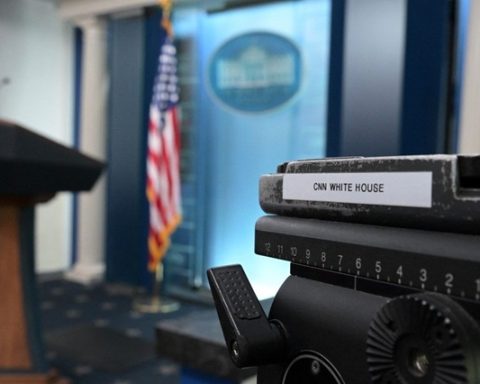
Speaking on CNN’s State of the Union, Clayton said major technological transitions inevitably create operational difficulties, even when upgrades are intended to improve security and long-term resilience. His remarks come days before Thanksgiving on Thursday, when millions of Americans are expected to travel during one of the country’s busiest holiday periods.
“The American people should be prepared for a great deal of investment in upgrading our systems; they should be prepared for investment in cybersecurity,” Clayton said. He added that significant advances in computing capabilities and applications would inevitably produce temporary disruptions.
Clayton said companies and government institutions were already addressing the challenges through planned upgrades, warning that systems could experience interruptions while improvements were implemented. He urged the public to recognise that such disruptions could form part of the transition towards more advanced technological infrastructure.
His comments follow several significant service interruptions that have affected essential sectors. A recent Federal Aviation Administration (FAA) technology failure forced a nationwide ground stop lasting several hours, disrupting air travel just over a week before the Thanksgiving holiday.
The FAA attributed the incident to router upgrades that generated an unexpected surge in data, overwhelming the system and necessitating the suspension of flights. The agency said there was no indication that a cyberattack had caused the disruption.
Microsoft separately reported that an outage affecting its Outlook service resulted from a problem during an earlier network capacity upgrade. Banking services were also affected by technical difficulties that slowed transactions, including an incident involving JPMorgan Chase.
Government officials have largely dismissed suggestions that the separate incidents were connected through a coordinated cyberattack or an artificial intelligence-driven operation. The available explanations instead point to different technical causes involving system upgrades and operational capacity.
Treasury Secretary Scott Bessent also sought to reassure the public about the security of financial institutions during an appearance on CBS’ Face the Nation. Asked whether Americans should be concerned about the safety of their banks, he replied that they should not.
Bessent described technical interruptions associated with security improvements as a possible consequence of measures being introduced to protect financial institutions against emerging AI-related threats. He compared the process to vaccination, suggesting that temporary discomfort could produce stronger long-term protection.
“The patches may cause a glitch,” he said, arguing that such measures would ultimately improve the financial system’s immunity and resilience.
The statements from Clayton and Bessent reflect the challenges facing government agencies and major companies as they modernise infrastructure while maintaining uninterrupted public services. With aviation, financial transactions and digital communications increasingly dependent on complex technological systems, the officials’ warnings highlight the possibility that upgrade-related disruptions will remain a concern during the transition.
Neither official identified a specific timetable for further interruptions. However, Clayton made clear that the public should not assume that modernisation and cybersecurity improvements would take place without temporary operational difficulties.