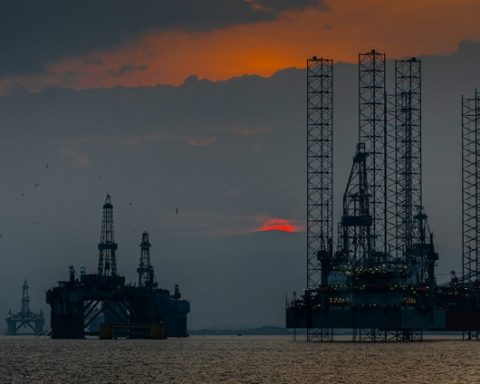
Oil prices fell on Monday as a broader sell-off in global financial markets spread to commodities, reflecting growing investor concerns about the ability of the artificial intelligence sector to sustain economic growth. However, continued attacks on Gulf shipping and renewed threats to regional energy infrastructure limited the decline, leaving markets caught between weakening economic sentiment and persistent supply risks.
By 0216 GMT, Brent crude futures had fallen 28 cents, or 0.30%, to $92.29 a barrel, while US West Texas Intermediate (WTI) crude declined 15 cents, or 0.18%, to $83.26. The latest losses extended a three-week downward trend, with Brent falling 4% and WTI losing 5% during the previous week.
The weakness in oil prices coincided with declining equity markets across Asia. South Korea’s technology-heavy stock market dropped 4% on Monday, while markets in China, Hong Kong and Australia also opened lower. In the United States, the Nasdaq plunged 10% last week, adding to concerns about the wider economic consequences of the technology-sector sell-off.
The negative sentiment has increased pressure on commodities, including crude oil, as investors reassess expectations for economic growth and energy demand. Nevertheless, developments in the Middle East continue to provide an important counterweight to the downward pressure.
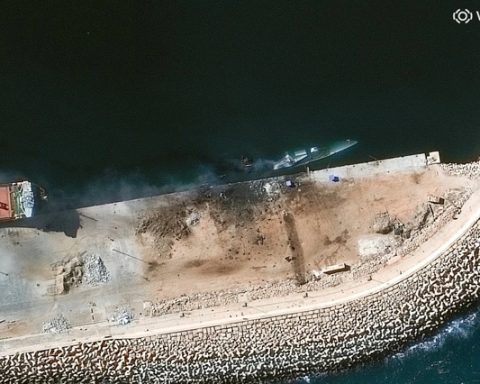
The unresolved US-Israeli war against Iran and continuing attacks on commercial shipping have heightened concerns about the security of oil supplies through the Gulf. On Sunday, Yemen’s Iran-aligned Houthi movement claimed responsibility for an attack on a Saudi Arabian oil refinery at Rabigh. Several other attacks on shipping were also reported over the weekend, including incidents in the Gulf and near the strategically important Strait of Hormuz.
Mukesh Sahdev, chief oil analyst at Sydney-based XAnalysts, attributed the latest price movement primarily to market momentum. However, he warned that the shipping disruptions could eventually exert greater influence on crude prices.
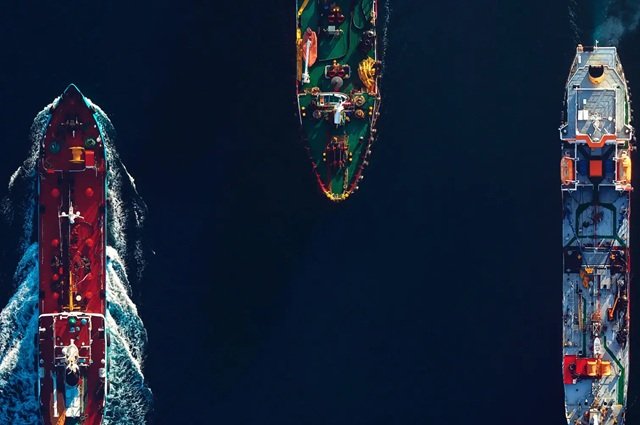
He pointed to an emerging imbalance between empty vessels travelling to load oil and tankers already carrying crude, suggesting that the growing number of empty vessels relative to loaded shipments could signal increasing pressure on supply flows. The resulting risks, he said, would eventually begin to be reflected in oil prices.
The developments come amid wider international disagreements over the future of fossil fuels. At the COP31 climate summit in Turkey, negotiations collapsed on Sunday after participating nations failed to reach agreement on including a reference to phasing out fossil fuels in the final text. The breakdown marked the first such failure at a global climate summit since 2009.
Saudi Arabia and other major oil-producing countries argued that fossil fuels would remain an important part of the global economy for the foreseeable future. According to observers at the summit, they lobbied against including references to fossil fuels in the final agreement. The Organisation of the Petroleum Exporting Countries (OPEC) had also defended continued fossil fuel use during the negotiations.
Attention is now turning to the next policy decisions by OPEC+, which includes OPEC members and allied producers such as Russia. Ministers from the group are scheduled to hold a series of meetings on November 29 to determine oil production policy for 2027.
The outcome could influence market expectations at a time when crude prices are being shaped by competing forces: weakening financial markets, uncertainty over future energy demand and continuing security threats to some of the world’s most important oil transportation routes.