Editorial
The recent push by the Malima-JVP administration to dismantle trade unions under the guise of economic stability is nothing short of an assault on the very principles of democracy and justice. This government, supposedly elected to bring change, is instead orchestrating a blatant power grab that betrays the promises made to the people. What we are witnessing is a government that masquerades as democratic while pursuing policies more reminiscent of authoritarian rule. By moving to dissolve unions, this administration exposes its true intentions: to silence dissent, strip workers of their rights, and create a passive, compliant society that answers to the will of the few rather than the voice of the many.
We should be very clear about what’s happening here. This is not an economic reform. This is an insidious power play that aims to weaken the backbone of public resistance and remove one of the last lines of defence against unchecked authority. Trade unions have long stood as the defenders of worker rights, advocating for fair wages, reasonable working hours, and humane conditions. Their dissolution under this administration is not about efficiency or stability; it’s about control. The unions represent a voice that stands against the exploitation of workers, and that is precisely why this administration wants to silence them.
However, the trade unions led by this government while in opposition engaged in repeated acts of sabotage on numerous occasions, severely damaging the state’s structure, from healthcare to education. It is not the ethical unions that should face scrutiny, but rather those led by the JVP and its allies, who must be held accountable.
This government claims to champion the common person, yet in reality, it is pandering to a select few. The rhetoric is designed to fool the public into believing that unions are obstacles to progress, an archaic nuisance holding the country back. This narrative is as dangerous as it is dishonest. Unions are not the barrier to development; they are the safeguard against exploitation. By positioning unions as enemies of growth, this administration is gaslighting the nation into supporting its authoritarian ambitions.
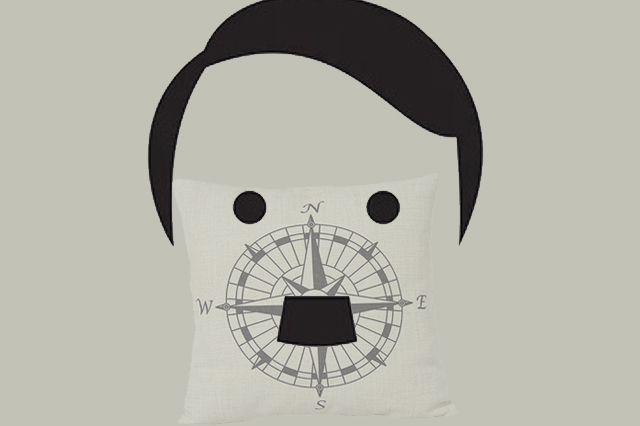
History is rife with examples of leaders who rose through democratic means only to dismantle those very structures once they were in power. The Malima-JVP administration’s actions are eerily reminiscent of these dark chapters. Recall how Hitler’s Nazi regime took advantage of Germany’s democratic systems to gain power, only to dismantle unions and establish total control once in office. Mussolini’s Italy followed a similar path, where unions were dissolved and workers’ rights crushed to clear the way for unchecked power. Each of these leaders began by removing unions—the very organisations that stood in opposition to absolute authority. What followed was a ruthless silencing of the populace and a descent into oppression. The Malima-JVP administration is playing from the same handbook: silence dissent, weaken the public’s voice, and consolidate power for a ruling elite.
It is astounding, if not outright hypocritical, that this administration dares to claim it represents the people while it systematically dismantles the structures that protect their rights. Where is the promised “change” that was supposed to empower the working class? This is not governance; this is exploitation dressed up as reform. The people voted for progress, yet what they are receiving is regression—a march backwards into a future where the average worker has no voice, no rights, and no power.
This hypocrisy is even more glaring when we examine how the government manipulates the middle class into supporting these draconian measures. By feeding the public a narrative that paints unions as anti-progress, it convinces the urban middle class that unions are obstacles to their own prosperity. In reality, the destruction of unions will only harm the middle class in the long run. A weakened workforce, devoid of collective bargaining power, will ultimately drive down wages, erode job security, and turn Sri Lanka into a haven for those who would exploit labour at rock-bottom prices. The middle class may support these measures now, but they will eventually bear the brunt of this so-called “economic reform.”
This is not the democracy people hoped for. This administration’s version of democracy is a thin façade, hiding an authoritarian impulse that seeks to control, silence, and exploit. By dismantling unions, they aim to create a compliant, submissive workforce, leaving workers vulnerable to the whims of the exploiters. And this betrayal extends far beyond the realm of workers’ rights; it is a betrayal of democracy itself. For a government that came to power on promises of change, transparency, and empowerment, it is nothing less than an insult to the people that it now moves to dismantle the very institutions that give citizens a voice.
This government is not interested in democracy; it is interested in dominance. It has no regard for the public it claims to serve, and its promises of reform ring hollow as it systematically strips away the rights of the people. There is no real democracy in a system that silences unions, that punishes resistance, that aligns itself with profiteers while claiming to be “for the people.” This is not leadership; this is hypocrisy of the highest order. It is a deliberate betrayal of the very citizens who placed their trust in a promise of change, only to be handed the same authoritarian repression that they sought to escape.
The people of Sri Lanka deserve better than this false democracy. They deserve leaders who truly represent their interests, who protect their rights rather than stripping them away. They deserve a government that respects the fundamental role of unions in protecting workers and that understands the dangers of handing unchecked power to a few elites. The dissolution of unions is the first step in a slippery descent into authoritarian rule, and we must recognise it for what it is: a blatant betrayal, a warning sign, a call to action. If we remain silent, if we allow this to pass unchallenged, we are complicit in the erosion of our own freedoms. And if we do not stand against it now, we may well find ourselves in a future where democracy exists only in name, and the rights of the people have been sold to the highest bidder.