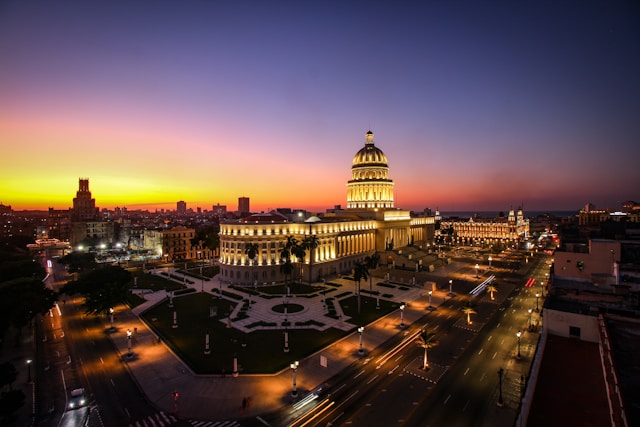
In a significant move hailed as a step toward improving U.S.-Cuba relations, the Biden administration has removed Cuba from its list of state sponsors of terrorism. The decision, announced just days before Donald Trump is set to assume office, coincides with Cuba’s announcement of the gradual release of 553 prisoners, many of whom were detained during the 2021 anti-government protests.
The development, which the U.S. insists was not part of formal negotiations, follows years of quiet mediation efforts by the Catholic Church. A senior Biden administration official emphasized that the removal of Cuba from the terrorism list and the prisoner release were unilateral steps, with no direct quid pro quo between the two governments.
For Cuba, this decision represents a partial alleviation of the diplomatic and economic pressures that have strained the island nation for years. A statement from the Cuban Foreign Ministry welcomed the move, describing it as “limited but in the right direction.” The ministry also reiterated its call for the U.S. to lift the broader economic blockade, which continues to severely impact the Cuban economy and population.
President Miguel Díaz-Canel echoed these sentiments, framing the prisoner release as a humanitarian gesture and reaffirming Cuba’s commitment to making its decisions independently. The release of prisoners is expected to take place gradually in the coming weeks.
The removal of Cuba from the terror list reverses a January 2021 decision by the Trump administration, which had accused Havana of granting safe harbor to terrorists. This designation had far-reaching consequences, including travel restrictions for European and UK visitors who had been to Cuba, further stifling the island’s economy.
The prisoner release, which includes many detained during the July 2021 protests—one of the largest demonstrations since the 1959 revolution—addresses some of the international outcry over Cuba’s handling of dissent. These protests were fueled by economic hardship and calls for greater political freedoms.
While the Biden administration’s decision has been lauded by advocates of rapprochement, it has also drawn sharp criticism from Republican leaders. Congressman Mario Díaz-Balart called the move “shameful,” accusing the administration of emboldening the Cuban government. Marco Rubio, Trump’s nominee for Secretary of State and a vocal critic of Cuba, is expected to bring this issue to the forefront during his Senate confirmation hearing.
Despite this progress, challenges remain in U.S.-Cuba relations. The Cuban government continues to emphasize the harm caused by the long-standing economic embargo, which remains firmly in place. Observers note that while this decision marks a step forward, broader dialogue and actions will be needed to address the complex issues that have defined the relationship between the two nations.