A growing number of young Britons are being caught in an international drug trafficking web, lured by promises of glamour, quick cash — and a “free holiday.” Among them is 19-year-old Bella Culley, a pregnant nursing student from Teesside, who now faces up to 20 years in a Georgian prison after being arrested in May with 14kg of cannabis in her luggage.
Culley’s case is not isolated. Charlotte May Lee, 21, from south London, was arrested days later in Sri Lanka, allegedly carrying 46kg of cannabis. A month earlier, Cameron Bradford, also 21, from Hertfordshire, was detained in Munich on similar charges. All three had one thing in common: they had travelled from Thailand, the country at the heart of a rapidly growing smuggling crisis.
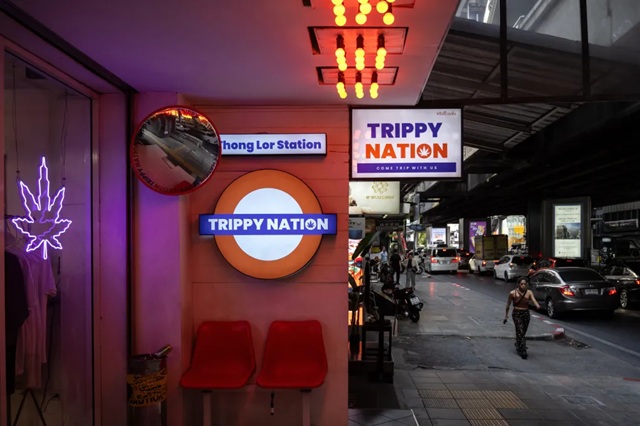
The Times UK reports that cannabis decriminalisation in Thailand in 2022 created the perfect environment for British criminal gangs to exploit. The country now boasts over 11,000 registered dispensaries, making cannabis cheap and easily available. This has sparked what the UK’s National Crime Agency (NCA) describes as a “huge increase” in British nationals being used as couriers — especially young people recruited via social media or while on holiday.
“We went from not seeing anyone from Thailand to seeing hundreds of people,” said Paul Pantry, the NCA’s senior manager for border vulnerabilities. “It’s become this sort of Instagrammable trip — a glamorous location, easy money. But behind it are ruthless gangs using them as disposable assets.”
The economic temptation is clear: couriers are reportedly offered between £2,000 and £10,000 to smuggle cannabis in a suitcase, which can hold up to 23kg. In the UK, where cannabis can fetch up to £10,000 per kilo, that means one bag could be worth over £230,000 on the street. But the cost for those caught is far steeper. As of this year, 298 people have been convicted in the UK for smuggling cannabis by air — 254 of them jailed, many for over a year. Nearly 75% had drugs sourced from Thailand.
Culley, Lee, and Bradford deny any wrongdoing, claiming they were unaware the drugs were in their luggage. Culley even told a Georgian court that she had been threatened with decapitation by a Thai gang. Regardless of the circumstances, they remain in custody overseas, awaiting trial.
According to The Times UK, British-based crime syndicates have established strongholds in Thailand, where they recruit locals and tourists alike to smuggle cannabis into the UK. The NCA responded by deploying officers to Bangkok in February. Within four weeks, they intercepted 65 couriers carrying two tonnes of cannabis valued at £6 million. Thai police are now conducting their own enforcement efforts, reportedly detaining “hundreds” at airports in a sweeping crackdown.
One British suspect, Adel Mohammed, 30, was arrested in Bangkok in April. Thai authorities allege he was a key player in coordinating accommodations and logistics for cannabis smuggling operations involving foreign couriers. Major General Natthakorn Prapayont of Thailand’s Immigration Bureau told local media that British nationals are increasingly at the helm of such networks.
Despite tougher checks, traffickers continue to exploit postal routes as well. Last year, over 15 tonnes of cannabis were intercepted in parcels sent to the UK. Though that figure has since dropped by 90%, the threat persists, especially with cannabis also being legally accessible in countries like Canada and the U.S.
Back in Britain, cannabis use is widespread and often ignored by authorities. But law enforcement is alarmed at the sheer volume of cannabis now being smuggled in, particularly from Thailand. The NCA warns that behind each “easy money” courier is a ruthless supply chain designed to protect the gangs while shifting all legal risk onto the couriers themselves.
“These are not victimless crimes,” said Pantry. “These gangs don’t care about the young people they recruit. They just want your son, daughter, or friend to take the fall. It will have life-changing consequences.”
As families in the UK face the heartbreak of having loved ones locked up thousands of miles away, the message from authorities is clear — don’t fall for the lure. As The Times UK notes, the so-called “free holiday” might end in a prison sentence that lasts a generation.