


by Eric A family history can begin with a birth certificate, a grave, a photograph or a name. Edward Ball begins somewhere more difficult: with a sexual encounter whose moral meaning cannot
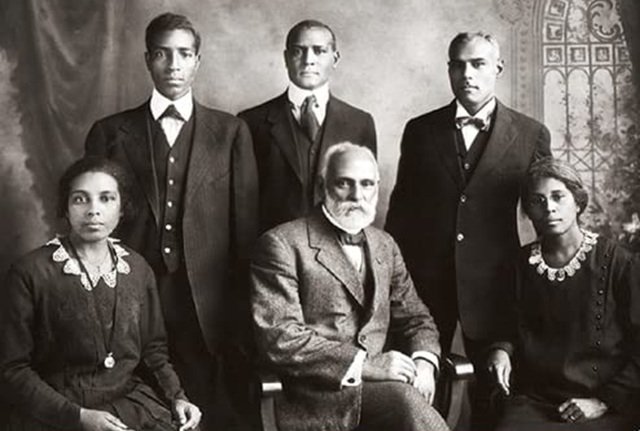
by Eric A family history can begin with a birth certificate, a grave, a photograph or a name. Edward Ball begins somewhere more difficult: with a sexual encounter whose moral meaning cannot
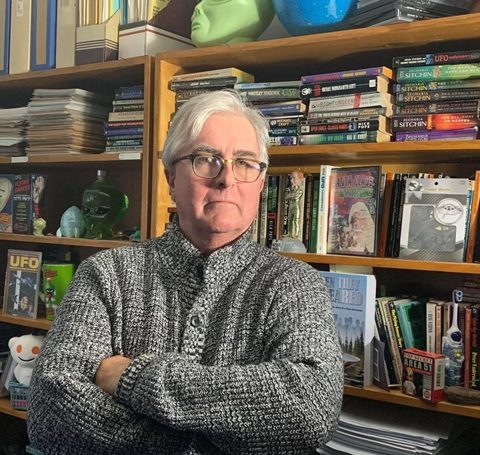
by Eric Chris A. Rutkowski’s Canada’s UFO Secrets: Disclosing Government Files on What Is Happening in Our Skies is most interesting when it stops behaving like a UFO book. Its real subject is not whether extraterrestrials are visiting Earth, but
by Nil Rory Cormac’s Fakers is not merely a history of British covert propaganda. It is an anatomy of a state learning to weaponise
by Durga Mahvash Sabet’s Open Wide the Doors: A Memoir of Faith, Hope and Freedom in Iran is ostensibly a prison memoir, but its

Nicolas Sarkozy, the former president of France, has published a 216-page memoir, Le journal d’un prisonnier (The Diary of a Prisoner), detailing his three-week incarceration in La Santé prison following his October
More
With more than 550,000 dams in the United States, free-flowing rivers are an endangered species. We’ve dammed, diked, and diverted almost every major river in the country, straightening curves, pinching off floodplains, and blocking
More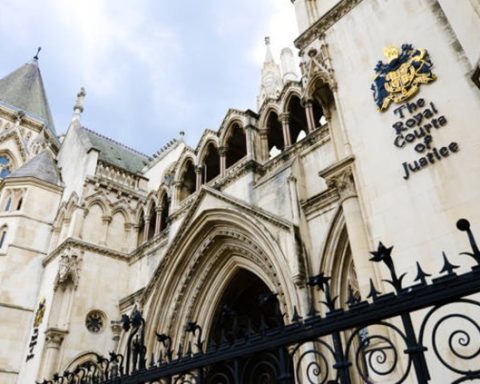
Lady Brenda Hale’s With the Law on Our Side arrives at a moment when public confidence in democratic institutions is increasingly fragile and governments across liberal democracies are testing the limits of
More
by Durga Andrea Iorio’s Between You and AI reads like a manifesto for a new kind of leadership—one that refuses to cling to the comforting illusion that technological transformation is something external,
More
by Eric To read How to Be Grateful: An Aztec Guide to the Art of Gratitude is to encounter gratitude not as a soft moral sentiment but as a cultural force powerful
More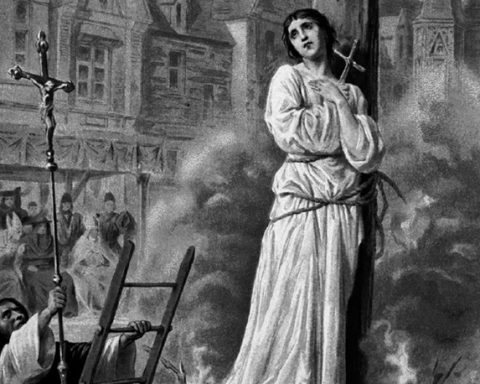
Elizabeth A. Quillen’s Medieval Nuns at War distinguishes itself through a deliberate attempt to redress what the author calls the “frequent erasure” of women whose lives surface only in “a singular mention,
More
by Luxman Tracy Borman’s The Stolen Crown is less a straightforward history than a psychological excavation of ambition, insecurity, and legitimacy in Tudor England. Borman, long celebrated for her archival precision and
More
by Durga Charles Ferguson’s Presidential Seclusion presents itself as a history of Camp David, but in truth it is a far more unsettling mirror held up to American power itself—its contradictions, its
More
by Eric Lauren Johnson’s Margaret Beaufort is both a resurrection and a reckoning. It is a book that dares to reclaim one of English history’s most polarising matriarchs—“the mother of the king’s
More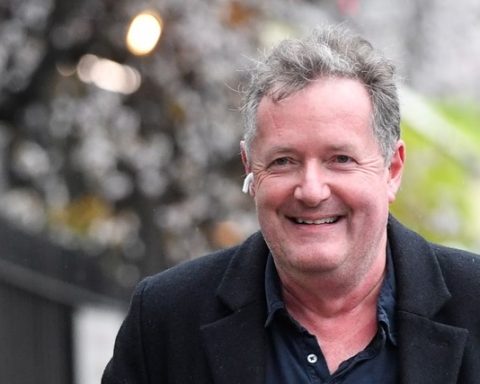
by Eric Piers Morgan’s Woke Is Dead reads like an obituary written by the accused at the funeral. It is brash, polemical, and intentionally blasphemous against the new secular religion of progressive
More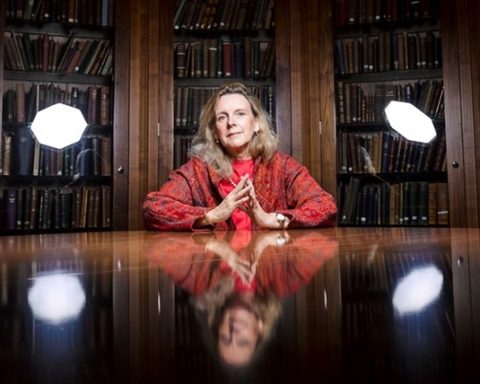
by Durga Dr Gwen Adshead’s Four Questions About Violence is one of those deceptively calm titles that conceals a detonator. It’s a book written by a forensic psychiatrist who has spent decades
More
by Eric Göran Rosenberg’s Israel: A Personal History is a reckoning disguised as reminiscence, a confession of belief betrayed by history and ideology. In revisiting his formative years in the fledgling State
More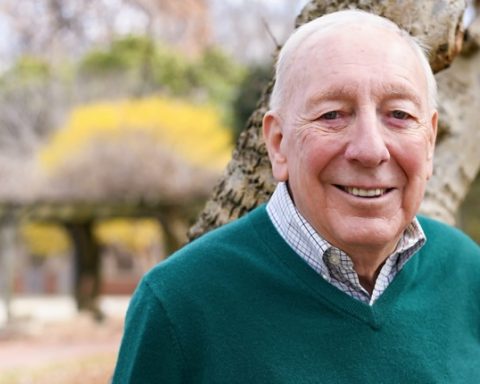
by Durga Dennis R. Dalton’s Unit 33 reads like a moral experiment conducted under the cover of a thriller. The book’s sleek façade—its crime scenes, its corporate espionage, its terse dialogue—conceals a
More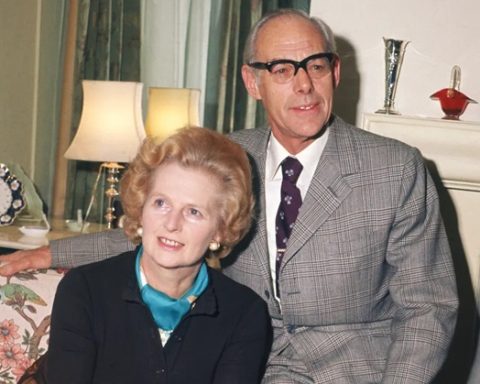
The revelations come from Tina Gaudoin’s book, The Incidental Feminist, which was discussed at the Cheltenham Literature Festival this week. Gaudoin claims that Thatcher engaged in an affair early in her career
More
by Nil Julian Richards’ Pakistan’s ISI: A Concise History of the Inter-Services Intelligence Directorate stands as an incisive, unflinching inquiry into one of the world’s most enigmatic and polarising intelligence services. Written
More