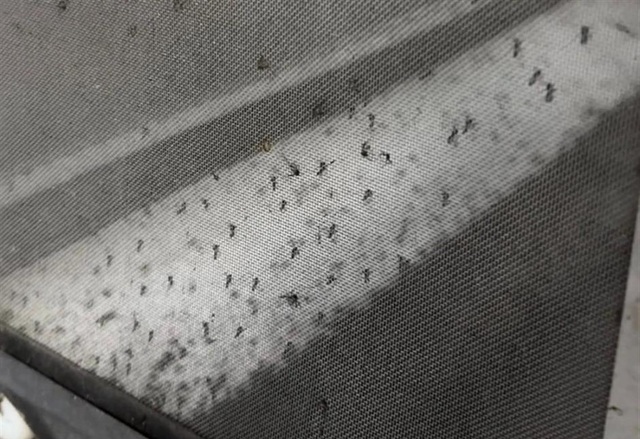
Guangzhou, the capital of south China’s Guangdong Province, is ramping up its fight against Chikungunya fever with an innovative biotechnology approach — breeding millions of sterile male mosquitoes to curb the virus’s spread, China Central Television (CCTV) reported Tuesday.
In the city’s Huangpu District, a high-tech “mosquito factory” is producing around five million sterile males each week. These specially bred insects carry Wolbachia, a naturally occurring bacterium that renders them incapable of producing viable offspring when they mate with wild females. Over time, this suppresses the population of Aedes albopictus — the Asian tiger mosquito — the main vector of the Chikungunya virus.
Researchers say the technique is both precise and eco-friendly, targeting only the disease-carrying mosquitoes while leaving other insects and natural predators unharmed. “Within three weeks, mosquito numbers can be halved, and in six to eight weeks, wild mosquito density can drop by over 80%,” according to the project’s scientists.
To prepare the insects for release, the lab uses automated sex-sorting devices to separate males from females, maintains them with sugar water, and dispenses them in fixed quantities. The sterilized males will be deployed not only in Guangzhou but also in neighboring Foshan, the epicenter of the current outbreak.
Chikungunya fever is an acute viral disease marked by fever, rash, and severe joint pain. The Guangdong outbreak began in early July in Foshan’s Shunde District, spreading rapidly to nearby areas. By mid-to-late July, cases surged sharply.
Health authorities report that the recent surge is showing signs of easing. From July 27 to August 2, the province logged 2,892 local infections — most in Foshan — with no severe or fatal cases. Officials credit intensified mosquito control measures, including the sterile-male release program, for the downward trend.