Guatemalan authorities have dismantled what officials describe as the largest narco-laboratory uncovered in the country in the past 15 years, in a major operation near the border with Mexico that signals an escalation in the regional fight against organized crime. The sprawling criminal compound was discovered in Zanjón San Lorenzo, roughly 25 kilometers from the frontier, after military intelligence tracked the movements of an armed criminal cell believed to be involved in large-scale drug production and trafficking.
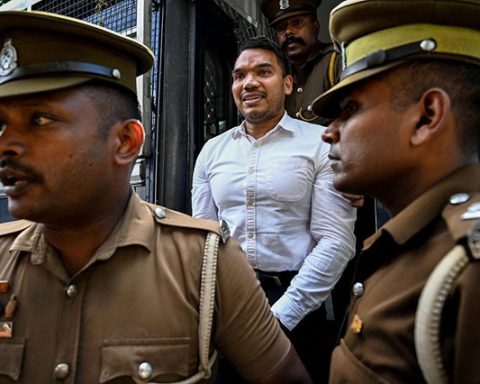
The operation began before dawn on May 26, when soldiers and officers from Guatemala’s National Civil Police stormed a property where armed suspects had been detected. What initially appeared to be a single house quickly evolved into a much larger discovery. Investigators found several interconnected buildings functioning as a sophisticated center for the production, storage, and distribution of narcotics, weapons, and cash. Eight men were arrested during the raid, including two Mexican nationals.
Over the course of 48 hours, security forces seized an extensive arsenal that included 15 assault rifles, three 9mm pistols, more than a thousand rounds of ammunition, dozens of rifle and pistol magazines, radios, mobile phones, USB drives, and identification documents from both Guatemala and Mexico. Authorities also confiscated 22 vehicles, seven motorcycles, three all-terrain vehicles, and three Frisian horses believed to belong to members of the criminal organization.
Investigators uncovered large quantities of cash hidden inside a concealed compartment within the compound. Officials reported the seizure of approximately $136,000 in U.S. currency, along with additional bags containing nearly $27,000 and more than 74,000 Guatemalan quetzales. Security personnel also discovered industrial equipment and chemical supplies used in cocaine processing, including ovens, microwaves, and containers filled with white powder believed to be narcotics awaiting production.
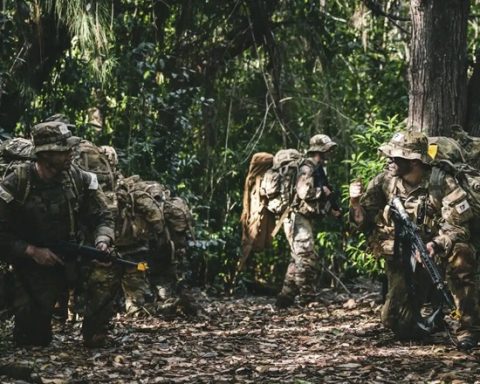
Footage released by the government of President Bernardo Arévalo showed heavily armed soldiers moving through the compound while helicopters circled overhead to secure the perimeter and prevent a possible armed response from outside the property. Videos also captured the detained suspects appearing disoriented and dressed in casual clothing, suggesting they had been surprised during the overnight raid.
Guatemala’s Public Ministry confirmed that the criminal network maintained operational links with Mexico, using routes through the state of Chiapas to move drugs deeper into Mexican territory while also coordinating distribution across Central America. Authorities stated that investigations are ongoing to determine the full extent of the organization’s transnational connections and identify additional members involved in the trafficking network.
The discovery comes amid increasing pressure from the United States on Central American governments and Mexico to intensify efforts against organized crime groups operating throughout the region. Drug trafficking activity has surged in key maritime and border corridors during 2026, particularly around Puerto San José, Puerto Quetzal, and Puerto Chiapas, all considered strategic routes for narcotics smuggling.
The border community of San Lorenzo has long been regarded as vulnerable to criminal infiltration because of its porous geography and direct links to neighboring Mexican communities. Local residents say drug trafficking and migrant smuggling activities have expanded steadily in recent years, turning the area into a stronghold for organized crime. Earlier this year, three men — including a Mexican citizen from Chiapas — were found tortured and executed near the same region, further highlighting the growing violence tied to cross-border criminal operations.
Following the raid, Guatemala’s military reinforced security along the border with Chiapas, deploying armored vehicles, heavily armed troops, and additional patrols throughout the area. Prosecutors continue to analyze evidence collected from the site as authorities attempt to determine the full scale of what officials are calling one of the most significant blows against organized crime in recent Guatemalan history.