Editorial
Today is Human Rights Day — at least 48,384 civilians were recorded killed in conflict zones in 2024; 1.1 billion people live in acute multidimensional poverty worldwide, of whom some 455 million dwell in countries beset by violent conflict; over half of the impoverished — around 584 million — are children under 18. These are not tidy abstractions to be commemorated once a year with speeches and hashtags. They are figures that should make any self-respecting polity feel ashamed — yet too often such figures are swallowed into a ritual of hypocrisy in which the rhetoric of rights is traded like a commodity, and the institutions meant to defend the vulnerable have been hollowed out by power and profit.
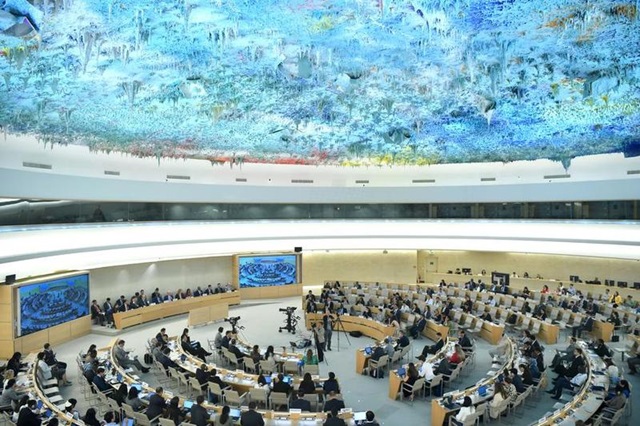
The language of rights today often arrives gilded and corporate, polished for international conferences and donor briefings, but rotten beneath. Powerful states deploy accredited non-governmental organisations to assert moral authority in Geneva chambers while practising brutal suppression at home. Governments that would not tolerate independent criticism domestically cultivate a network of compliant bodies that parade as civil society on the global stage — a theatre of legitimacy that muddles the record and muffles dissent. Investigations in recent years show how state-linked groups obtain consultative status at the United Nations and make a business of obfuscation, using access as a currency to trade influence and blunt scrutiny. This is not the preservation of liberty; it is the conversion of pity into policy-adjacent public relations.
The problem is not merely the presence of bad actors; it is a system that rewards performance over protection. International forums and philanthropic funders often prize metrics, slick reports and presence at panels. An organisation with the right letter-head and a regular seat in committee rooms can attract resources, jobs, media attention and career advancement, regardless of whether it reaches a single displaced family, a single child denied schooling, or a single survivor of torture. Donors seeking measurable impact are tempted by the visible: logos on banners, lists of partner countries, glossy annual reports. The less glamorous work — legal defence, local mobilisation, truth-telling in hostile environments — is underfunded, under-noticed and under-valued. The result is a market in rights, where credibility is a commodity and the needy are customers, not rights-holders.
Equally corrosive is selective indignation. Powerful states habitually weaponise human-rights discourse, pointing fingers at rivals to deflect attention from their own abuses. This performative moralising reduces universal standards to bargaining chips in geopolitical contests: grievances become leverage, not obligations. When military allies commit violations, the language of accountability is softened or silenced; when strategic interests demand it, investigations are delayed or diluted. The grand proclamations on Human Rights Day thus read as theatre when the machinery of enforcement is dormant and when sanctions and inquiries are applied unevenly. The dividends are clear for those who manipulate the system — reputational shields, diplomatic bargaining power and the ability to control narratives.
There is also a predatory underbelly in the so-called civic sector itself. Fraudulent entities, shell NGOs and outfits that exist primarily to channel funds to cronies have been exposed in several jurisdictions. They masquerade as defenders, siphoning donations meant for survivors and service delivery into administrative overheads, consultancy fees and cushioned salaries. Where regulatory oversight is weak, these organisations flourish; where disclosure is opaque, they prosper. Scandals of misallocated aid or falsified project reports do not merely waste money — they corrode public trust and make it harder for legitimate groups to secure resources and protect vulnerable people. A weakened civil society is exactly what autocrats and cynical donors prefer: a chorus of manageable voices rather than a clamour of inconvenient truth.
But the corruption runs deeper still. Beyond governments and NGOs, private and corporate actors — arms manufacturers, defence contractors, private security firms, reconstruction-sector businesses — have a direct financial interest in conflict and instability. Conflict zones become markets. Wars produce demand: for weapons, security services, reconstruction contracts — profitable deals that survive only so long as instability remains. When fighting rages, companies supplying arms or mercenary services cash in. When reconstruction begins, firms offering logistics, building, “stabilisation” or “security-sector reform” win lucrative contracts. The human cost — death, displacement, hunger, deprivation — becomes secondary to contracts and profit margins.
Those who control state power, or who supply war-machines, often have a vested interest in perpetuating conflict or instability — because peace would threaten their revenue, their political influence, and their markets. And NGOs — whether genuinely independent or state-affiliated — become convenient props: moral cover, diplomatic tools, or even vehicles to channel funds into projects that barely reach victims but benefit intermediaries, consultants, elites and corporations.
This is not merely cynical. It has real victims. The poor, the displaced, children denied education or basic services, families shattered by violence: they remain at the mercy of a system that celebrates human rights in theory but monetises and polices them in practice. The gap between the language of rights and tangible protection is not accidental; it is engineered.
International law and global conventions — treaties, declarations, humanitarian and human-rights norms — are not enough. Their value is nullified unless enforcement, transparency, accountability and genuine civil-society engagement are ensured. When private interests and state power dominate the narrative, “rights” risk becoming theatre: an acting stage for diplomacy and fundraising, not a shelter for the condemned.
We must confront uncomfortable truths: poverty and conflict today fuel profits for powerful corporations, arms manufacturers and private security firms. NGOs claiming moral high ground profit when instability persists. Peace, welfare, human dignity — these do not pay the same dividends. That is why they are abandoned, neglected or postponed in favour of what pays.
If human rights are to mean anything more than pages of rhetoric, we need fundamental reform. Global bodies should rigorously vet NGO accreditation; donors must insist on transparency, delivery and ground-level impact; governments must be held to account not for public statements, but for substance. Citizens and communities — not corporations — should set the agenda.
The figures above are vivid reminders. The question is whether the global community is ready to continue treating human rights as a polished commodity, exploited and hollowed out — or demand that they serve as real guarantees for those who suffer, most invisibly, in the ruins of conflict, poverty and neglect.