Editorial
Is Bibi going to lose miserably? It is too early to predict, but something unusual is happening in Israel. Voters are turning out in numbers not seen for decades, making this election a potentially decisive test of Benjamin Netanyahu’s political survival. According to Israel’s Central Elections Committee, turnout reached 31.5 per cent by noon on Tuesday, 27 October, the highest at that hour since 1973. In the 2022 election, turnout at the same time stood at 28.4 per cent. The figures indicate an unusually strong early response, but they do not reveal which political camp is benefiting most.
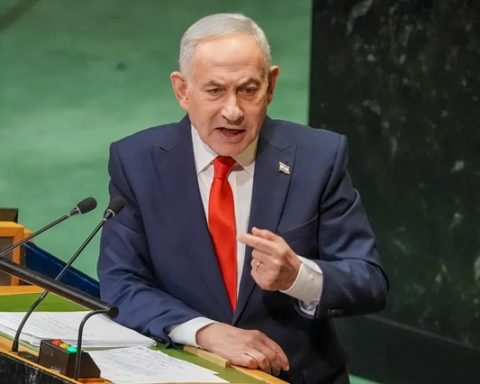
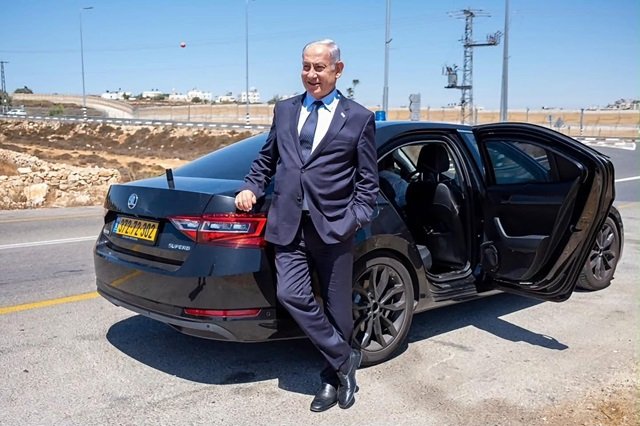
For Netanyahu, who has dominated Israeli politics for years, the election is about more than retaining the premiership. It is a judgement on his government’s security record, its handling of the war in Gaza, its relations with the United States and its approach to Israel’s increasingly divisive domestic politics. His opponents have sought to make accountability a central issue, particularly following the Hamas-led attacks of 7 October 2023, which exposed major failures in Israel’s security arrangements. Netanyahu’s supporters, meanwhile, argue that his experience and security policies make him better equipped to confront the threats facing the country.
The surge in participation has also drawn attention to Arab Israeli voters, whose turnout could influence the distribution of seats in the Knesset. Netanyahu has responded with an urgent appeal to right-wing supporters, warning on X that higher participation among Arab citizens, combined with lower turnout among right-wing voters, could threaten his political camp. He declared that “the future of our Jewish state is at stake” and called on Likud supporters to vote. Such language reveals the importance his campaign attaches to turnout among different sections of the electorate. It also places Arab citizens’ participation at the centre of a contest in which every parliamentary seat could matter.
Reports of alleged voting irregularities and missing ballot slips at polling stations have added another point of contention. These claims require careful scrutiny, and reports of problems should not be confused with verified evidence of organised electoral fraud. Netanyahu’s warning about Arab turnout is also not evidence that votes are being manipulated. The distinction matters: allegations, political rhetoric and documented violations are different things, and the credibility of any claim depends on the available evidence.
The election’s wider significance lies in the political consequences of a possible change of government. Netanyahu has repeatedly survived crises that appeared likely to end his career. His supporters point to his long experience in office and diplomatic achievements, including the Abraham Accords, which established relations between Israel and several Arab states in 2020. His critics counter that prolonged rule has concentrated political responsibility in his hands and that the failures surrounding 7 October, the war’s human costs and disputes over judicial independence demand a different direction.
Yet removing Netanyahu at the ballot box would not automatically produce a stable alternative. Israel’s 120-seat Knesset is elected through proportional representation, and a government needs the support of at least 61 lawmakers. Even if Netanyahu’s Likud party loses ground, he could remain in office if his allies secure enough seats to form a coalition. Conversely, a strong opposition performance would have limited effect unless its parties could agree on a governing arrangement. Disagreements over cooperation with Arab-led parties could complicate that task, even if their support becomes decisive.
The election also takes place amid sustained international scrutiny of Israel’s conduct in Gaza and the occupied West Bank, continuing regional security tensions and domestic disputes over military conscription and the independence of the judiciary. These issues have helped shape the political debate, although voters may weigh them differently according to their security concerns, political loyalties and views of Netanyahu’s record.
The central question, therefore, is not simply whether Netanyahu’s opponents can attract a larger vote. It is whether they can translate that support into a parliamentary majority. The record early turnout suggests that Israelis are treating the election as consequential, while Netanyahu’s appeal to right-wing voters shows that his camp recognises the danger of complacency. Until the final results are announced and coalition negotiations begin, predicting a humiliating defeat would be premature. Bibi may be vulnerable, but in Israeli politics, losing votes and losing power are not necessarily the same thing.