In the third quarter-Q3 of 2025, spanning July to September, Pakistan witnessed a dramatic escalation in insurgent and terrorist violence, marking a significant deterioration in its security landscape. According to a report published on October 1, 2025, by the Center for Research and Security Studies (CRSS) in Islamabad, the country recorded at least 901 fatalities across 329 incidents, reflecting a 46.2 percent surge in violence compared to the 615 fatalities in 273 incidents during the second quarter (April-June) of the same year. This alarming rise underscores the persistent volatility of Pakistan’s frontier regions, particularly Khyber Pakhtunkhwa (KP) and Balochistan, which together accounted for over 96 percent of the nation’s violence during this period.
The geographical concentration of violence remains stark, with KP as the epicenter of unrest. CRSS data indicates that KP alone accounted for approximately 71 percent of total fatalities, with 638 deaths recorded in 221 incidents. Balochistan followed, contributing 25 percent of fatalities, totalling 230 deaths in 85 incidents.
Complementary data from the South Asia Terrorism Portal (SATP) paints a similarly grim picture, reporting 1,045 fatalities in 286 incidents during the third quarter, a 41.02 percent increase from the 741 fatalities in 247 incidents in the second quarter. According to SATP, KP recorded 599 fatalities in 149 incidents (57.32 percent), while Balochistan saw 419 deaths in 120 incidents (40.10 percent), collectively comprising over 97.42 percent of Pakistan’s violence. Notably, SATP data highlights a higher proportion of fatalities in Balochistan, suggesting a growing intensity of conflict in the province.
The third quarter of 2025 was marked by a series of high-profile attacks, including suicide bombings and complex assaults that amplified the lethality of the violence. A devastating suicide blast on September 30, 2025, targeted a paramilitary headquarter in Quetta, Balochistan’s provincial capital, claiming at least 10 lives and injuring over 30 individuals. Earlier, on September 2, an explosive-laden vehicle rammed into the boundary wall of a paramilitary base in Bannu, KP, further illustrating the militants’ shift toward more lethal tactics. These incidents reflect a tactical escalation among militant groups, with increasing reliance on suicide bombers, vehicle-borne explosives, and combined gun-and-bomb assaults, which significantly elevate the lethality per attack.
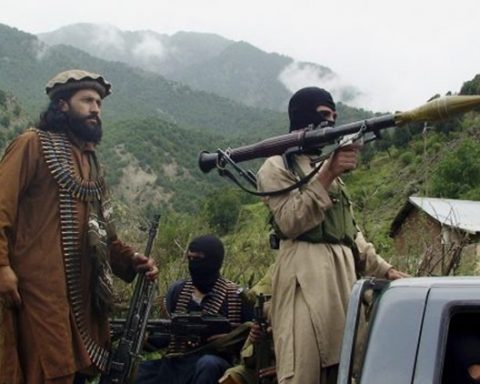
In response, Pakistan’s security forces intensified counter-terrorism operations, particularly along the Afghan border, where militant activity remains deeply entrenched. A series of intelligence-led raids in mid-September 2025 exemplified this approach. On September 11, a raid in Lower Dir targeted a militant hideout, resulting in the deaths of seven soldiers and 10 terrorists. The following day, a second operation in South Waziristan, a long-standing stronghold of the Tehreek-e-Taliban Pakistan (TTP), claimed the lives of 12 soldiers and 13 terrorists. On September 13, a third raid in Bajaur District neutralized 22 terrorists. Military officials described these operations as targeting the Khwarij, a term used by the Pakistani government to denote TTP and its affiliates, underscoring the ideological framing of these counter-terrorism efforts. While these operations aim to dismantle militant networks, they also carry significant risks for civilians caught in the crossfire, contributing to the rising fatality toll.
Several factors converged to exacerbate the violence during this period. The July-September quarter coincided with the monsoon transition and moments of political instability, notably protests orchestrated by the Pakistan Tehreek-e-Insaf (PTI) in August. Such conditions provide fertile ground for terrorists to exploit tactical advantages. Additionally, the clustering of counter-terrorism operations often follows prolonged intelligence build-ups, leading to high-impact engagements when operational readiness aligns with actionable intelligence. This temporal alignment in the third quarter of 2025 amplified both the frequency and severity of terrorist incidents across Pakistan.
The persistent volatility in Pakistan’s northwest and southwest regions -KP and Balochistan – highlights the urgent need for a comprehensive and sustained response. Intelligence-led interventions, targeted security measures, and a multi-pronged strategy addressing militant organizations, their local support systems, and cross-border dynamics, are essential to reversing this trend. Without such an integrated approach, Pakistan risks a further deterioration of its security environment, potentially escalating into a broader regional conflict as cross-border militant activities continue unabated. Q-3, 2025, serves as a stark reminder of the complex and evolving nature of Pakistan’s security challenges, demanding resolute and strategic action to restore stability.