Videos released by Ukraine’s national guard in the Donbas region have provided a stark window into the changing dynamics of the war, as captured Russian soldiers speak openly of their grim missions and the tactics increasingly deployed by Moscow. Filmed against neutral backdrops, their weary faces reflect lives scarred by crime and prison sentences, with many admitting they were recruited from jails and sent forward in suicidal charges. One prisoner described how he and five others were ordered to advance on an unarmoured buggy with no protection, knowing they would almost certainly be cut down. Only two of them survived. Another, a man with 26 years of jail time behind him, said he had been conscripted to avoid further punishment, recounting the suicides of three comrades who had despaired at the hopelessness of their roles.
These testimonies, while grim, illuminate a broader evolution in Russia’s battlefield approach. Far from the crude mass assaults that characterised the early phases of the war, Moscow is now using expendable infantry as bait, forcing Ukraine’s overstretched defenders to reveal their positions. Once a trench line or bunker is exposed, Russian drones and precision glide bombs are brought to bear, often destroying the position within minutes. Western analysts note that this innovation, while cruelly costly in Russian lives, is steadily eroding Ukraine’s defences and threatening to turn localised gains into broader breakthroughs.
The timing of these developments is significant. In the wake of last week’s Alaska summit between Donald Trump and Vladimir Putin, hopes for an immediate ceasefire have faded. Trump, once expected to press for a pause in the fighting, appears instead to have aligned with the Kremlin’s preference for prolonging the war until a more comprehensive agreement can be struck. For President Volodymyr Zelensky and his generals, this means more months of attritional combat with dwindling reserves and fewer reinforcements than their adversaries can muster.
Military experts returning from the front warn that Russian forces are making larger advances than at any time in the past two years, in some areas pushing 10 to 12 kilometres. Around Pokrovsk, a key defensive hub in Donetsk, Ukrainian soldiers now hold lines that are dangerously thin, sometimes with as few as a dozen men spread across a kilometre of open countryside. This low density allows Russian infiltration teams to slip through gaps at night, bypassing strongpoints and setting the stage for bombardment. French analyst Clément Molin has logged more than 1,400 Russian airstrikes in just one month in this sector, evidence of the relentless pressure being applied.
What alarms Ukrainian commanders most is Russia’s growing integration of drone warfare into these operations. Specialist “Rubicon” units, each several hundred strong, have been deployed to coordinate strikes, resupply forward positions, and extend persistent surveillance across key battlefields. Earlier this year, similar tactics choked off Ukraine’s supply routes at Kursk, forcing a retreat. Now, with Pokrovsk and Kostyantynivka under threat, Kyiv fears a repeat. For soldiers manning bunkers or trench lines, even survival is no guarantee of safety, as evacuation routes are increasingly targeted with drones and long-range strikes, leaving the wounded trapped in no man’s land.
This shift is feeding anxiety among Western analysts that the traditional perception of Russian military incompetence is out of date. Rob Lee, a former US Marine now based in Kyiv, warns that if Moscow continues to innovate, it could strip Ukraine of the qualitative edge that has long compensated for Russia’s superior manpower and resources. Indeed, by offering generous cash incentives, the Kremlin is recruiting around 30,000 men a month, compared to Ukraine’s struggle to muster even a third of that figure. Coupled with an accelerated munitions industry now producing hundreds of Shahed drones daily, Moscow’s ability to sustain the war appears increasingly assured.
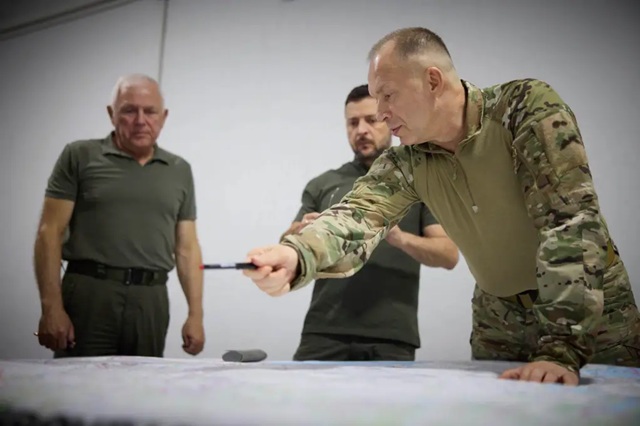
For Zelensky, the political implications are as troubling as the battlefield realities. Domestic criticism over his handling of the war effort, particularly his reliance on General Oleksandr Syrsky, has resurfaced as old divisions in Kyiv re-emerge. European allies may still issue statements of solidarity, but as Russia builds momentum and Washington refrains from pressing Putin for concessions, Ukrainian leaders face the possibility of being forced into negotiations from a position of weakness.
Despite the mounting pressure, Russia’s gains have not yet delivered a decisive breakthrough. The Ukrainian military continues to adapt, often repelling infiltration attempts before they can snowball into larger offensives. Yet the trends are unmistakable: Russia’s combination of manpower, drones, and evolving tactics is creating a slow but steady shift in momentum. For Moscow, which has paid dearly in lives and resources for incremental progress, the gamble appears to be yielding returns. For Kyiv, the prospect of sustaining the war without fresh external support grows more daunting with every passing week.