


Brazilian President Luiz Inacio Lula da Silva and right-wing Senator Flavio Bolsonaro traded accusations of lying and corruption in their first presidential run-off debate on Sunday, exposing the bitter divisions shaping the

Brazilian President Luiz Inacio Lula da Silva and right-wing Senator Flavio Bolsonaro traded accusations of lying and corruption in their first presidential run-off debate on Sunday, exposing the bitter divisions shaping the
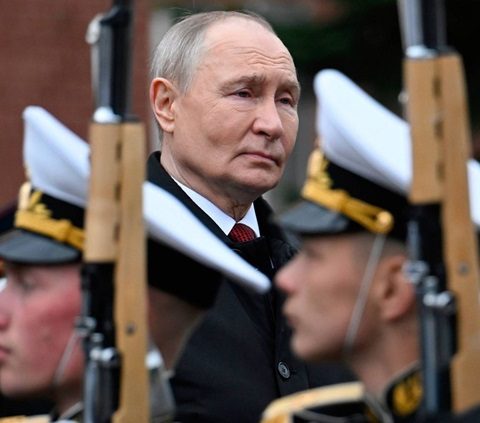
Russian President Vladimir Putin has approved a proposed government reshuffle put forward by Prime Minister Mikhail Mishustin, Russian state news agencies reported on Monday, citing the Kremlin. The personnel changes follow September’s parliamentary election and come as the government faces
Palestinian leaders in Israel are urging Arab citizens to vote in large numbers in the October 27 election, hoping to help unseat Prime Minister
Itamar Ben-Gvir, Israel’s national security minister, danced to nationalist pop music beneath a computer-generated Israeli flag as he addressed a cheering crowd in Tel
The most politically urgent argument in Hannah Arendt’s On Revolution is her diagnosis of a quiet, foundational mistake at the heart of the United States Constitution: the belief that representation — even when supported by an
More
For decades I have been watching American democracy unravel as it became increasingly dysfunctional. US democracy murdered President John F. Kennedy and followed up by murdering his brother, Robert F. Kennedy. Then President
More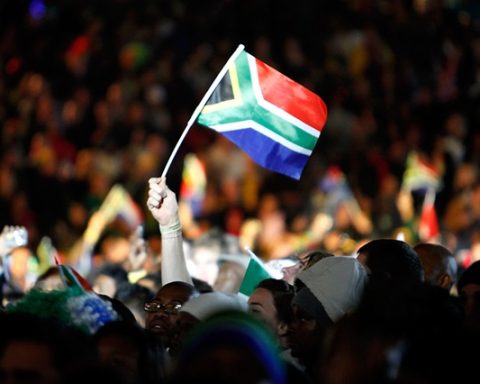
Almost half of South Africans say they would support military rule over their current democratic government, according to new findings that reveal deep disillusionment with the country’s political system. The results, reported
More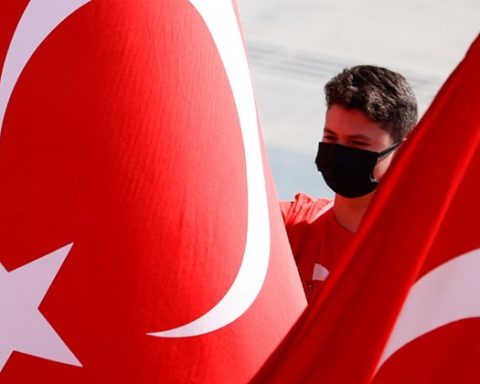
by Our Foreign Affairs Editor The declaration of the Republic of Turkey on 29 October 1923 was far more than a political formality; it was a profound reimagining of a nation emerging
More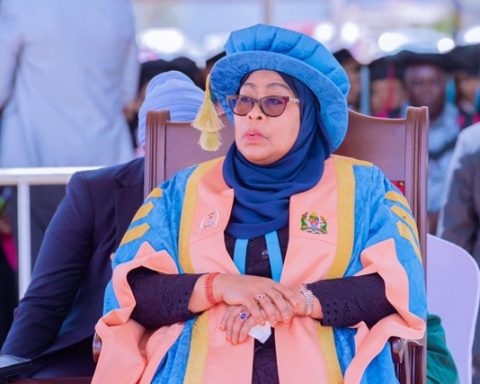
A prominent former insider of Tanzania’s ruling party has vanished from his home this month, leaving only a pool of blood on the doorstep, highlighting mounting concerns over political repression in the
More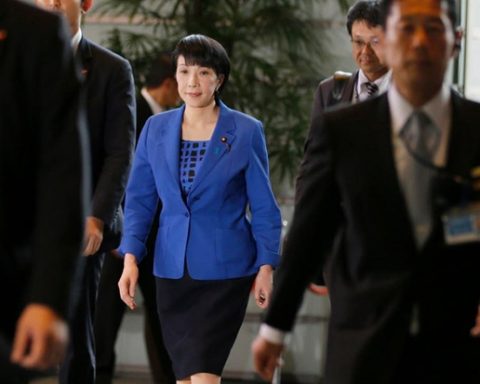
Japan has a new leader—and she is breaking more than just the glass ceiling. Sanae Takaichi, the first woman to assume the office of Prime Minister in Japan, is being hailed by
More
There is an unending debate all over the world about which is the best form of governance. Arguments abound in favor of communism, dictatorship, military rule, feudalism, and democracy. Yet, among thought
More
Martina Moneke explores a novel framework for civic resilience: the “fourth branch” of government, a decentralized network of moral and civic actors who protect the Republic when formal institutions fail. Lower courts,
More
Sri Lanka’s 2024 elections have fast-tracked reforms that began after the country’s 2022 economic crisis, when mass protests forced limits on presidential powers. In 2025, the new government has been pushing further toward a parliamentary system, which was in
More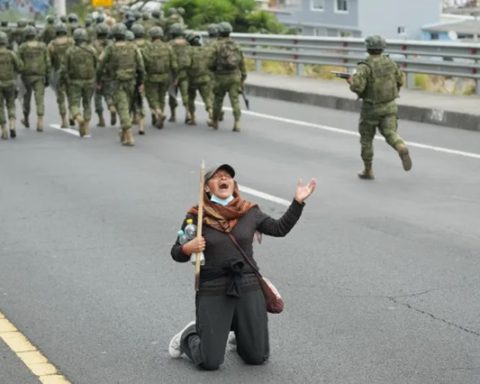
Daniel Noboa’s government in Ecuador is characterized by the implementation of neoliberal austerity policies dictated by the IMF, the violent repression of social protests, and a series of legal reforms aimed at
More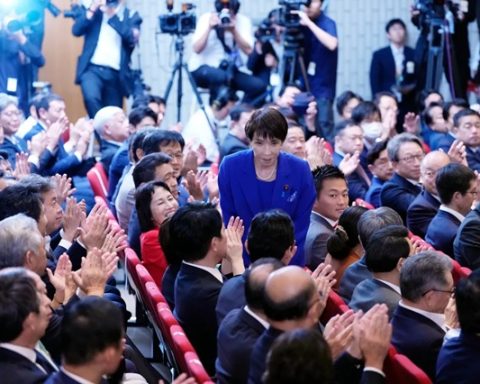
Japan’s historic decision to elevate Sanae Takaichi as the country’s first female prime minister has ignited political shockwaves, with ruling coalition partner Komeito now questioning its future alongside the Liberal Democratic Party
More
Attempts to center birth equity as the foundation of governance, social policy, and advocacy face strong resistance. Funders and institutions often favor population-focused narratives over equity, avoiding campaigns that expose flaws in unsustainable GDP-based growth
More
According to data provided by the Election Commission of India, there are 64 recognised political parties and 2,763 unrecognised political parties in the country. Of these recognised and unrecognised parties, around 95%
More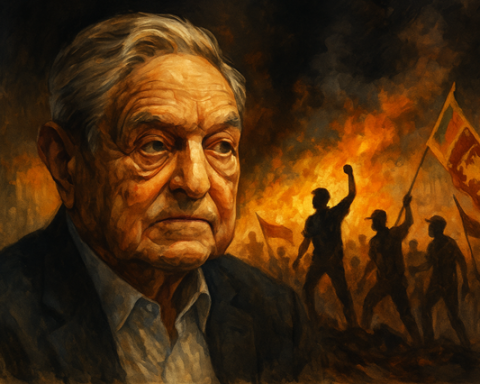
by Durga Velayudham The recent arrival of Binaifer Nowrojee, President of the Open Society Foundations (OSF), in Sri Lanka signals more than just philanthropic outreach; it heralds the beginning of what many
More
The brief freeze and rapid partial reinstatement of National Endowment for Democracy (NED) funding in early 2025 helped expose it as a US regime-change tool. Created to rebrand CIA covert operations as
More