


India’s decision to bring its Constitution into force on 26 January 1950 was not entirely free of controversy. A recently reported 1949 correspondence between Jawaharlal Nehru, then prime minister, and Rajendra Prasad,
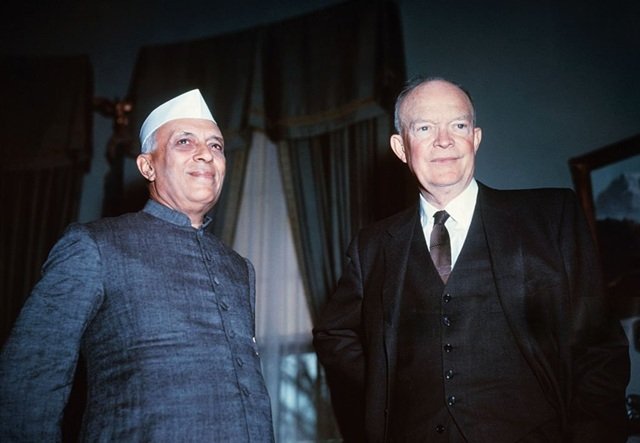
India’s decision to bring its Constitution into force on 26 January 1950 was not entirely free of controversy. A recently reported 1949 correspondence between Jawaharlal Nehru, then prime minister, and Rajendra Prasad,
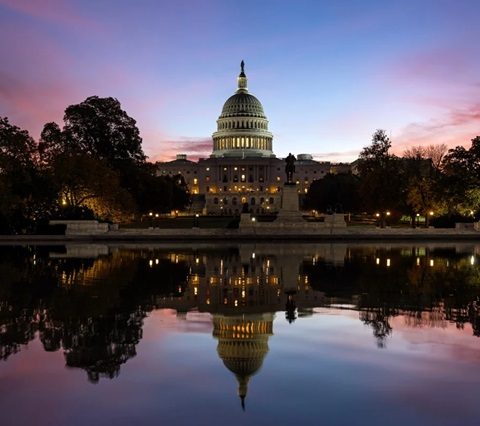
The US Democratic Party has secured its strongest general election performance in the House of Representatives since 1992, winning at least 258 seats and establishing a commanding congressional majority that will give it substantial legislative and oversight powers during the
Across China, one of the world’s largest exercises in direct voting is now under way. Over the course of 2026 and 2027, more than
When Sahida Fakir left her home in Mumbai on July 19 to buy vegetables, she told her younger son she would return within minutes.

In a world marked by geopolitical disorder and growing democratic fatigue, Belarusian Nobel Prize winner Svetlana Alexievich offers a stark and unsettling diagnosis of the present. Speaking from her exile in Berlin,
More
Counting of votes has begun across five key regions in India, marking a pivotal moment in one of the country’s most extensive electoral exercises in recent years. The elections, held across West
More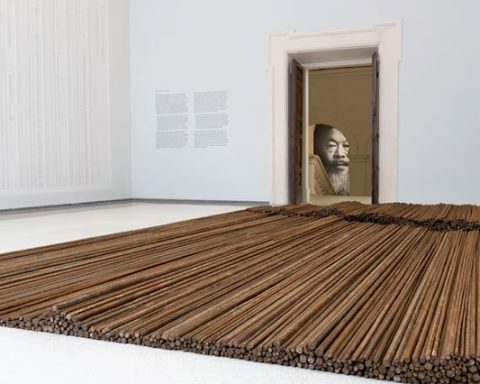
Ai Weiwei has reignited the global debate on artistic freedom after criticising the decision-making practices of major international art institutions, including the Venice Biennale. Speaking during the inauguration of his retrospective Aftershock
More
Adela Cortina, one of Spain’s most influential contemporary thinkers and a key voice in European ethics, has offered a stark yet measured diagnosis of the country’s evolution over the past 50 years.
More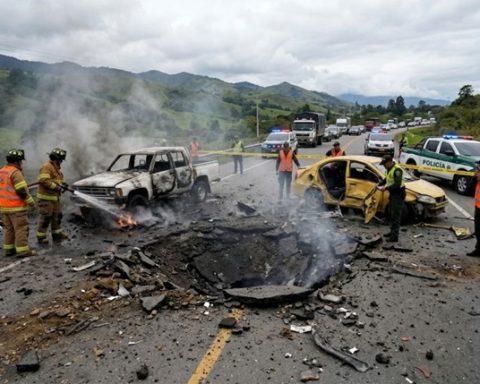
A powerful explosion that tore through a key highway in southwestern Colombia has once again plunged the country into a cycle of violence, raising urgent questions about security, governance and the future
More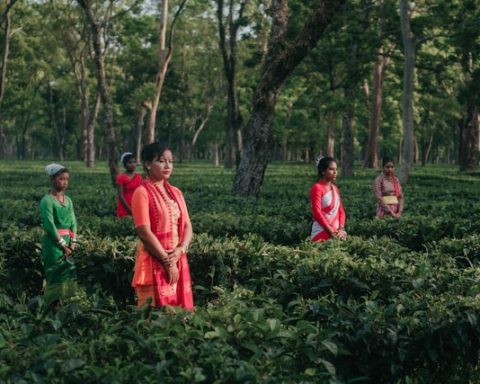
The recent Assembly election in India’s northeastern state of Assam has intensified debates over political polarisation, electoral restructuring, and the shifting behaviour of Muslim voters. According to reporting from Frontline India, a
More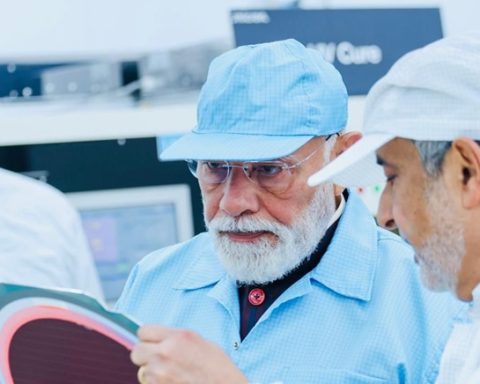
The defeat of the National Democratic Alliance government in the Lok Sabha over the Constitution (131st Amendment) Bill, 2026, has been described as more than a procedural setback. According to a detailed
More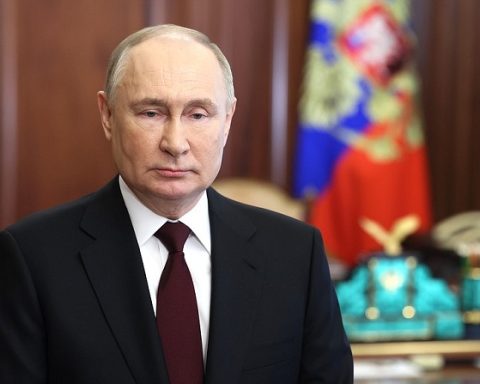
After years of political stagnation, Russia is showing unexpected and uneasy signs of movement. What was once a tightly frozen political landscape under Vladimir Putin is beginning to shift, as economic frustration,
More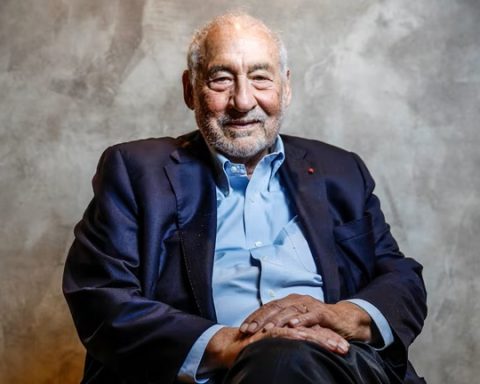
The concentration of wealth in the 21st century has reached levels so extreme that even comparisons to America’s Gilded Age fall short, according to economist Joseph Stiglitz. Speaking in an interview reported
More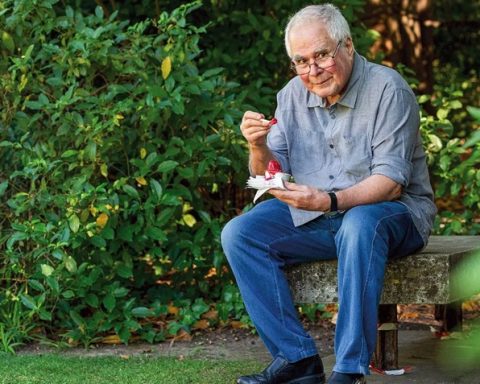
José Gil, one of Portugal’s most influential contemporary philosophers, delivers a blunt warning about the future of democracy: without radical reinvention, societies are drifting toward a new form of authoritarian rule shaped
More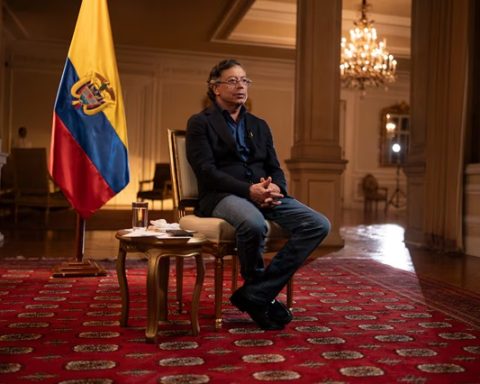
As his presidency enters its final months, Gustavo Petro is no longer tempering his words. Facing the end of his term on August 7, Colombia’s first left wing president in decades has
More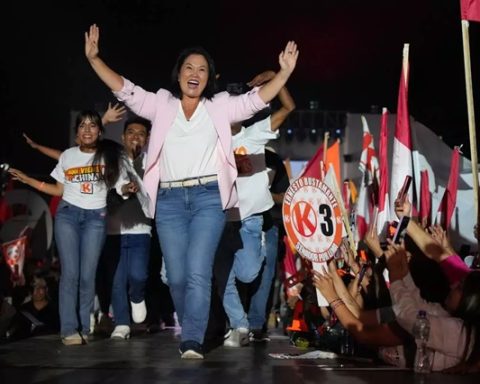
On Sunday, 12 April 2026, Peru held presidential and parliamentary elections for the 2026–2031 term. The deepening political crisis in which Peru has been mired since 2017, the social and economic crisis—recently
More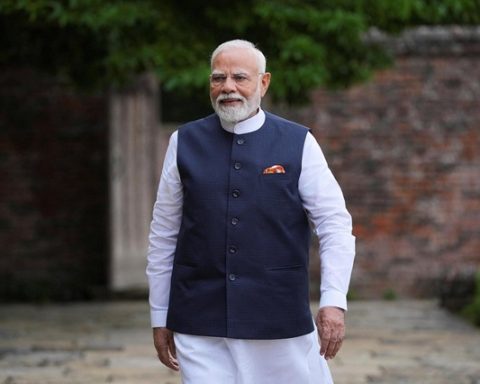
India’s rise on the global stage is no longer debated. Over the past decade, New Delhi has steadily positioned itself as a consequential actor combining economic ambition with expanding strategic reach. Its
More
Political debates about democracy often focus on culture, leadership, or polarization. But history points to a more prosaic—and more powerful—driver of political outcomes: how governments raise revenue. Across thousands of years of
More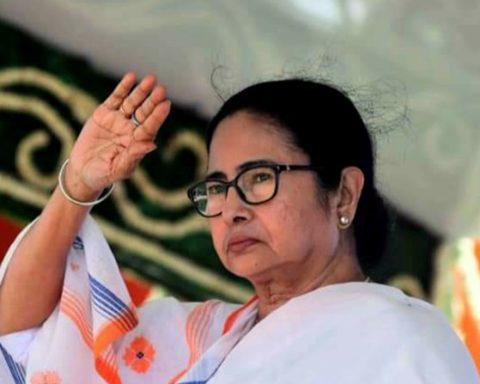
West Bengal Chief Minister Mamata Banerjee has accused the Bharatiya Janata Party of striking a ₹1,000-crore deal to unseat her government, triggering a major political confrontation ahead of the state elections. Her
More