


The internet has fundamentally altered who can participate in democratic public discourse, how political information circulates and who has the power to shape public opinion. Yet the legal principles governing democratic communication
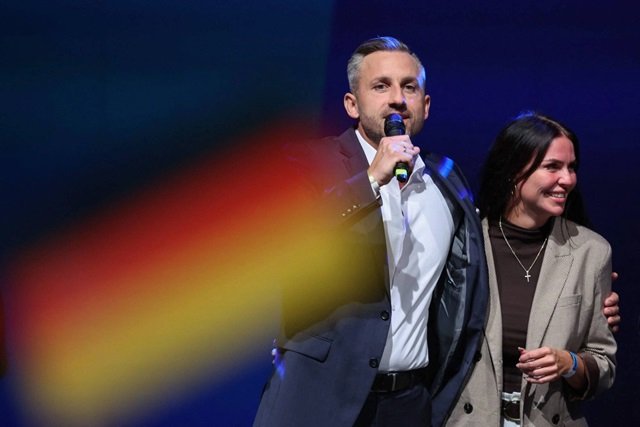
The internet has fundamentally altered who can participate in democratic public discourse, how political information circulates and who has the power to shape public opinion. Yet the legal principles governing democratic communication

Western democracy is losing public confidence as voters increasingly doubt whether political institutions can deliver economic security, meaningful representation and responsive government, according to a recent editorial published by China’s Global Times. The newspaper argues that dissatisfaction across Europe and
A couple of weeks ago, I left my car in the hands of an Arab mechanic. He repaired what the garage described as potentially
India’s opposition alliance is preparing to stage a major demonstration in New Delhi on Sunday, bringing together political parties and a youth-led protest movement
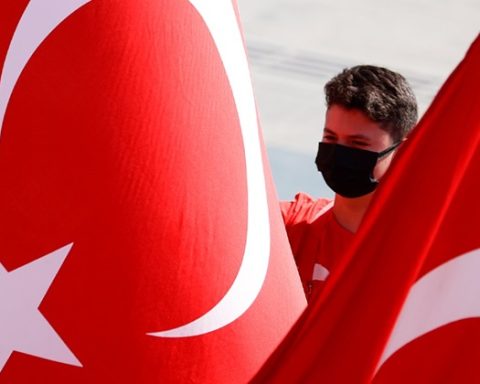
by Our Foreign Affairs Editor The declaration of the Republic of Turkey on 29 October 1923 was far more than a political formality; it was a profound reimagining of a nation emerging
More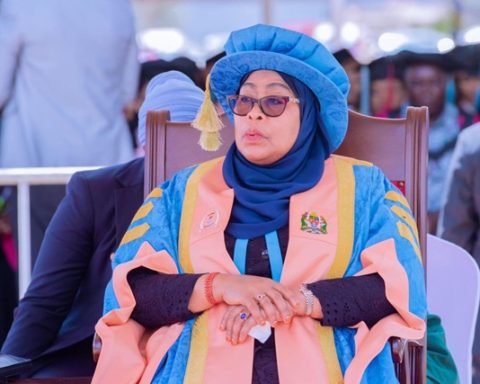
A prominent former insider of Tanzania’s ruling party has vanished from his home this month, leaving only a pool of blood on the doorstep, highlighting mounting concerns over political repression in the
More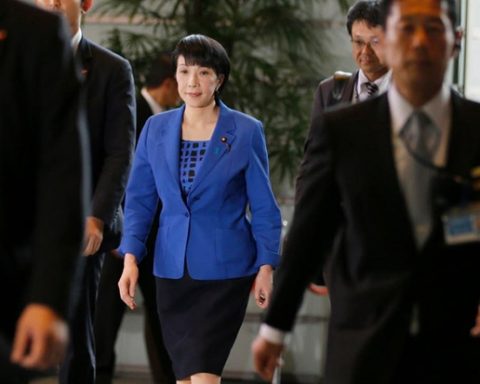
Japan has a new leader—and she is breaking more than just the glass ceiling. Sanae Takaichi, the first woman to assume the office of Prime Minister in Japan, is being hailed by
More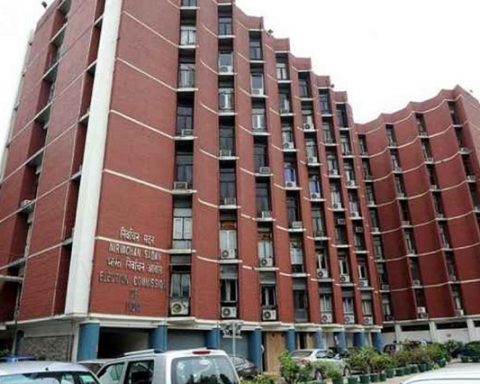
There is an unending debate all over the world about which is the best form of governance. Arguments abound in favor of communism, dictatorship, military rule, feudalism, and democracy. Yet, among thought
More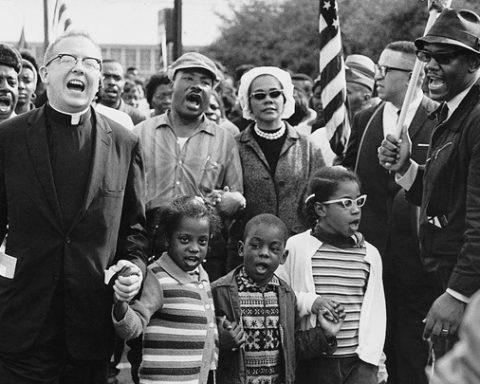
Martina Moneke explores a novel framework for civic resilience: the “fourth branch” of government, a decentralized network of moral and civic actors who protect the Republic when formal institutions fail. Lower courts,
More
Sri Lanka’s 2024 elections have fast-tracked reforms that began after the country’s 2022 economic crisis, when mass protests forced limits on presidential powers. In 2025, the new government has been pushing further toward a parliamentary system, which was in
More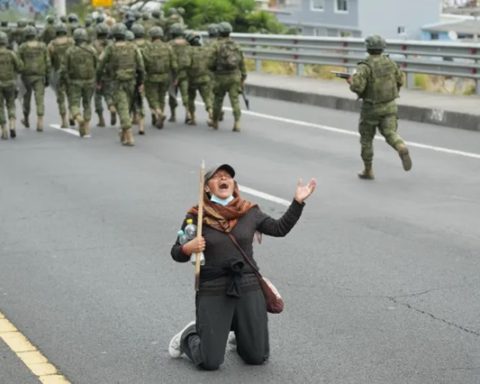
Daniel Noboa’s government in Ecuador is characterized by the implementation of neoliberal austerity policies dictated by the IMF, the violent repression of social protests, and a series of legal reforms aimed at
More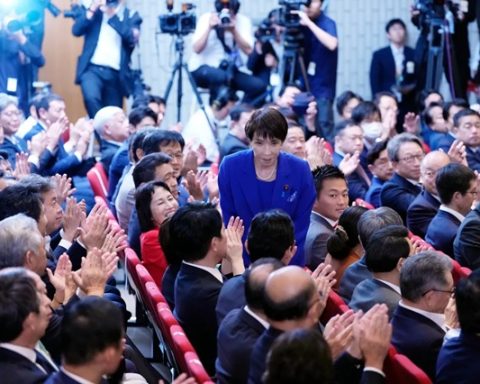
Japan’s historic decision to elevate Sanae Takaichi as the country’s first female prime minister has ignited political shockwaves, with ruling coalition partner Komeito now questioning its future alongside the Liberal Democratic Party
More
Attempts to center birth equity as the foundation of governance, social policy, and advocacy face strong resistance. Funders and institutions often favor population-focused narratives over equity, avoiding campaigns that expose flaws in unsustainable GDP-based growth
More
According to data provided by the Election Commission of India, there are 64 recognised political parties and 2,763 unrecognised political parties in the country. Of these recognised and unrecognised parties, around 95%
More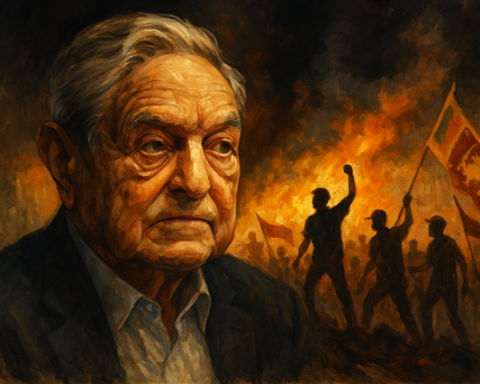
by Durga Velayudham The recent arrival of Binaifer Nowrojee, President of the Open Society Foundations (OSF), in Sri Lanka signals more than just philanthropic outreach; it heralds the beginning of what many
More
The brief freeze and rapid partial reinstatement of National Endowment for Democracy (NED) funding in early 2025 helped expose it as a US regime-change tool. Created to rebrand CIA covert operations as
More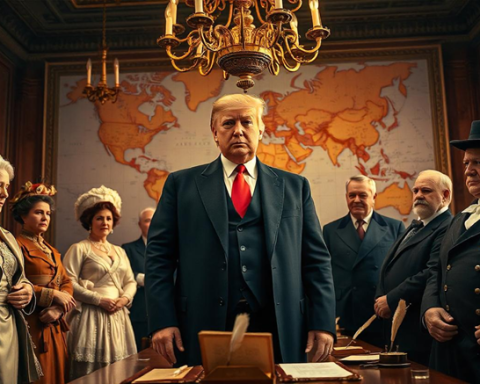
Historically, US Presidential elections have had low voter turn outs, generally around 60%. On the average, Presidents winning elections have received around 48 -50 % of that vote, effectively, around 30-35% of
More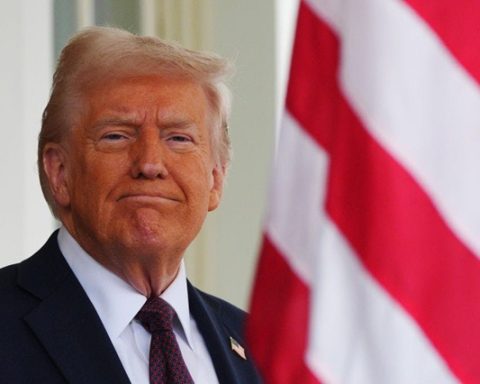
Prior to the 2024 election, there was a debate about whether Donald Trump was a fascist. I thought that was the wrong moniker because fascism has specific associations with genocide and totalitarian
More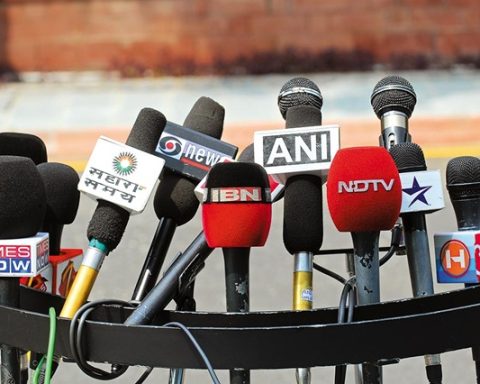
A handful of influential business tycoons continue to shape the information narrative in India—a country celebrated as the world’s largest democracy yet increasingly marred by concentrated media control. These magnates not only
More