


Brazilian President Luiz Inacio Lula da Silva and right-wing Senator Flavio Bolsonaro traded accusations of lying and corruption in their first presidential run-off debate on Sunday, exposing the bitter divisions shaping the
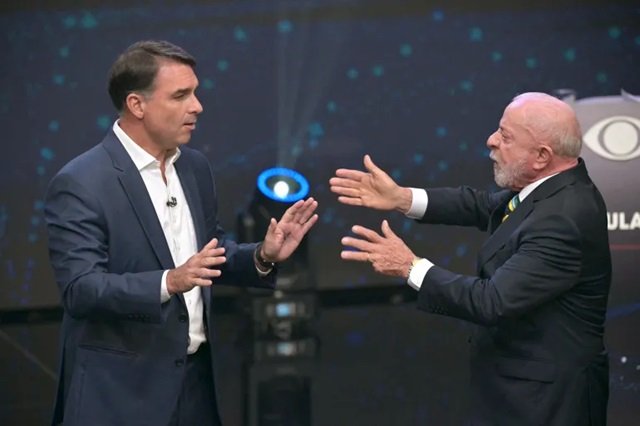
Brazilian President Luiz Inacio Lula da Silva and right-wing Senator Flavio Bolsonaro traded accusations of lying and corruption in their first presidential run-off debate on Sunday, exposing the bitter divisions shaping the
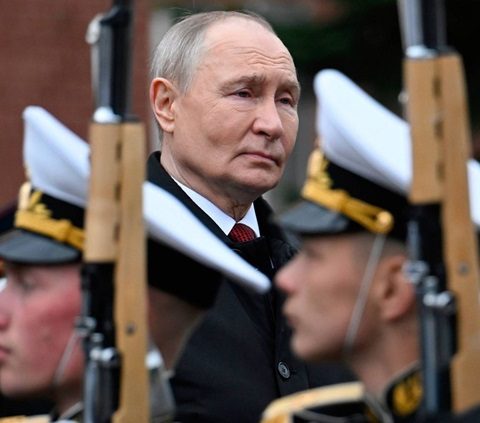
Russian President Vladimir Putin has approved a proposed government reshuffle put forward by Prime Minister Mikhail Mishustin, Russian state news agencies reported on Monday, citing the Kremlin. The personnel changes follow September’s parliamentary election and come as the government faces
Palestinian leaders in Israel are urging Arab citizens to vote in large numbers in the October 27 election, hoping to help unseat Prime Minister
Itamar Ben-Gvir, Israel’s national security minister, danced to nationalist pop music beneath a computer-generated Israeli flag as he addressed a cheering crowd in Tel
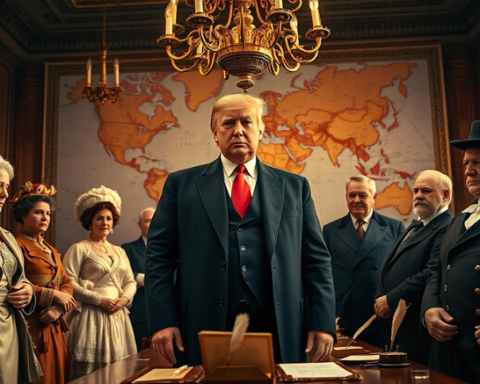
Historically, US Presidential elections have had low voter turn outs, generally around 60%. On the average, Presidents winning elections have received around 48 -50 % of that vote, effectively, around 30-35% of
More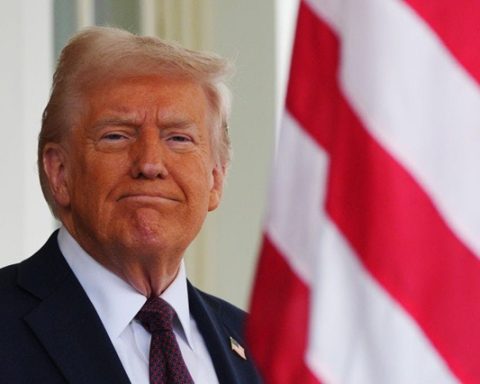
Prior to the 2024 election, there was a debate about whether Donald Trump was a fascist. I thought that was the wrong moniker because fascism has specific associations with genocide and totalitarian
More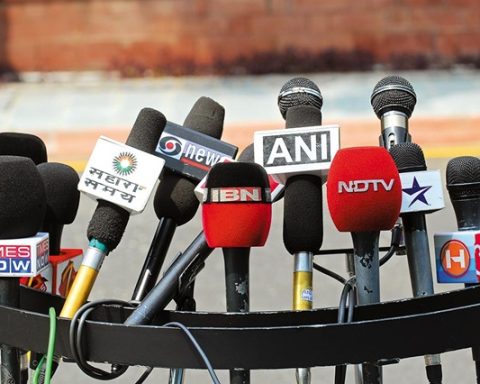
A handful of influential business tycoons continue to shape the information narrative in India—a country celebrated as the world’s largest democracy yet increasingly marred by concentrated media control. These magnates not only
More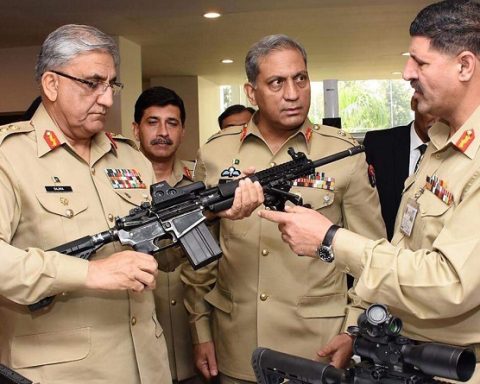
The Financial Times (FT) has reported on the growing role of Pakistan’s military in shaping the country’s economy, raising concerns among investors and political analysts alike. The military’s increasing involvement spans from
More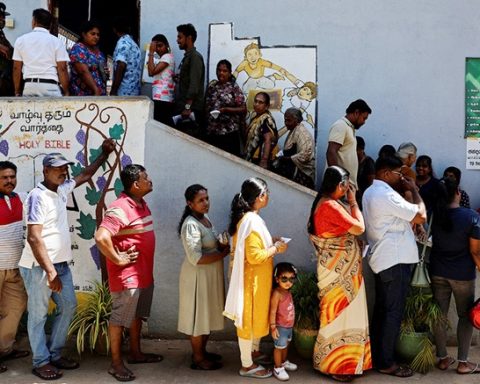
Last year, Sri Lankans participated in both Presidential and Parliamentary elections. In 2025, the country is likely to face two more elections: Local Government and Provincial Government elections. However, a significant portion
More
In a year marked by a staggering 1.5 billion votes cast across 73 countries, 2024 was heralded as the “Year of Democracy.” However, the results reveal a seismic shift in the global
More
Editorial In the crumbling edifice of the country’s democracy, we witness yet another sordid chapter: a rejected politician, Lakshman Kiriella, attempting to slither back into Parliament through the manipulative invocation of religious
More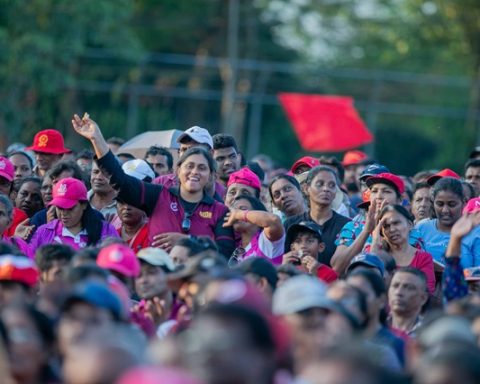
by Luxman Arvind Let us speak candidly, without the veil of superficial praise. While we must extend our congratulations to President Dissanayake and his colleagues, recognising the undeniable achievement of their victory,
More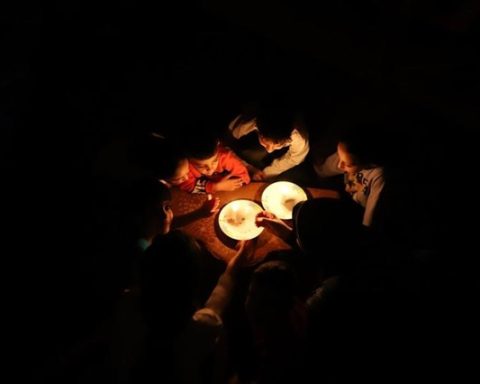
Writer and activist Arundhati Roy has been awarded the PEN Pinter Prize 2024. This is an annual award set up by English PEN in the memory of playwright Harold Pinter. Shortly after
More
The Election Commission continues to rock. This week, it halted, for the duration of parliamentary polls, an order by President Anura Kumara Dissanayake to increase fertiliser and fuel subsidies to farmers and
More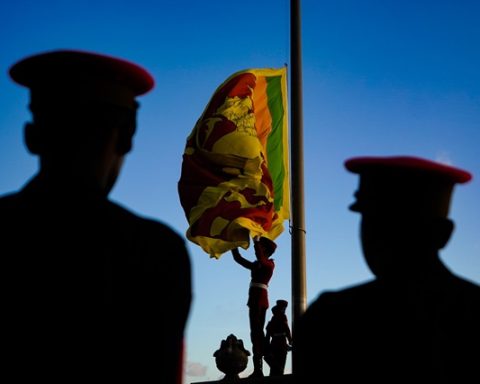
Editorial Polling stations have opened, and around 8,000 election monitors are on high alert as voters queue to cast their ballots in this crucial ninth presidential election. With approximately 17 million citizens
More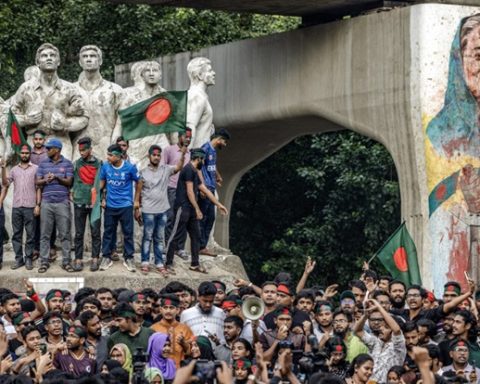
As citizens, everyone should enjoy equal rights, ensuring equal treatment. Unfortunately, the people of Bangladesh have not received equal treatment from international human rights organizations. Democracy, freedom of speech, and human rights
More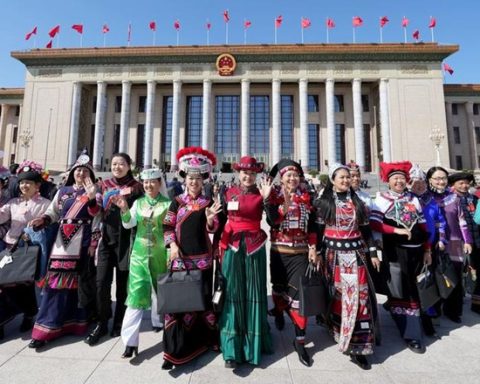
Zhou Hongyu, who had served as a national lawmaker for 20 years, saw many of his 200-plus proposals adopted and implemented. Among these proposals was free compulsory education in all urban and
More
Editorial Note: This editorial has been amended to include the correction. The article incorrectly attributed a statement to Mr Renuke Wijewardana, Chief Regulatory Officer of the Colombo Stock Exchange. As clarified by
More
The actual cause of the climate crisis is the anthropogenic emission of greenhouse gases into the atmosphere since the start of the industrial revolution. But the proximate cause—the underlying activity that sparked the climate crisis and
More