


India’s decision to bring its Constitution into force on 26 January 1950 was not entirely free of controversy. A recently reported 1949 correspondence between Jawaharlal Nehru, then prime minister, and Rajendra Prasad,
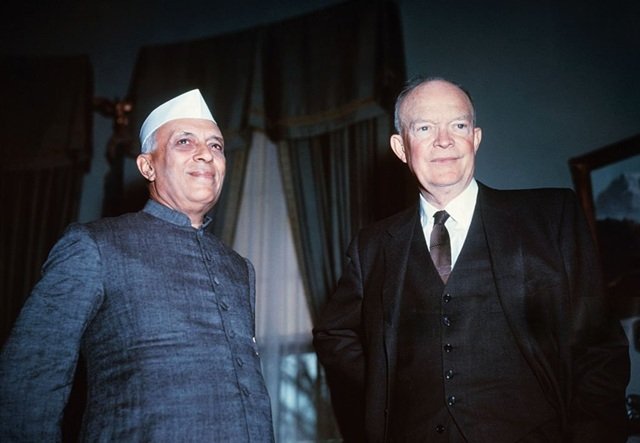
India’s decision to bring its Constitution into force on 26 January 1950 was not entirely free of controversy. A recently reported 1949 correspondence between Jawaharlal Nehru, then prime minister, and Rajendra Prasad,
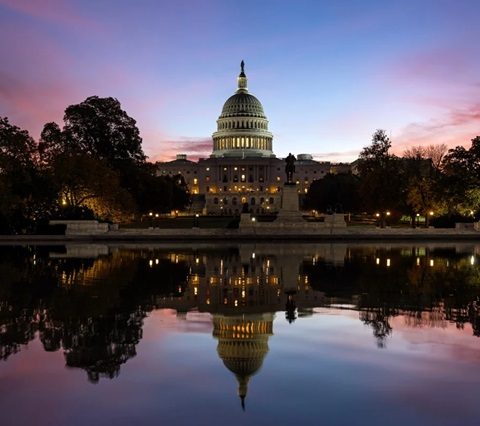
The US Democratic Party has secured its strongest general election performance in the House of Representatives since 1992, winning at least 258 seats and establishing a commanding congressional majority that will give it substantial legislative and oversight powers during the
Across China, one of the world’s largest exercises in direct voting is now under way. Over the course of 2026 and 2027, more than
When Sahida Fakir left her home in Mumbai on July 19 to buy vegetables, she told her younger son she would return within minutes.
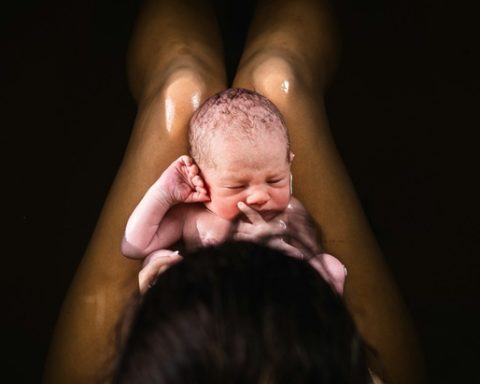
Attempts to center birth equity as the foundation of governance, social policy, and advocacy face strong resistance. Funders and institutions often favor population-focused narratives over equity, avoiding campaigns that expose flaws in unsustainable GDP-based growth
More
According to data provided by the Election Commission of India, there are 64 recognised political parties and 2,763 unrecognised political parties in the country. Of these recognised and unrecognised parties, around 95%
More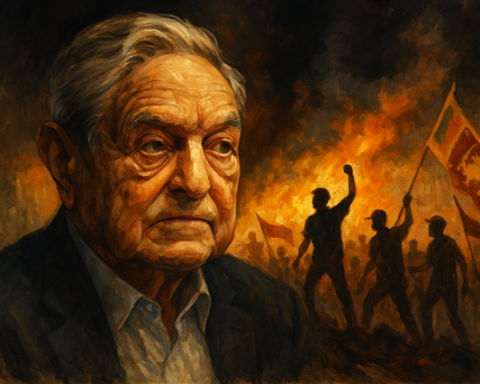
by Durga Velayudham The recent arrival of Binaifer Nowrojee, President of the Open Society Foundations (OSF), in Sri Lanka signals more than just philanthropic outreach; it heralds the beginning of what many
More
The brief freeze and rapid partial reinstatement of National Endowment for Democracy (NED) funding in early 2025 helped expose it as a US regime-change tool. Created to rebrand CIA covert operations as
More
Historically, US Presidential elections have had low voter turn outs, generally around 60%. On the average, Presidents winning elections have received around 48 -50 % of that vote, effectively, around 30-35% of
More
Prior to the 2024 election, there was a debate about whether Donald Trump was a fascist. I thought that was the wrong moniker because fascism has specific associations with genocide and totalitarian
More
A handful of influential business tycoons continue to shape the information narrative in India—a country celebrated as the world’s largest democracy yet increasingly marred by concentrated media control. These magnates not only
More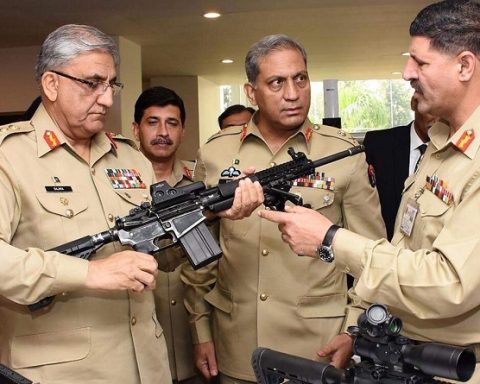
The Financial Times (FT) has reported on the growing role of Pakistan’s military in shaping the country’s economy, raising concerns among investors and political analysts alike. The military’s increasing involvement spans from
More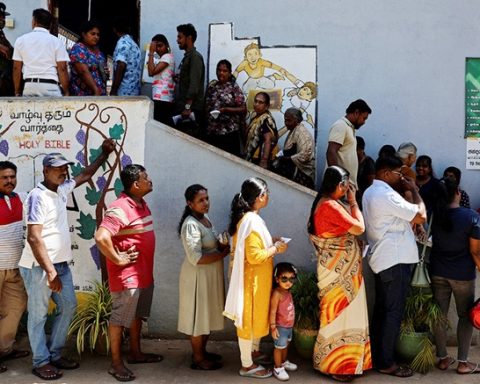
Last year, Sri Lankans participated in both Presidential and Parliamentary elections. In 2025, the country is likely to face two more elections: Local Government and Provincial Government elections. However, a significant portion
More
In a year marked by a staggering 1.5 billion votes cast across 73 countries, 2024 was heralded as the “Year of Democracy.” However, the results reveal a seismic shift in the global
More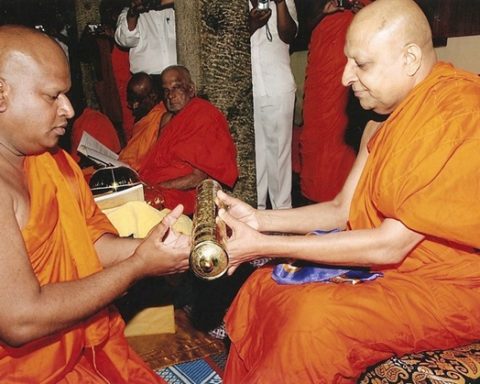
Editorial In the crumbling edifice of the country’s democracy, we witness yet another sordid chapter: a rejected politician, Lakshman Kiriella, attempting to slither back into Parliament through the manipulative invocation of religious
More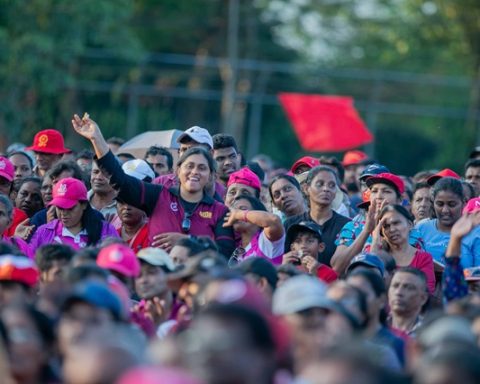
by Luxman Arvind Let us speak candidly, without the veil of superficial praise. While we must extend our congratulations to President Dissanayake and his colleagues, recognising the undeniable achievement of their victory,
More
Writer and activist Arundhati Roy has been awarded the PEN Pinter Prize 2024. This is an annual award set up by English PEN in the memory of playwright Harold Pinter. Shortly after
More
The Election Commission continues to rock. This week, it halted, for the duration of parliamentary polls, an order by President Anura Kumara Dissanayake to increase fertiliser and fuel subsidies to farmers and
More
Editorial Polling stations have opened, and around 8,000 election monitors are on high alert as voters queue to cast their ballots in this crucial ninth presidential election. With approximately 17 million citizens
More