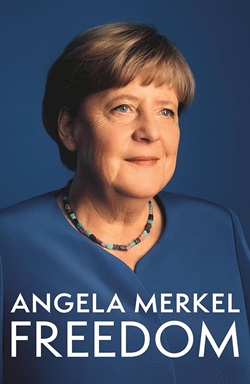
Angela Merkel’s memoir, Freedom, offers a reflective glimpse into the life and decisions of one of the most influential leaders of the 21st century. True to Merkel’s cautious and discreet style, the book is not an exposé, nor does it indulge in vengeance or gossip. Instead, it provides a carefully curated narrative that reveals her thought processes during critical moments in her career while sidestepping some of the more dramatic anecdotes that have surrounded her time in office.
Merkel’s early life in communist East Germany is a central theme, and she insists that her upbringing shaped her into a fervent believer in liberal democracy, rejecting accusations that it left her with authoritarian tendencies. Her experience under the repressive East German regime fostered an almost visceral attachment to the ideals of freedom and the Western model of governance. Yet her path to prominence was not without its challenges. The sexism she encountered in the male-dominated world of German politics left a lasting mark. Merkel recounts enduring snide comments about her appearance, dismissive attitudes from colleagues, and the struggle to assert herself in a political landscape where she was often underestimated. Over time, she embraced feminism as a necessary tool to address systemic inequalities, a departure from her earlier reluctance to identify with the label.
In the book, Merkel is unafraid to admit minor regrets, such as her infamous description of the internet as Neuland (terra incognita) or her handling of a tearful Syrian refugee during the 2015 migration crisis. However, she remains unrepentant on the larger decisions that defined her chancellorship. From her controversial open-border policy during the migration crisis to her stance on NATO and her cautious engagement with Russia, Merkel defends these choices as the best options under the circumstances. Her pragmatic approach often involved navigating traps without dismantling the systems that constrained her, whether dealing with financial crises or balancing energy dependency on Moscow with geopolitical realities.
Her relationship with global leaders adds another dimension to the memoir. Merkel fondly recounts her rapport with George W. Bush, describing the infamous “neck rub” incident as an unthreatening joke rather than an affront. On Donald Trump, she offers a nuanced assessment, observing his blend of guilt-inducing tactics and a desire for approval, underpinned by a transactional view of international relations. Her view of Vladimir Putin is equally telling. Despite recognizing his manipulative nature, she prioritized pragmatic diplomacy over confrontation, believing Russia’s aggression could be managed but not eradicated.
Merkel does not shy away from critiquing her contemporaries, particularly David Cameron, whom she largely holds responsible for Brexit. She attributes his failure to his early concessions to Eurosceptic forces, which she believes ultimately doomed his ability to negotiate effectively. While acknowledging the humiliation Brexit inflicted on the EU, she remains unapologetic about her efforts to salvage Britain’s position within the bloc.
The memoir also highlights Merkel’s susceptibility to flattery, though it is rarely acknowledged in discussions about her. She recalls moments when gestures of recognition, such as invitations to address Congress or musical tributes, left her charmed and more inclined to find compromises. These moments of vulnerability add a humanizing layer to her otherwise composed public persona.
As for Germany’s future, Merkel subtly critiques her party’s current direction under Friedrich Merz, voicing concerns about a shift away from her more inclusive and fiscally restrained policies. Her proposals, such as loosening the “debt brake” on public spending and maintaining openness to refugees, stand in stark contrast to the CDU’s current trajectory. These interventions, coming in the midst of an election campaign, are unlikely to endear her to the party’s present leadership, yet they reaffirm her commitment to the values she championed during her tenure.