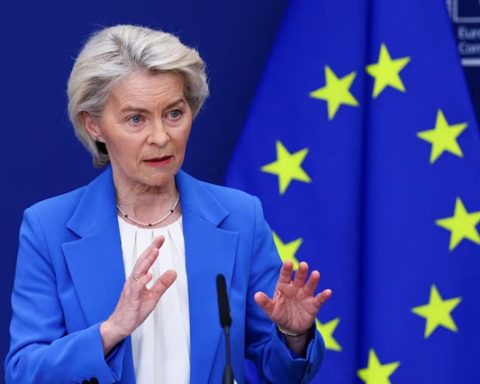
India is marking Republic Day 2026 today with a blend of patriotic ceremony and high-stakes diplomacy, as European Union leaders attend the national parade in New Delhi. The celebration, traditionally centred on military pageantry and cultural pride, has taken on a new global dimension this year, reflecting India’s ambition to project itself as a major international partner.
The theme for this year’s Republic Day, “150 Years of Vande Mataram,” has added a deeper symbolic layer to the event. The song, first published in Bankim Chandra Chattopadhyay’s 1876 novel Anandamath, became a powerful anthem during India’s independence movement and continues to represent the country’s cultural and political heritage. By choosing this theme, the government is reinforcing a message of national unity and historical continuity at a moment when India is also seeking to elevate its global diplomatic profile.
Today’s parade is expected to be shaped by the theme through cultural displays and performances that commemorate the song’s significance. Alongside the traditional elements of the celebration, the presence of EU leaders has turned the Republic Day event into a diplomatic showcase. Rather than inviting a single foreign dignitary, India has opted for a collective gesture, highlighting its strategic engagement with Europe and signalling a broader approach to international relations.
The selection of chief guests for Republic Day is usually a carefully considered process that reflects India’s foreign policy priorities and ongoing global partnerships. In recent years, invitations have been extended to leaders from regions of strategic importance. This year’s decision to invite EU leaders collectively is seen as a calculated move to strengthen ties in areas such as trade, technology, climate action, and security cooperation. It also underlines India’s desire to balance its international relationships and assert its role as a key global actor.