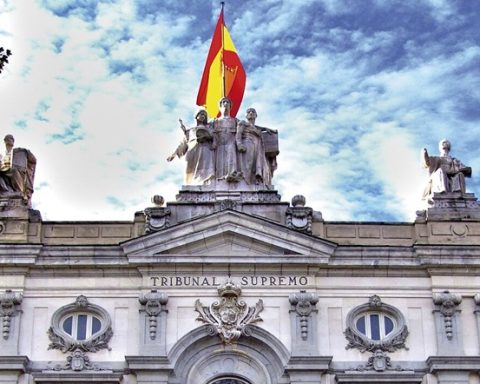
Israeli politics are in turmoil ahead of Indian Prime Minister Narendra Modi’s two-day visit, set to begin on Wednesday, February 25. Modi is scheduled to address the Knesset and meet with Prime Minister Benjamin Netanyahu and President Isaac Herzog, but controversy has erupted over the potential exclusion of Supreme Court President Isaac Amit from the event. Traditionally, the Chief Justice is invited to such parliamentary addresses, but Justice Minister Yariv Levin has refused to recognize Amit since his election in January 2025. This has left Amit excluded from multiple official events, including visits by US President Donald Trump and other world leaders.
Opposition leader Yair Lapid has threatened to boycott Modi’s speech if Amit is not formally invited, framing the issue as a matter of protocol rather than political opposition. Lapid warned that ignoring the Chief Justice would embarrass both Israel and India and emphasized that a half-empty Knesset during Modi’s address would be unacceptable. He told lawmakers that the Indian embassy has expressed serious concern over the situation, underscoring the diplomatic sensitivity of the matter. Lapid also urged Netanyahu to intervene, instructing Knesset Speaker Amir Ohana to ensure Amit’s participation.
The dispute reflects broader tensions within Israel, where judicial reform has divided public opinion for more than two years. Opposition parties recently boycotted the Knesset’s 77th anniversary session in protest of Amit’s exclusion, highlighting the deep rift between coalition and opposition members. Knesset Speaker Ohana accused Lapid of jeopardizing Israel-India relations for domestic political gain, calling the threat an improper tool of internal struggle. Lapid responded by arguing that the government’s refusal to invite Amit is the true source of diplomatic risk, insisting that his goal is to protect Israel’s international standing rather than undermine it.