Member of Parliament S. Sritharan says that the ongoing conflict in Iran mirrors the final stages of the 2009 Eelam civil war, with civilians once again facing heavy bombardment and indiscriminate attacks. Speaking at an International Women’s Day event organized by the Illankai Tamil Arasu Kachchi (ITAK) Women’s Front, he highlighted reports of cluster munitions and heavy artillery being used in populated areas, describing the situation as a repetition of the patterns of violence that devastated Tamil communities in Mullivaikkal and Puthukkudiyiruppu. He emphasized that women, historically pillars of families and active participants in conflict, continue to bear the heaviest burdens, suffering displacement, loss of family members, and other severe hardships.
Sritharan also criticized the United Nations and the international community, saying that their failure to ensure accountability for the events of 2009 has created a “culture of impunity” that now allows similar atrocities to occur in other countries. He pointed to the ongoing struggle of Tamil mothers who have protested for years seeking their missing children, arguing that the unresolved consequences of war show how wounds remain open when justice is denied.
Member of Parliament Kader Masthan says that the conflict in Iran poses immediate risks for Sri Lankans working across the Middle East. In a separate statement, he called for an immediate ceasefire, urging the United States and Israeli forces to halt military operations. He warned that the war could endanger Sri Lankan workers in Saudi Arabia, Qatar, Kuwait, the United Arab Emirates, and Oman, creating risks from potential retaliatory violence, economic disruption, and closed borders.
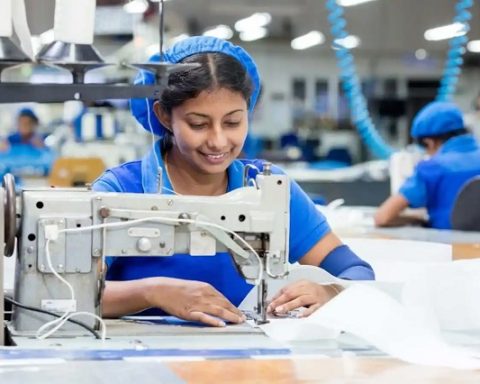
Masthan also said that Sri Lanka’s economy, heavily reliant on remittances from Gulf workers, could face serious consequences if hostilities continue. He urged the Sri Lankan government to use diplomatic channels to advocate for peace, stressing that the international community must prioritize protecting civilians and creating a stable environment rather than fueling further conflict.