China’s Ministry of State Security has warned of what it described as genetic resource theft and other cross-border biosecurity risks, citing cases in which overseas organisations allegedly entered ecologically sensitive areas under the guise of tourism or scientific research or obtained human blood samples through purported medical testing.
In a post published on its official WeChat account on Sunday during the National Day holiday, the ministry highlighted cases involving human blood, exotic pets and plant seeds. It urged the public to be aware of biosecurity risks associated with the movement of biological materials across international borders.
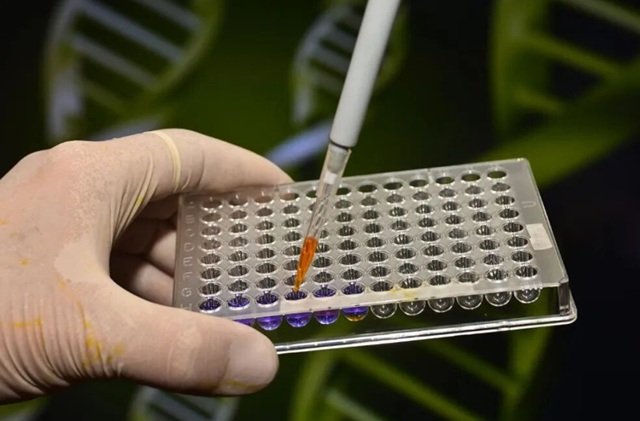
The ministry cited a series of major smuggling cases involving blood samples from pregnant women that were uncovered by Guangzhou Customs in 2025. Authorities dismantled an illicit cross-border network spanning 23 provinces, the ministry said, adding that the operation helped protect China’s human genetic resources.
The warning also focused on the movement of non-native animals into China. Customs authorities intercepted 5,439 batches of non-native species in passenger baggage, mail and other inbound channels during 2025, according to the ministry. In the first quarter of 2026 alone, authorities intercepted more than 1,000 exotic pets, including beetles, spiders, frogs, salamanders, lizards and snakes.
The ministry said live animals and biological specimens brought across China’s borders are subject to quarantine and approval requirements. It also warned that the growing popularity of exotic pets had contributed to repeated attempts to bring such animals into the country without the required permission.
Plants and seeds were identified as another area of concern. The ministry said some people purchase unusual flowers or seeds overseas for personal use, while others take native seedlings and seeds abroad as gifts without recognising the regulatory requirements governing their movement.
In May, customs officers discovered 50 packets of mixed seeds in a mailed parcel declared as “personal belongings”. Each packet weighed 500 grams, and the shipment contained large quantities of cannabis seeds, the ministry said.
Customs authorities have also uncovered cases involving travellers who concealed plant seedlings or disguised them as gifts in attempts to bring them into China without declaration or quarantine procedures, according to the ministry.
The ministry said the risks associated with such cases extended beyond individual violations. It warned that illegal imports of non-native species and unauthorised exports of native organisms or genetic resources could disrupt ecosystems, threaten agricultural production and public health, and undermine biosecurity.
It described biological genetic resources as national strategic resources and warned of the implications of their illegal export. Animals, plants, related products and other regulated materials crossing China’s borders are subject to quarantine approval, inspection and supervision, it said, adding that concealment and false declarations could seriously endanger national security.
The ministry called on travellers not to carry animals, plants, seeds or other biological materials across borders without authorisation. Those moving biological materials for research, teaching or other purposes should obtain the required permits in advance from customs and relevant agricultural or science and technology authorities, accurately declare the materials and submit them for quarantine.
It also urged members of the public to report suspected illegal cross-border movements of biological materials to the relevant authorities and assist with investigations.