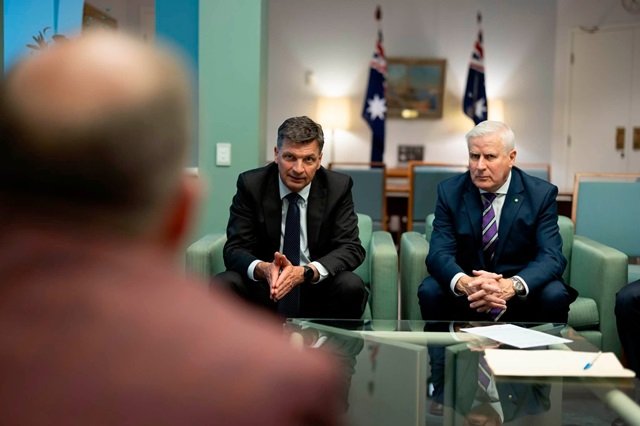
Australia’s conservative opposition coalition has proposed what Opposition Leader Angus Taylor called the country’s “biggest cut to immigration in the history of this country”, seeking to reduce temporary migration, restrict international student numbers and prioritise skilled workers.
The Liberal-National Coalition’s migration policy would cut the number of temporary visas by 650,000 over four years and reduce annual net overseas migration to 100,000 for each of the first two years. The figure would then rise to 160,000 in the fourth year, according to the proposal. The Coalition said the measures would ease pressure on housing, infrastructure, schools and roads.
“What we are proposing today is the biggest cut to immigration in the history of this country,” Taylor told a press conference on Tuesday. “It will be putting Australia first and it will be putting our national interest first.” He said the proposed reduction would give Australia “the breathing space it needs”.
The plan would halve Australia’s humanitarian visa places to 10,000 and reduce international student enrolments to 240,000. It would also abolish the temporary graduate visa programme, which allows international students to remain in Australia after graduation to live, study and work.
At the same time, the Coalition would increase temporary skilled visas by 100,000 and clear a backlog of applications from construction workers. Taylor said the policy would reverse what he described as a shift under the centre-left Labor government from skilled migration towards what he called “mass migration”.
The proposal comes as the Coalition faces pressure from the far-right, anti-immigration One Nation party, which has outpolled it in recent surveys and has pledged to cut temporary migration by 750,000 over three years. The source says growing opposition to immigration has been fuelled by concerns over high living costs and housing shortages.
The Coalition’s proposal goes beyond measures announced by the Labor government last month. Labor’s plan aims to reduce annual net migration to 225,000 by 2028, substantially above the opposition’s proposed level of 100,000 during the first two years of its programme.
Migration increased sharply after Australia reopened its borders in February 2022 following almost two years of COVID-19 restrictions. International students, backpackers and temporary workers were major contributors to the increase. However, migration has declined over the past two years, with net overseas migration reaching 306,000 in the year to June 30, 2025.
The next Australian general election is not due until 2028, leaving the proposed migration programme as part of the opposition’s policy agenda well before the next national vote.