Sri Lanka’s Easter Sunday suicide bombing by the Islamic State on April 21, 2019 has inspired foreign “jihadists” to conduct similar attacks.
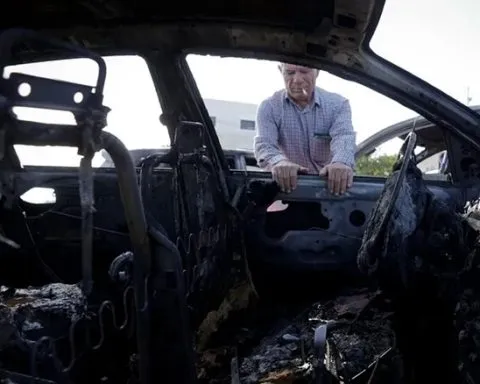
After the Al-Fatema Islamic Center, a community mosque located in Guelph, Ontario was firebombed this November 8, 2026 causing an estimated $1 million in damage and completely destroying the building’s interior. A 38-year-old Guelph man has been arrested and charged with arson in connection with the fire. No one was hurt.
This attack has outraged a self-identified Canadian “jihadist” to demand fellow Islamic State supporters take revenge by “terrorizing the kuffar” wherever they are found.
Canada’s Guelph Police Service promptly arrested the 38-year-old local man known to the center’s owners and charged him with arson and three counts of breaching a probation order. Police have stated that the fire is not believed to be a hate-motivated act. The Ontario Fire Marshal’s Office has been investigating the scene.
According to SITE Intelligence Group, a member of a pro-IS discussion platform using the nisbah “Al Kanadi” (The Canadian) posted an English message about a “kafir” burning a mosque in Guelph and inflicting nearly one million dollars in losses. Suggesting that inaction creates vulnerability for Muslims, he demanded vengeance on November 10, 2026 citing the suicide bombings on Easter Sunday in Sri Lanka as inspiration.
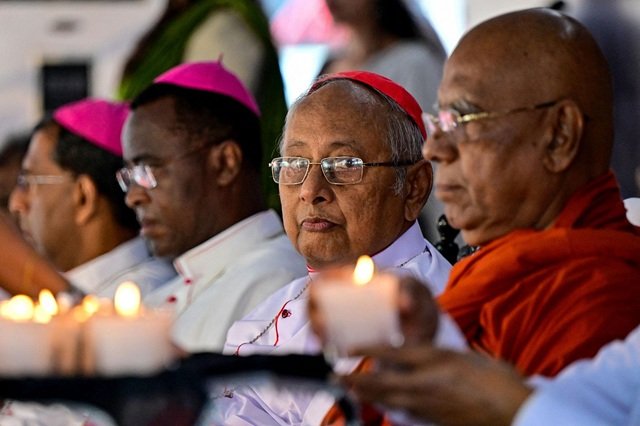
On 21 April 2019, the world’s most dangerous threat movement, the Islamic State, mounted one of its deadliest attacks in Sri Lanka. The surge of fear, suspicion, and prejudice following what is now known as ‘Sri Lanka’s Easter Sunday Massacre’ fragmented the country, imbuing hatred and anger against the Muslim community. Years later, the radicalization pipeline remains intact, and the threat persists. As successive governments did not shape the outcome of the Easter Sunday massacre, the threat persists. It is imperative for the Muslim community and religious leaders to counter religious exclusivism and extremism. Otherwise, it will continue to drive religious violence and terrorism.
With the global expansion of the Islamic State and Al-Qaeda, will the world witness attacks of a similar or greater scale in the future?
According to SITE Intelligence Group, the world’s largest social media firm monitoring terrorism and it’s precursor extremism, the post by nisbah “Al Kanadi” titled ‘Kuffar Burned Mosque in Canada so Terrorize the Kuffar” said,
“In Canada, a kafir burned a mosque in Guelph, Ontario. The damage costed around 1 million dollars of losses, but alhamdulillah no Muslim was killed. This just shows how vunreble we are to events like this, so to counter this terrorize the kuffar. After the Christchurch Mosque Shooting in New Zealand which made 51 people shuhada, the mujahideen killed 269 people in Sri Lanka in an attack including a martyrdom operation in a church. No matter where you are in the world, you can still try terrorizing the kuffar in response to this mosque arson, and know that jannah is beneath the shadow of swords.”
In response, a platform member expressed no sympathy for “so called muslims in Canada,” believing their mosques are hubs for interfaith dialogue, but argued that “killing christians and their churches is in fact a priority.”
Below is a copy of his message according to the SITE Intelligence Group:
“the so called muslims in canada brought this to themselves, these mosques were surely a hub for “integration”, “interfaith” and inviting politicans. These “moderates” are infact murtadeen and their mosques are masjid dirar, so prayer is invalid there. however killing christians and their churches is in fact a priority.”
To prevent and counter misinformation and disinformation after a terrorist attack, governments and its religious partners should always reveal the truth. If this is not successfully done, the attack will be used and misused by politicians and a segment of the clergy.
Several critical actions should be taken including issuing a White Paper with the evidence or publicising the fact finding commissions like the 9/11 Commission.
At the forefront to combat religious extremism should be the Muslim religious leaders, institutions, and authorities. They should include the following action items:
- Promote Moderation and Coexistence: Muslim religious institutions must actively foster moderation, tolerance, and interfaith coexistence rather than relying solely on reactive or impromptu displays of solidarity.
- Teach Comparative Religion: Every mosque and madrasah should integrate the teaching of comparative religion and proper religious knowledge into their curricula.
- Display the Medina Charter: Religious institutions should prominently display the Medina Charter—a historic constitution attributed to the Prophet Muhammad that established cooperation and rights among diverse religious communities—as a reference for pluralism.
- Certify and Accredit Clerics: All preachers and clerics must undergo formal certification and accreditation to ensure they adhere to moderate, state-sanctioned teachings and prevent hate speech.
- Address Preachers of Hate: Religious and community leaders must consistently remind the public that killing innocent civilians is impermissible under any circumstances, and that preachers promoting hate of any faith should face accountability.
Religious exclusivism and extremism will drive violence and terrorism until it is prevented and countered by governments and their community and religious partners. No religion preaches hatred, including Islam. However, politicians and other interested parties use and misuse such attacks for their political and personal benefit. As such far-reaching leaders both in government and in the religious institutions should play a vital role to promote moderation, toleration and coexistence.