


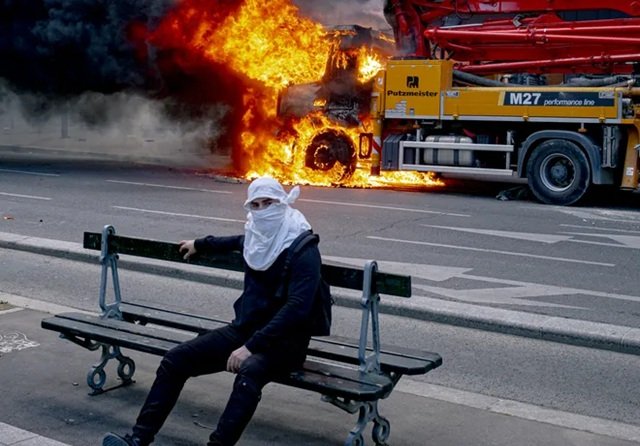
The French protests that are spreading over Europe are not receiving proper attention. The explanation that students all over France, with the disturbances spreading into Italy and Belgium, are burning down historic

Saima Afzal is a researcher specializing in South Asian security, counterterrorism, and broader geopolitical dynamics across the Middle East, Afghanistan, and the Indo-Pacific. Her work examines strategic affairs and evolving patterns of regional conflict. She is currently a Research Scholar at Justus Liebig University, Germany.
The French protests that are spreading over Europe are not receiving proper attention. The explanation that students all over France, with the disturbances spreading into Italy and Belgium, are burning down historic

Sri Lanka lost an estimated Rs 29.5 billion in potential tax revenue in 2025 because of illicit factory-made cigarette consumption, according to an economic assessment by Oxford Economics, which estimates that illegal products accounted for 20% of the market despite
A familiar storm gathers Sri Lanka’s inflation reached 8% in September 2026, above the Central Bank’s 3–7% target band for a third straight month,
More than 25 years after the United Nations Security Council adopted Resolution 1325 on women, peace and security, women’s representation in multilateral peace operations
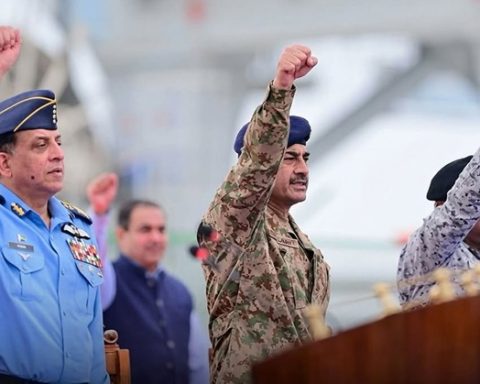
The brief but intense India–Pakistan confrontation of May 2025 will likely be remembered not only for military exchanges or cross-border strikes, but for something equally significant: the contest over narrative, credibility and
More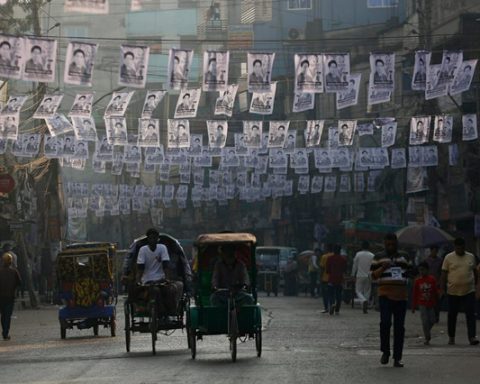
India’s latest dispute with Bangladesh over alleged “illegal immigrants” has exposed growing contradictions between New Delhi’s regional rhetoric and its actual conduct toward neighbouring states. For years, India has presented itself as
More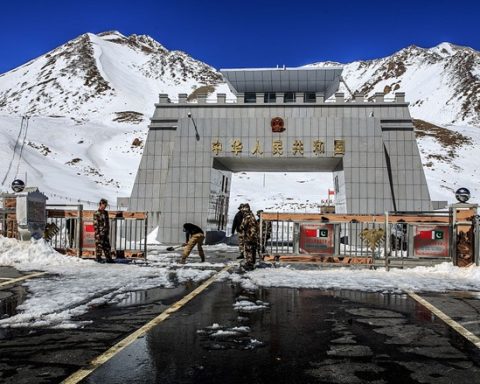
Reports that a Chinese company was “exiting” Gwadar spread rapidly online, but the claim collapsed almost as quickly as it emerged. The controversy surrounding Hangeng Trade Company involved temporary regulatory hurdles affecting
More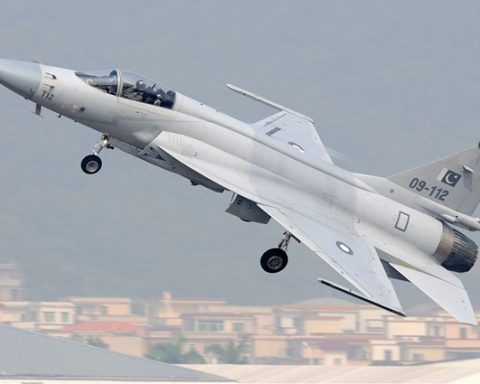
Air forces are the primary military branches responsible for conducting air warfare, securing air superiority and projecting power through fighters, bombers and reconnaissance platforms. In contemporary air warfare, victory is no longer
More
In today’s strategic landscape, influence isn’t shaped only by military strength or economic weight. Increasingly, it is built through narratives-formed, circulated, and contested across digital spaces that don’t recognize borders. In that
More
India’s rise on the global stage is no longer debated. Over the past decade, New Delhi has steadily positioned itself as a consequential actor combining economic ambition with expanding strategic reach. Its
More
The two-week ceasefire between the United States, Iran and Israel, announced by Donald Trump just hours before a self-imposed escalation deadline, has paused a 39-day conflict that had moved with unusual speed
More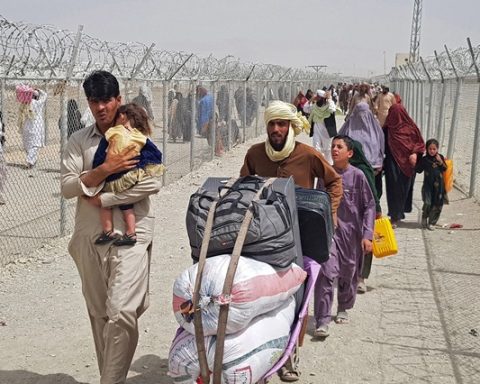
In Afghanistan, humanitarian reporting has become one of the most influential lenses through which the crisis is understood internationally. Yet that lens is increasingly incomplete. By focusing heavily on civilian suffering without
More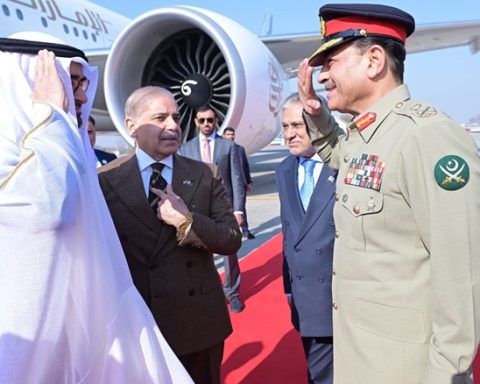
The recent repayment of a long-term deposit to the United Arab Emirates has been interpreted by some as a sign that Pakistan is once again under fiscal pressure. That reading doesn’t quite
More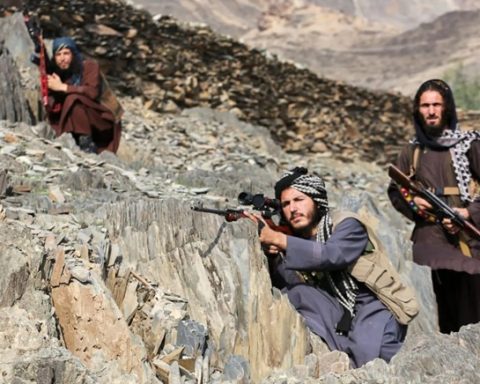
The Taliban present their rule as grounded in Sharia. Nearly five years after returning to power, Afghanistan is governed less as an Islamic system and more as a centralized structure of authority
More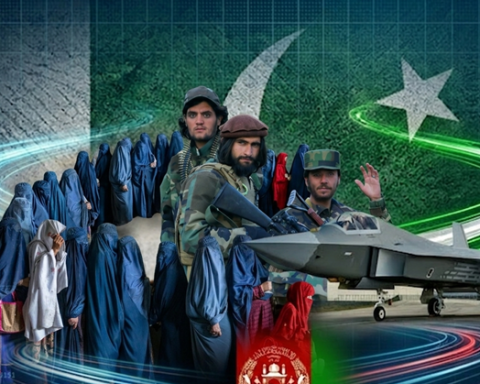
Since the Taliban’s return to power in August 2021, the claim of having restored “security” has remained central to their narrative and its external amplification. This framing often contrasts with earlier periods
More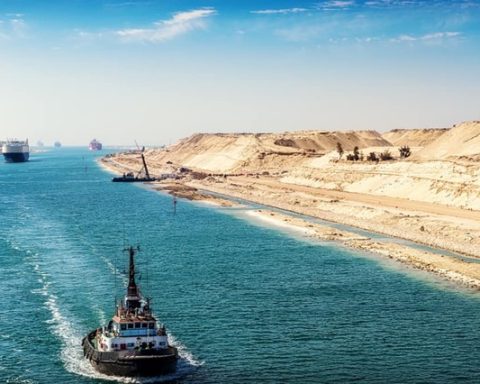
The latest escalation in the Middle East has brought global energy markets back to a familiar point of strain: the vulnerability of supply routes concentrated in a handful of geopolitical chokepoints. At
More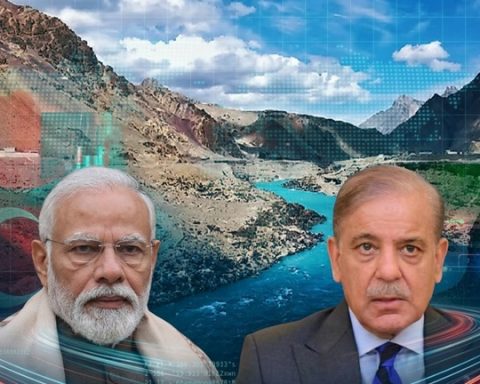
For more than six decades, the Indus Waters Treaty (IWT) stood as a rare constant in an otherwise volatile relationship between India and Pakistan. Signed in 1960, it survived wars, military crises,
More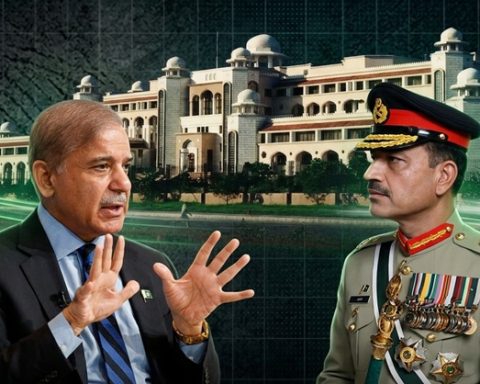
For decades, Pakistan has been described as “strategically located.” The phrase is convenient, but it understates the reality. Pakistan does not simply occupy space between regions-it sits within the fault lines that
More As global attention remains fixed on the war in Iran, another conflict-quieter but no less consequential is unfolding to its east. Since late February 2026, Afghanistan and Pakistan have slipped into what
More