


A familiar storm gathers Sri Lanka’s inflation reached 8% in September 2026, above the Central Bank’s 3–7% target band for a third straight month, and another push is coming from abroad. Brent

Saima Afzal is a researcher specializing in South Asian security, counterterrorism, and broader geopolitical dynamics across the Middle East, Afghanistan, and the Indo-Pacific. Her work examines strategic affairs and evolving patterns of regional conflict. She is currently a Research Scholar at Justus Liebig University, Germany.
A familiar storm gathers Sri Lanka’s inflation reached 8% in September 2026, above the Central Bank’s 3–7% target band for a third straight month, and another push is coming from abroad. Brent
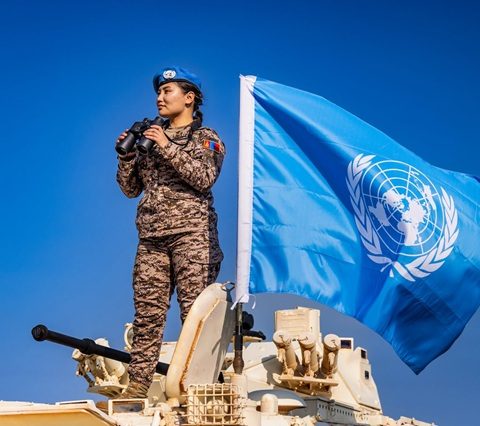
More than 25 years after the United Nations Security Council adopted Resolution 1325 on women, peace and security, women’s representation in multilateral peace operations remains uneven, with progress in some categories offset by declining numbers and setbacks in senior appointments.
RSS chief Mohan Bhagwat alleges global forces are exploiting domestic unrest to destabilise India, warns against anti-government agitation and calls for national unity, while
China has lodged a formal diplomatic representation with the United Kingdom after Chinese nationals, including trade delegates, tourists and people visiting relatives, were subjected
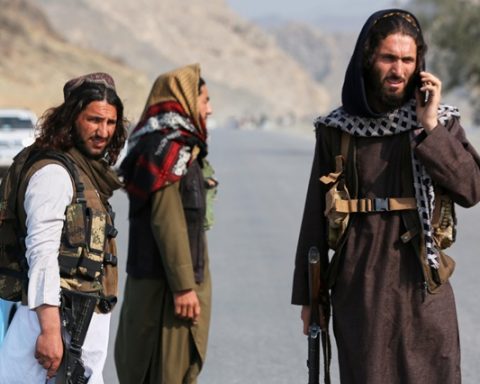
Five years after the Taliban returned to power, Afghanistan is no longer defined by the nationwide war that consumed it for two decades. The Taliban controls the country, large-scale fighting has receded,
More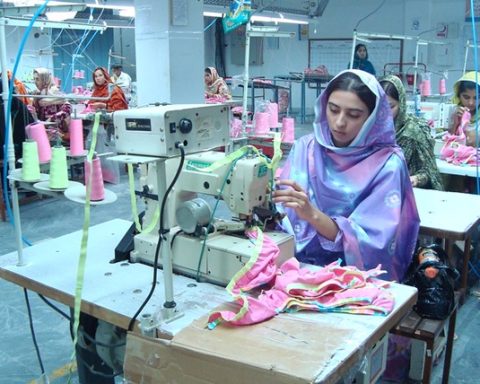
Pakistan’s textile and garment industry is entering a period in which competitiveness will depend on more than low production costs and manufacturing capacity. As international buyers place greater emphasis on labour rights,
More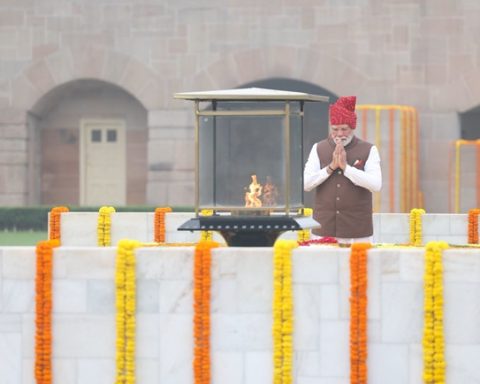
Every August 15, India presents a familiar image to the world: the flag over the Red Fort, military ceremony, patriotic speeches and the celebration of the world’s largest democracy. Yet beyond the
More
Two Sikh activists. Two assassination plots. Two democratic allies. Yet three years after the events that shook relations between India, Canada and the United States, the legal record points in opposite directions.
More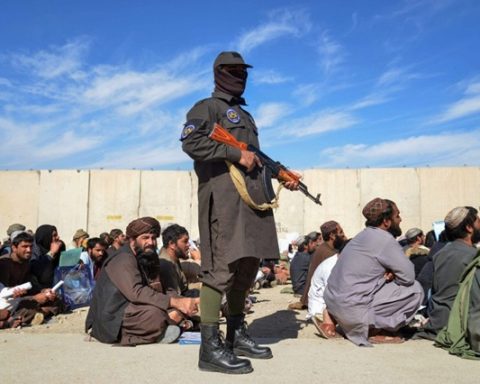
Nearly four years after the Taliban returned to Kabul, Afghanistan appears politically unified on the map but remains deeply fragmented in practice. The Taliban project an image of centralized authority and national
More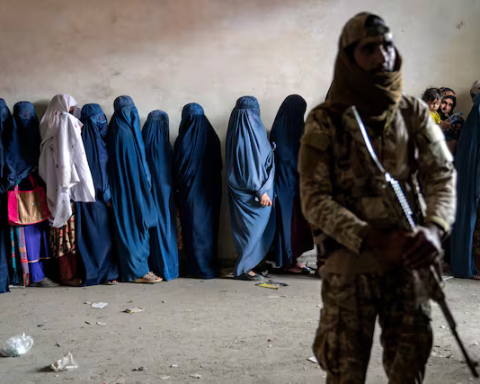
In modern warfare, the battle for territory is often accompanied by a battle for truth. Military operations are no longer judged solely by events on the ground but also by the competing
More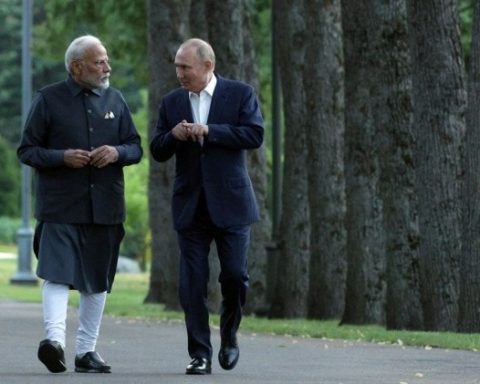
Russia’s newest defence offers to India arrive at an awkward moment. As New Delhi continues to champion Atmanirbhar Bharat (Self-Reliant India) as the foundation of its strategic autonomy, Moscow is proposing deeper
More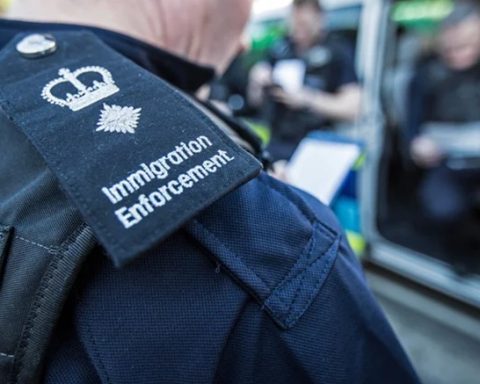
The debate over whether convicted child sex offender Shabir Ahmed should be deported from the United Kingdom to Pakistan has become about far more than one offender. It has evolved into a
More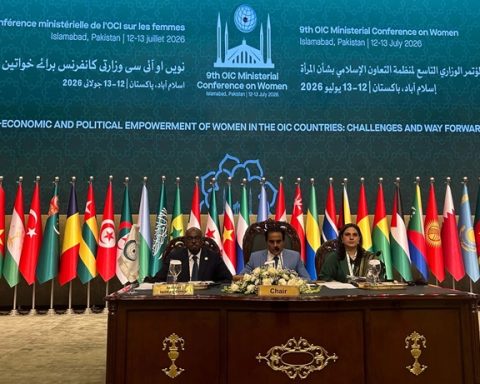
The 9th Ministerial Conference on Women of the Organisation of Islamic Cooperation (OIC), hosted by Pakistan in Islamabad, comes at a pivotal moment for the Muslim world. Across its 57 member states,
More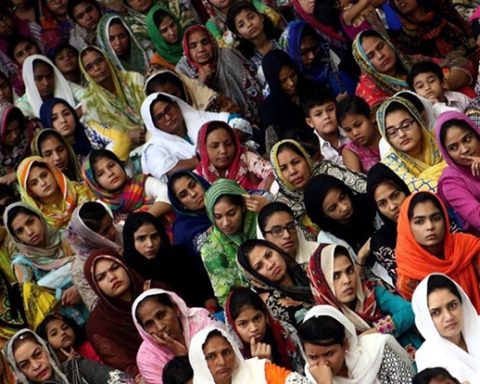
The European Parliament’s latest intervention on Pakistan raises a difficult question: when does legitimate human-rights scrutiny become an oversimplification of another country’s judicial process and when does it become political leverage? At
More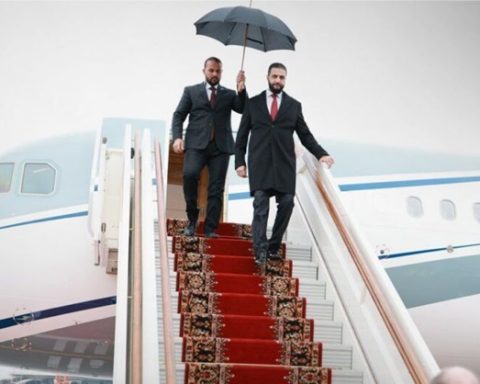
The possibility that Afghanistan could once again emerge as a major hub for transnational jihad carries implications well beyond South Asia. A renewed concentration of experienced foreign militants would reshape the security
More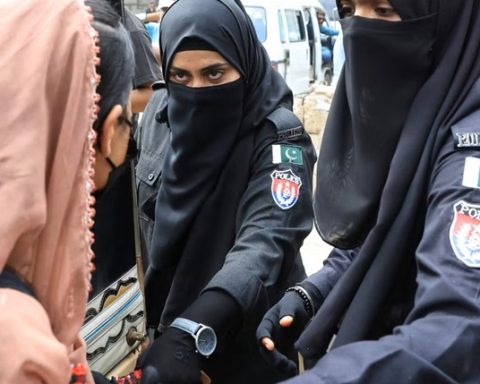
By the time security forces secure the site of an attack in Balochistan, another battle is often already underway. Within minutes, videos appear on social media, statements circulate across encrypted messaging platforms,
More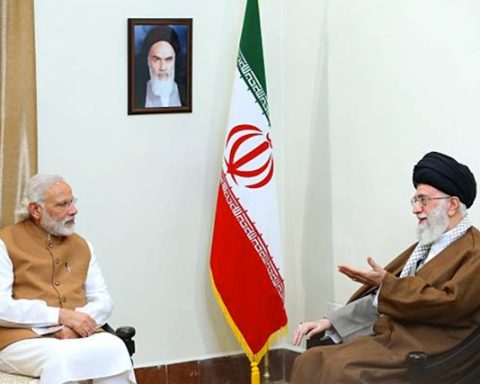
Diplomacy is often communicated as much through absence as through presence. State funerals are among the few occasions where protocol itself becomes a form of political signaling. The rank of the representative
More For much of the period following the Taliban’s return to power in August 2021, European engagement with Afghanistan was shaped primarily by humanitarian assistance, migration management and limited diplomatic engagement. Counterterrorism remained
More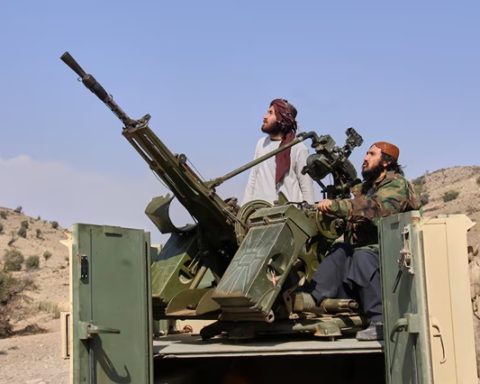
Few developments since the Taliban’s return to power have been as surprising as India’s gradual re-emergence in Afghanistan. In 2021, most observers assumed Islamabad would be the principal beneficiary of the new
More