


A familiar storm gathers Sri Lanka’s inflation reached 8% in September 2026, above the Central Bank’s 3–7% target band for a third straight month, and another push is coming from abroad. Brent


Saima Afzal is a researcher specializing in South Asian security, counterterrorism, and broader geopolitical dynamics across the Middle East, Afghanistan, and the Indo-Pacific. Her work examines strategic affairs and evolving patterns of regional conflict. She is currently a Research Scholar at Justus Liebig University, Germany.
A familiar storm gathers Sri Lanka’s inflation reached 8% in September 2026, above the Central Bank’s 3–7% target band for a third straight month, and another push is coming from abroad. Brent
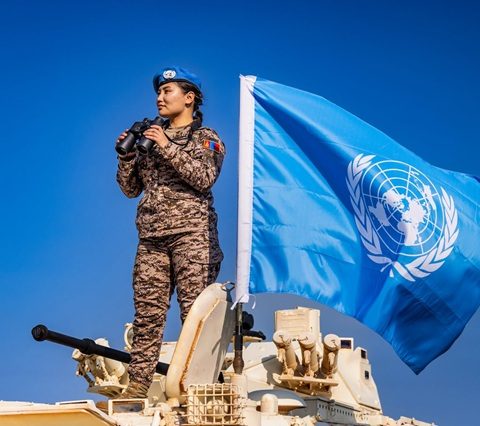
More than 25 years after the United Nations Security Council adopted Resolution 1325 on women, peace and security, women’s representation in multilateral peace operations remains uneven, with progress in some categories offset by declining numbers and setbacks in senior appointments.
RSS chief Mohan Bhagwat alleges global forces are exploiting domestic unrest to destabilise India, warns against anti-government agitation and calls for national unity, while
China has lodged a formal diplomatic representation with the United Kingdom after Chinese nationals, including trade delegates, tourists and people visiting relatives, were subjected
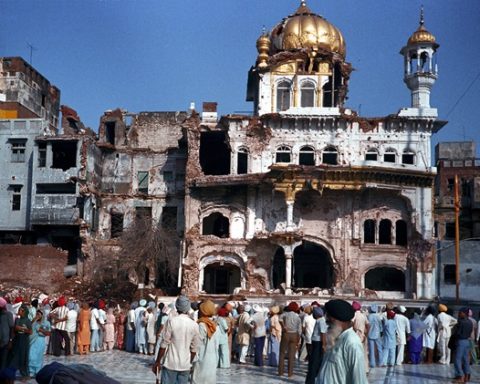
Forty-two years after Operation Blue Star, the events of June 1984 remain among the most consequential and contested episodes in modern Indian history. What began as a military operation aimed at removing
More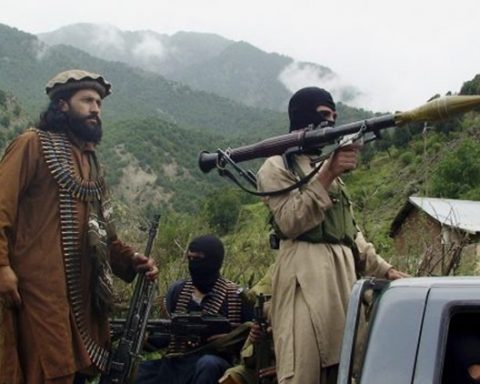
The latest round of tensions between Pakistan and the Taliban authorities has once again been accompanied by allegations of civilian casualties resulting from Pakistani military actions. Such allegations inevitably attract international attention,
More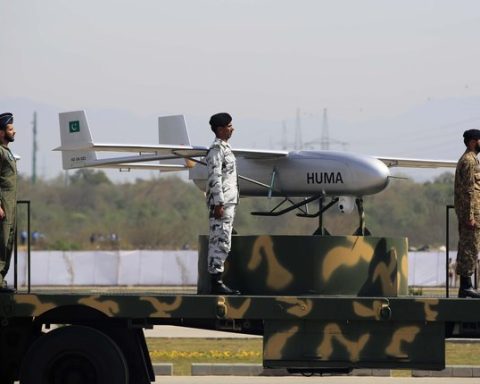
Just weeks after South Asia stepped back from one of its most serious military crises in recent years, fresh tensions in the Poonch sector highlighted how rapidly the region’s security environment is changing. The
More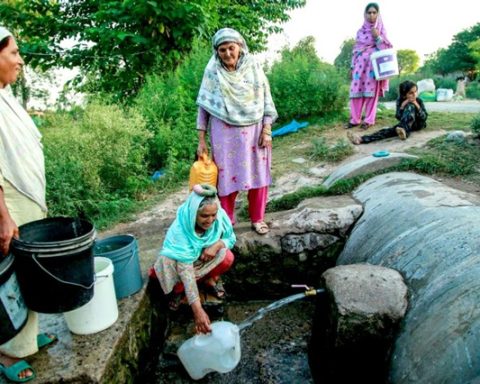
Environmental degradation is increasingly reshaping the global security landscape. From the Middle East to Central Asia, climate change, water stress, and ecosystem decline are becoming strategic challenges with profound political and economic
More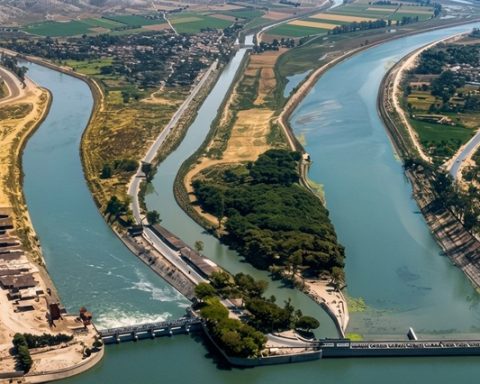
Water lies at the heart of South Asia’s economy and security. The Indus Basin supports approximately 300 million people and irrigates nearly 26 million hectares of agricultural land, making it one of
More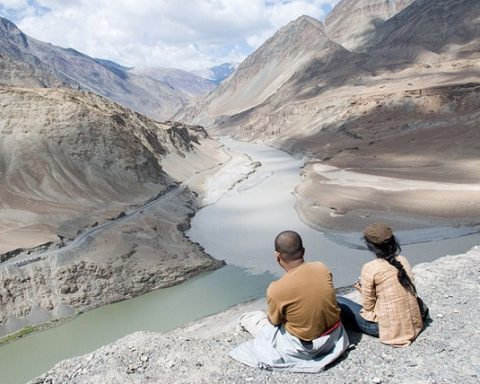
When India placed the Indus Waters Treaty (IWT) in abeyance last year, attention naturally focused on the diplomatic and legal consequences of the decision. Yet the more consequential question may lie elsewhere:
More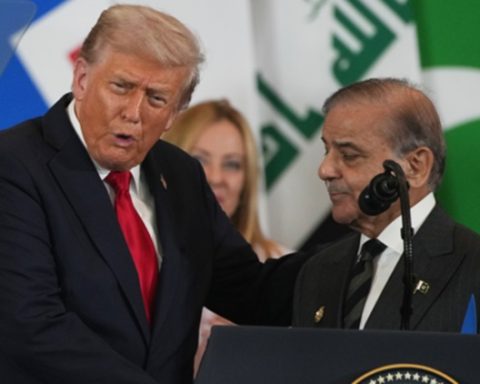
As tensions between Washington and Tehran threatened to escalate into a wider regional confrontation, the United States once again found itself relying on a familiar intermediary: Pakistan. The episode exposed a contradiction
More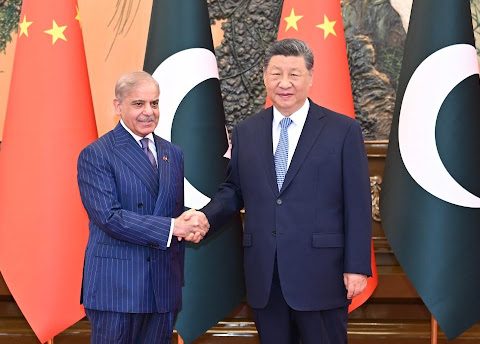
The joint statement issued after Prime Minister Shehbaz Sharif’s May 23-26 visit to China was not merely another ceremonial reaffirmation of friendship between Islamabad and Beijing. It reflected something deeper: the steady evolution of
More
For decades, Balochistan’s separatist insurgency remained overwhelmingly male. Armed groups operated through tribal networks, clandestine cells and remote mountain sanctuaries, while women largely remained outside direct militant activity. Even within nationalist politics, female
More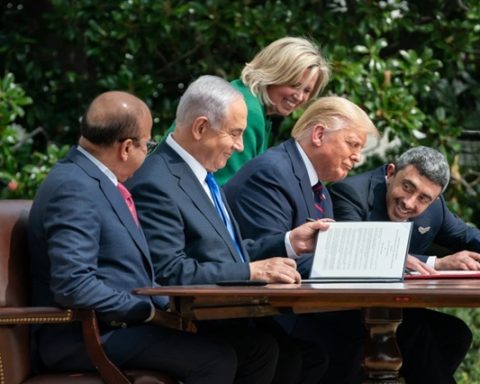
The growing effort to pull Pakistan into Middle Eastern normalization politics reflects a wider strategic tension emerging across the region: the widening disconnects between externally promoted diplomatic frameworks and political realities inside
More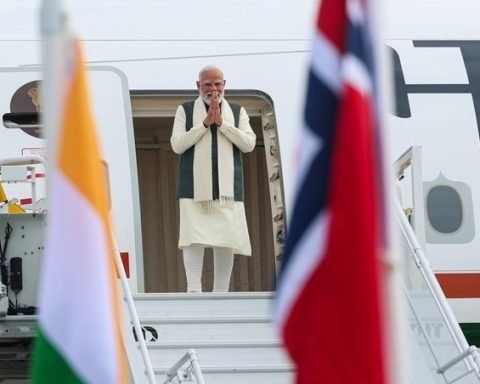
Indian Prime Minister Narendra Modi arrived in Norway expecting to reinforce India’s growing engagement with the Nordic region through trade, green technology cooperation and strategic diplomacy. Instead, his Oslo visit became overshadowed by protests
More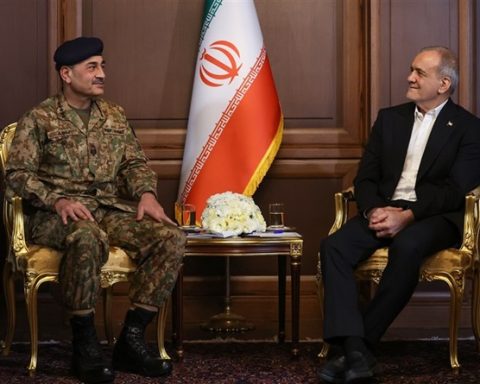
As tensions involving Iran, Israel and the United States continue to reshape the Middle East, Pakistan is quietly positioning itself as one of the few countries capable of maintaining communication across rival
More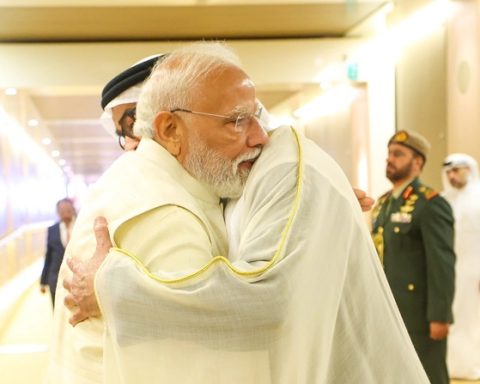
Prime Minister Narendra Modi’s recent visit to the United Arab Emirates was officially framed around energy cooperation, investment expansion and strategic connectivity. Yet beneath the language of economic partnership lies a broader
More For more than six decades, the Indus Waters Treaty stood as one of the few durable institutional arrangements between India and Pakistan. Signed in 1960 after extensive World Bank mediation, the agreement
More
In modern conflicts, wars are no longer fought only on battlefields. They are increasingly fought through narratives, international reporting, digital information campaigns and competing claims over legitimacy. Civilian casualty reporting has become
More