by Our Correspondent in Colombo
An increasing number of Bangladeshi nationals are reportedly using Sri Lanka as a transit point in their attempt to migrate illegally to other countries, raising serious concerns over a growing trend of petty crimes and disturbances in areas surrounding Colombo and Katunayake, according to multiple local sources.
Shop owners and residents near Bandaranaike International Airport in Katunayake have voiced concerns about a noticeable rise in thefts, disturbances, and suspicious behavior attributed to groups of Bangladeshi youths arriving in the country with limited oversight or tracking.
“Recently, a group of Bangladeshi men came into my shop. While a few of them distracted us by engaging in conversation, others quietly concealed goods under their clothes and left without paying. We don’t have CCTV cameras here, so there’s no footage. But we know what happened,” a local shopkeeper told Sri Lanka Guardian.
Although the exact number of these individuals is unclear, local business owners and residents say the issue is beginning to disrupt everyday life, especially in high-traffic areas near the main airport and nearby transport hubs.
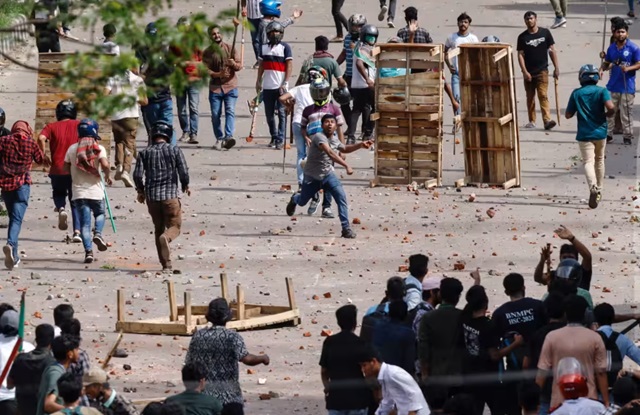
This trend coincides with deepening economic and political turmoil in Bangladesh. Following the ousting of the long-serving government of Prime Minister Sheikh Hasina in late 2024, the country has plunged into a period of social instability. The latest data from the Bangladesh Bureau of Statistics indicates that the unemployment rate has surged to 7.2% in early 2025, while inflation hovers at an alarming 9.8%, driven by fuel price hikes and a depreciating taka.
With limited economic prospects and growing public unrest, many young Bangladeshis are seeking to leave the country—some through irregular and unsafe channels. Sri Lanka, due to its geographical location and relatively relaxed visa requirements, has become an unintended waypoint for such movements.
Security analysts warn that this influx, if left unchecked, could strain Sri Lanka’s already fragile economy and social fabric. The challenge lies in the lack of effective coordination between immigration enforcement, local law enforcement, and regional diplomacy,” said a source based in Colombo.
Sri Lanka’s own economic situation remains delicate following its 2022 debt default. While the country is on a slow path to recovery, with GDP growth projected at just 1.9% in 2025 according to the World Bank, the influx of irregular migrants and associated criminal activities could derail confidence in local security.
Sri Lanka’s Immigration and Emigration Department has not yet issued a formal response to the recent complaints, but sources within the department have acknowledged an uptick in short-term arrivals from South Asia, particularly from Bangladesh.
Local authorities are now calling for increased surveillance, including better immigration screening at points of entry and broader implementation of security cameras in commercial areas. Community leaders also urge regional cooperation to address the root causes of migration and criminality linked to it.