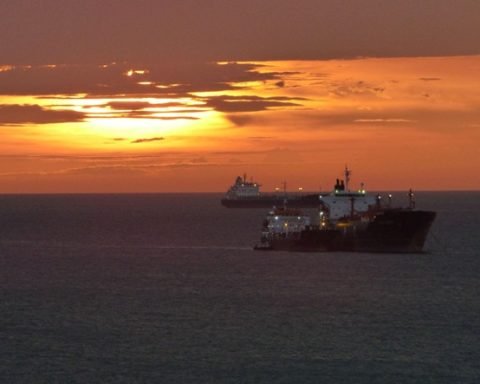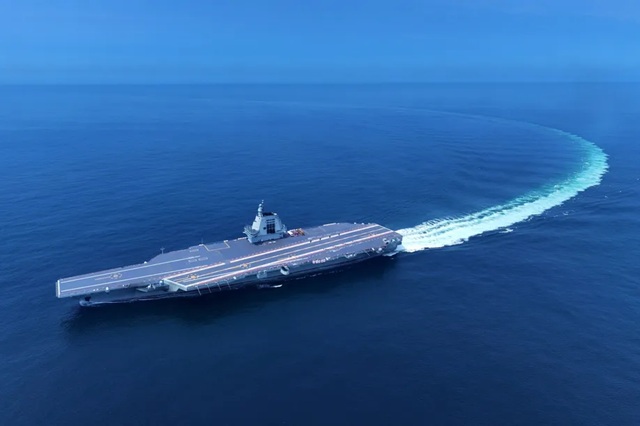
China has deployed an unusually large concentration of naval and coast guard vessels across East Asian waters, at one point surpassing 100 ships in what sources described to Reuters as the country’s largest maritime show of force to date. The operations, which began intensifying after mid-November, stretch from the southern Yellow Sea through the East China Sea and into the contested South China Sea, extending as far as the western Pacific.
Four regional security officials familiar with the matter said the surge in Chinese activity comes during what is typically the busiest period for People’s Liberation Army drills, even though Beijing has not announced any major exercises. Intelligence reports from a regional government — reviewed by Reuters on condition the country not be named — confirmed the scale of the deployment. As of Thursday morning, more than 90 vessels remained active, down from over 100 earlier in the week.
The buildup coincides with a growing diplomatic clash between China and Japan after Japanese Prime Minister Sanae Takaichi said last month that a hypothetical Chinese attack on Taiwan could prompt a military response from Tokyo. Beijing was further angered by Taiwan President Lai Ching-te’s announcement of an additional $40 billion in defense spending to counter China, which claims the island as its territory.
Regional officials said the current deployment exceeds China’s mass naval operations in December last year, an episode that led Taiwan to raise its alert level. Tsai Ming-yen, director-general of Taiwan’s National Security Bureau, acknowledged on Wednesday that China has entered its most active military season, noting that four Chinese naval formations were operating in the western Pacific. Taiwan, he added, is monitoring the situation closely.
Taiwan’s presidential office said it maintains a full, real-time understanding of the security environment across the Taiwan Strait and surrounding waters. It pledged continued cooperation with international partners to deter any unilateral actions that could undermine regional stability.
One security official said China began dispatching a larger-than-usual number of ships soon after it summoned Japan’s ambassador on November 14 to protest Tokyo’s comments on Taiwan. The official described the deployments as “far beyond China’s national defense needs,” warning that Beijing appeared to be testing the reactions of neighboring capitals. Some Chinese ships, working alongside PLA aircraft, have carried out mock attacks on foreign vessels and practiced access-denial operations designed to deter outside military intervention in a potential conflict.
Other regional officials, however, assessed that while the scale of the deployments is noteworthy, the activities still appear to fall under routine exercise patterns rather than preparations for imminent escalation.
The number of Chinese vessels directly surrounding Taiwan has not increased significantly, according to both the officials and the intelligence reports seen by Reuters. China’s last formally named Taiwan-focused drills took place in April under the title “Strait Thunder-2025,” and Beijing never publicly confirmed exercises conducted during last December’s major naval movements.
China’s defense and foreign ministries, its Taiwan Affairs Office, and Japan’s Self-Defense Forces did not respond to requests for comment.