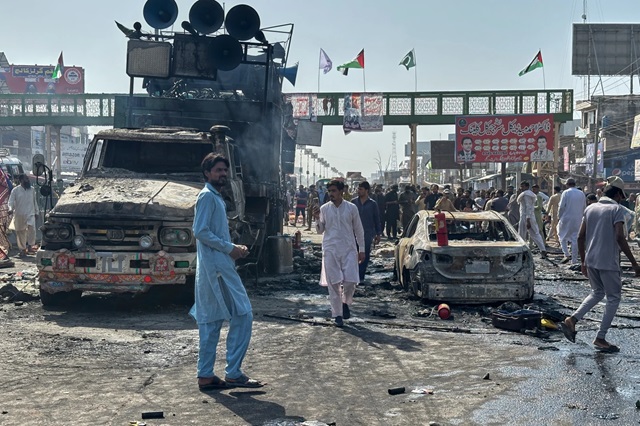
On October 10, 2025, Tehreek-e-Labbaik Pakistan (TLP) Chief Saad Rizvi claimed that 11 party workers were killed and more than 50 persons injured during clashes with the Punjab Police in Lahore, amid TLP’s “Gaza March” toward Islamabad-a protest in solidarity with Palestinians. The previous day, October 9, TLP launched a mass protest march from Lahore and Faizabad to Islamabad under the “Labbaik Ya Aqsa Million March” banner, calling for a rally outside the United States (US) Embassy against the “first phase” Gaza ceasefire deal.
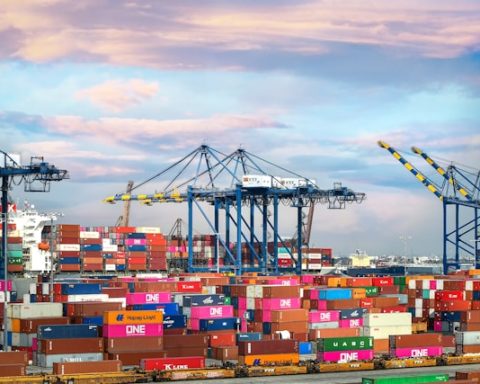
The protest prompted a robust security response from Pakistani authorities. The government imposed Section 144 in Rawalpindi to ban public gatherings, suspended mobile data services in Islamabad and Rawalpindi, and deployed shipping containers and heavy police contingents to seal the federal capital’s red zone. Clashes broke out in Lahore on October 10 when police raided TLP’s headquarters on Multan Road to arrest Saad Rizvi. TLP supporters retaliated with stone-pelting and iron bar attacks, while police used tear gas to disperse the crowd. At least three policemen were injured. Rizvi’s claim of 11 deaths remains unverified independently, and police have not confirmed any fatalities. As of October 11, 2025, media reports confirm at least two protesters killed and dozens injured, including many police personnel.
The far-right TLP, notorious for disruptive and violent protests, was founded by Khadim Hussain Rizvi on August 1, 2015. It arose from the movement backing Mumtaz Qadri, the police guard who assassinated Punjab Governor Salman Taseer on January 4, 2011, for criticizing Pakistan’s blasphemy laws. TLP has gained political and street influence by positioning itself as a guardian of the Prophet’s honour and blasphemy legislation. The group has staged nine major protests, each yielding written or verbal agreements with the government, revealing a pattern of state appeasement..
In November 2017, TLP’s first major demonstration targeted Islamabad over a controversial election law amendment. The three-week sit-in concluded with Law Minister Zahid Hamid’s resignation and a PML-N government pact. In April 2018, TLP blockaded Punjab roads to enforce the 2017 deal, ending after 12 days with another settlement. October 2018 saw nationwide unrest after the Supreme Court acquitted Asia Bibi; the PTI government inked a five-point agreement to appeal the ruling and add her to the exit control list.
November 2018 brought fresh threats over Asia Bibi, leading to the “protective custody” of TLP Chief Khadim Hussain Rizvi and senior leaders. In November 2020, protests erupted over French blasphemous caricatures; the government agreed in writing to expel the French ambassador and boycott French goods, though the commitments remained unfulfilled. The April 2021 clashes followed Saad Rizvi’s arrest, including 16 policemen taken hostage. The group was briefly banned under the Anti-Terrorism Act, but a compromise followed soon thereafter.
In October 2021, after talks failed, Rangers were deployed in Punjab; a high-level committee then secured a new deal. February 2023 featured a nationwide “shutter-down strike” against inflation and fuel hikes. In July 2024, a week-long Faizabad Interchange sit-in demanded an boycott of Israeli products and more aid for Palestinians, amid the Gaza conflict. The standoff was resolved with another agreement with the federal government.
The “Gaza March” has disrupted Lahore and Islamabad extensively: major roads blocked, public transport crippled, and residents struggling to commute under tight security. TLP halted the march overnight but pledged to press on. The US Embassy advised citizens to shun large gatherings and exercise caution. Paramilitary forces stand ready to bar protesters from restricted zones.
On October 9, 2025, Minister of State for Interior Talal Chaudhry, in a briefing, accused TLP of exploiting the Palestinian cause politically and warned against violence, noting the Gaza peace deal made protests moot. Yet TLP’s leadership, seasoned in extracting concessions, sees these clashes as avenues to grow its base in a radicalized society. This cycle of confrontation and negotiation bolsters TLP’s sway, endangering stability and governance in Pakistan.