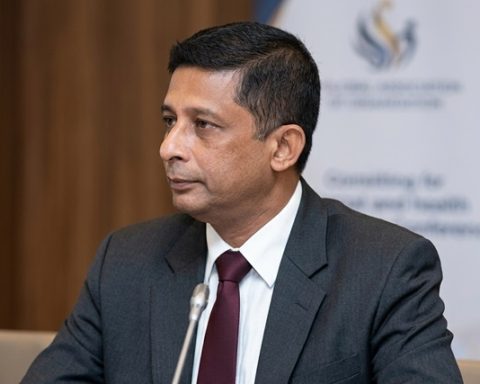
Extremists are finding new ways to evade online moderation and radicalise young people, with platforms ranging from TikTok to gaming sites like Roblox increasingly serving as recruitment grounds. Moustafa Ayad, executive director at the Institute for Strategic Dialogue (ISD), highlighted the urgent need for authorities and tech companies to counteract these sophisticated tactics, reported The Times.
The issue has become a growing concern as children now make up 13 per cent of those investigated by MI5 for terrorism-related activities—a figure that has tripled in just three years. Ken McCallum, MI5’s director general, called this rise “deeply troubling,” emphasizing the harmful impact of online extremism on young minds.
The UK Home Office recently introduced new anti-terror measures that could restrict children’s internet access. While such powers aim to curb radicalisation, Ayad expressed scepticism about their effectiveness. “If someone is really into the ideology, they’re going to find ways to get around that. The solution lies in outcompeting extremist ideas, not merely restricting access,” he told The Times.
Ayad noted that extremist groups like Islamic State (IS) and far-right organisations are using mainstream platforms to bypass moderation. They often obscure banned symbols, embed messages within memes, and manipulate features like TikTok’s audio-sharing tool to spread propaganda. A video featuring a former IS spokesman garnered 634,000 views, while related audio was reused in dozens of other clips.

White supremacist and jihadist narratives increasingly overlap, with ideologies cross-pollinating to create hybrid concepts like “white jihad.” Experts also warn of the multiplatform nature of radicalisation, with extremists exploiting Discord, Telegram, WhatsApp, and even gaming platforms to reach younger audiences.
A 2021 ISD study of Discord found that most users in white supremacist channels were teenagers, with an average age of 15. Earlier this year, ISD researchers identified thousands of extremist videos on Facebook. Despite their explicit nature, these videos remained accessible and were widely shared.
The Metropolitan Police, supported by the Five Eyes intelligence alliance, has called for a “whole society” approach to tackle youth radicalisation. This includes empowering parents to monitor children’s online activities, expanding law enforcement capabilities, and urging tech companies to take greater responsibility.
Matt Jukes, head of counterterrorism policing for the Met, stressed the need for collaboration: “Many threads have to come together if we are to stop this conveyor belt leading children towards extremism.”