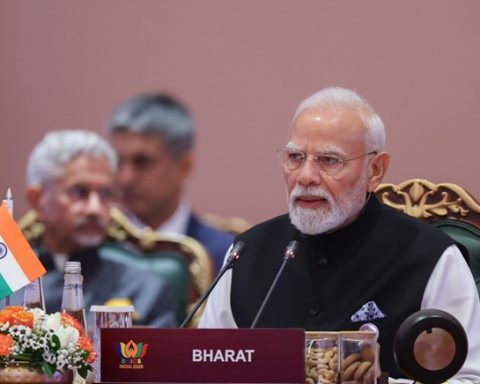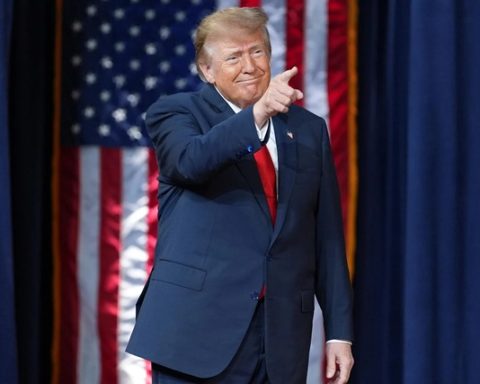
India is preparing to capitalize on its vast untapped oil reserves as part of a bold strategy to strengthen its domestic oil production and reduce its reliance on costly imports. Amid mounting trade pressures from the U.S. and concerns over President Donald Trump’s ongoing tariff policy, which has already led to significant trade restrictions on steel and aluminum, experts see India’s oil exploration potential as an opportunity to boost local industries and mitigate future trade imbalances.
Currently, India imports a staggering 87% of its oil, spending over $132 billion annually on crude oil imports. However, the country is sitting on an estimated 22 billion barrels of untapped oil reserves, located in underexplored basins like Mahanadi, Andaman, Bengal, and Kerala-Konkan. These reserves, found in lesser-known Category-II and Category-III sedimentary basins, are estimated to contain more oil than the Permian Basin in the United States, which has already produced 14 billion of its 34 billion barrels of recoverable reserves.
Rahul Chauhan, an upstream analyst at S&P Global Commodity Insights, believes that India’s vast unexplored oil and gas sector is primed for significant growth. “With ONGC and Oil India already holding acreages in the Andaman waters under the Open Acreage Licensing Program (OALP), there’s potential for major discoveries, particularly with the entry of an international oil company experienced in deepwater and ultra-deepwater exploration,” Chauhan said.
Despite only 10% of India’s 3.36 million square kilometers of sedimentary basins currently under exploration, the Indian government is aiming to increase this figure to 16% in 2024, following the upcoming OALP bidding rounds. The OALP program allows companies to bid for exploration rights and carve out areas for oil and gas exploration throughout the year. So far, 144 blocks covering about 244,007 square kilometers have been awarded under the program.
India’s Petroleum Minister, Hardeep Singh Puri, has highlighted the sector’s potential, estimating that India’s oil and gas exploration activities could attract up to $100 billion in investments by 2030. “Our Exploration and Production (E&P) activities offer immense opportunities, and we are working towards increasing our exploration footprint to tap into these reserves,” Puri said.
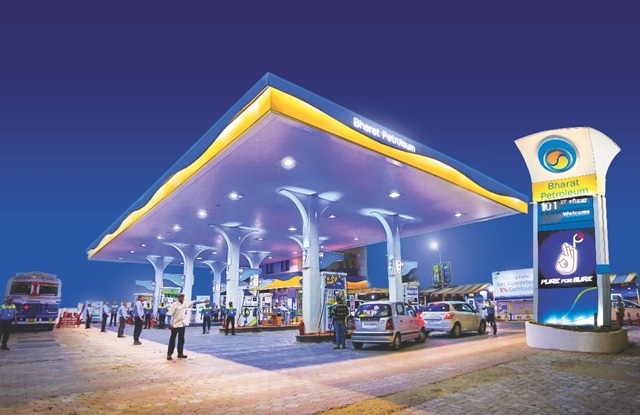
India’s increasing emphasis on domestic oil production is likely to attract interest from major global energy companies. BP, a British energy giant, has already formed a joint venture with Reliance Industries to operate 1,900 fuel retail stations across India and develop deepwater projects in the Krishna-Godavari Basin. The partnership with ONGC for offshore exploration rights demonstrates India’s appeal as an attractive destination for oil majors looking to diversify their portfolios.
The potential for major discoveries in India’s deepwater basins is also evident. The Oil and Natural Gas Corporation (ONGC) is already investing heavily in deepwater projects, particularly in the Krishna-Godavari Basin, where it plans to spend over $10 billion to develop its KG-DWN-98/2 block. Meanwhile, Oil India Ltd is making progress with exploration activities in Nagaland, where it is pursuing government approval to resume drilling operations.
India is poised to become the global driver of oil demand growth, overtaking China in the next decade. As China’s demand growth slows down due to its rapid transition to clean energy, India’s burgeoning population and relatively low adoption of electric vehicles suggest that the country will continue to be a major consumer of oil. Analysts predict that India’s share of emerging market oil demand will double to 24% by the 2030s, while China’s share will fall to just 15%.
“India’s role in global oil demand growth will accelerate, as it stands to benefit from its large, growing population and its slower transition to alternative energy,” said Emma Richards, senior analyst at Fitch Solutions.
With the U.S. imposing tariffs and global oil prices fluctuating, India’s focus on tapping into its own oil resources represents a strategic shift aimed at reducing its dependence on imports and securing long-term energy stability. By increasing exploration efforts and attracting international investment, India is positioning itself as a key player in the global oil market, with the potential to transform its energy sector and reduce economic vulnerabilities in the years ahead.