Mauritius has rejected a key deal with the UK regarding the future of the Chagos Islands, leaving Sir Keir Starmer with just weeks to salvage the agreement before Donald Trump’s inauguration on January 20, according to The Times.
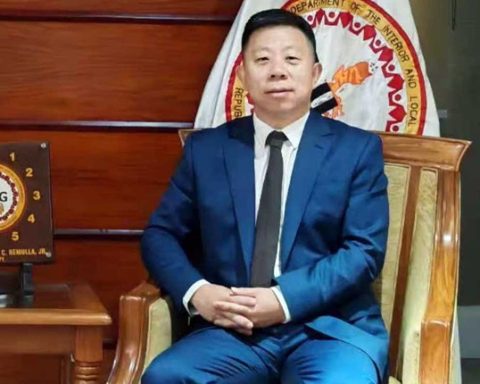
The UK government had been engaged in a diplomatic push to secure a new agreement with the incoming administration in Mauritius after negotiating a deal with the previous government. The proposed deal included the lease of Diego Garcia, a crucial US military base located in the Chagos Islands, in exchange for millions of pounds in compensation. However, the new Mauritian prime minister, Navinchandra Ramgoolam, has expressed dissatisfaction with key aspects of the deal, notably the compensation terms and the length of the proposed 99-year lease. His deputy, Paul Bérenger, also criticized the British offer, accusing them of “nitpicking” over compensation for the use of the islands over the past six decades.
The Chagos Islands, which were separated from Mauritius in the 1960s, have been a longstanding point of contention. Following Mauritius’s independence in 1968, the UK retained control over the islands, and the native Chagossians were forcibly removed to make way for a strategic US military base on Diego Garcia. The base, capable of hosting nuclear-capable B-52 bombers, remains a pivotal asset for the United States. The Mauritian government has long sought sovereignty over the islands, citing a UN ruling in 2019 that awarded the Chagos Islands to Mauritius.
Despite the growing tensions, Sir Keir Starmer is determined to respect the UN ruling, which saw support from countries like Russia, China, and Syria. Starmer’s position has been reinforced by his close connection to Philippe Sands KC, who represented Mauritius in its legal battle for sovereignty over the islands. Yet, the challenge of finalizing the deal has intensified, as Ramgoolam and his government are now demanding more favorable terms.
Meanwhile, some members of the incoming Trump administration have voiced opposition to the deal, fearing that handing control of Diego Garcia to Mauritius—an ally of China—could jeopardize the security of the US base. The location of Diego Garcia, more than 1,300 miles from Mauritius’s capital, Port Louis, complicates the issue further.
To expedite the process, the UK sent Jonathan Powell, its national security adviser, to meet with officials in Mauritius and Washington DC. Powell’s mission is to push for the deal’s completion before Trump takes office, which would potentially see a shift in US priorities regarding the strategic importance of the islands.
In a bid to sway the Mauritian government, US Secretary of State Antony Blinken intervened, offering to strengthen economic ties with Mauritius. This follows Mauritius’s 2019 free trade agreement with China, the first such deal between China and an African nation. However, despite diplomatic pressure from both the UK and the US, Ramgoolam remained firm in his stance, signaling the need for renegotiation.
Speaking to the Mauritian parliament after a call with Blinken, Ramgoolam remarked: “We have made a counter-proposal which will be transmitted to him,” underscoring the ongoing tension surrounding the deal. Deputy Prime Minister Bérenger added, “There are certain things that we cannot accept if we are true patriots,” referring to what he deemed inadequate compensation for the decades of British control over the islands.
The proposed agreement under Starmer’s leadership would have allowed Chagossians to visit the islands but not return permanently to Diego Garcia, the only inhabitable island. The deal also included financial compensation and the recognition of the Chagossians’ plight, though critics argue that the compensation is insufficient given the history of their forced displacement.