As the war in Iran enters its fourth week, analysts are warning that the Trump administration’s assumptions and strategic miscalculations have significantly contributed to the conflict’s devastating trajectory. What was anticipated to be a brief, decisive military campaign has instead morphed into a protracted struggle, exposing vulnerabilities in U.S. planning, intelligence assessments, and regional alliances. Experts suggest that these missteps may have inadvertently strengthened Tehran’s capacity to wage asymmetric warfare, raising risks for global energy markets and regional stability.
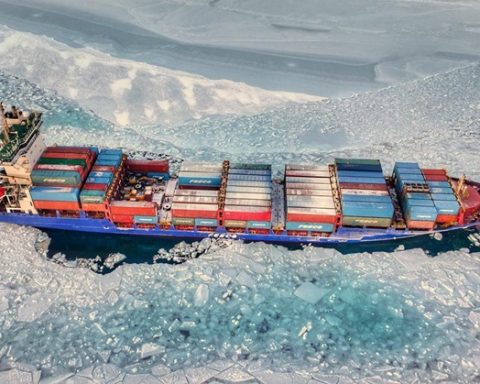
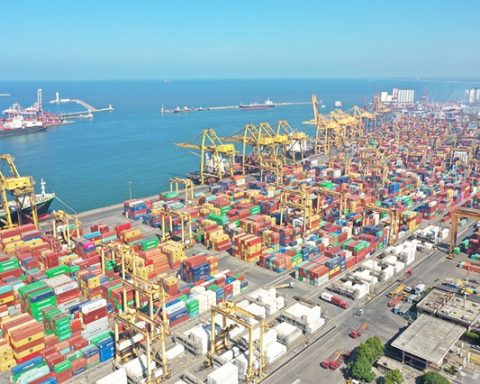
From the outset, U.S. planners appeared to discount or misinterpret Tehran’s likely responses. Among the most glaring errors was the apparent underestimation of Iran’s willingness and capability to disrupt the Strait of Hormuz, a strategic chokepoint through which a significant portion of the world’s oil supply transits. Multiple senators highlighted this oversight during Wednesday’s Worldwide Threats hearing, framing it not merely as a gaffe but as an example of profound foreign policy misjudgment. Decades of wargames, intelligence simulations, and tabletop exercises—conducted by think tanks, military academies, and intelligence agencies—had consistently identified Iran’s potential for economic warfare and protracted attrition. Yet these lessons seem to have been overlooked or dismissed in policy execution.
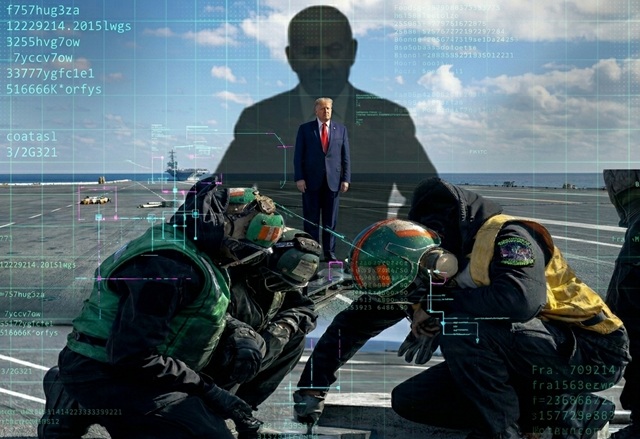
Strategic communications have compounded the problem. In early statements, President Trump described the conflict as “very complete, pretty much” and suggested it could be resolved within two or three days. Reality, however, has diverged sharply. The Pentagon is now seeking an additional $200 billion to support operations in the region, and a Marine Expeditionary Unit is en route from Asia to bolster the more than 50,000 troops already deployed. The Israeli military has escalated attacks on Iranian energy infrastructure, striking the South Pars gas field and provoking retaliatory strikes across the Gulf, including ballistic missiles fired at Saudi, Qatari, and Israeli sites. Despite overwhelming firepower, U.S. forces have lost at least sixteen aircraft, including ten Reaper drones, and even an F-35 stealth fighter was forced to land after reportedly being struck by an Iranian missile.
These setbacks illustrate not only Tehran’s resilience but also the limits of U.S. assumptions about the efficacy of conventional military superiority. Iran has weathered decapitation strikes and systematic targeting of its command-and-control infrastructure, yet continues to operate through asymmetric tactics, such as employing low-cost drones to deplete expensive THAAD and Patriot missile systems. The Soufan Center, an independent intelligence and security analysis group, notes that Iran’s mosaic defense strategy and willingness to escalate across the region have effectively transformed Gulf states into unintended battlegrounds, undermining the protective rationale for hosting U.S. bases.
Complicating matters further is the administration’s inconsistent diplomacy. President Trump has oscillated between soliciting assistance from U.S. allies and disparaging them, undermining efforts to secure collective action for objectives like reopening the Strait of Hormuz. Simultaneously, internal missteps have weakened U.S. operational capacity. Just as hostilities began, the Navy decommissioned four specialist minesweeping vessels, while the State Department downsized its Near Eastern Affairs Bureau, eliminating a dedicated Iran office. Such moves have exacerbated the challenges of executing a coordinated strategy in a complex theater of operations.
The human and geopolitical stakes are mounting. The war has inflicted damage not only on Iran but also across the Gulf, including missile and drone strikes targeting civilian infrastructure and energy facilities. Even if Iran cannot win a conventional war against the United States and Israel, its asymmetric approach promises a Pyrrhic victory for its adversaries. By preserving a core of experienced regime figures and weaponry, Tehran could sustain a prolonged insurgency, destabilizing the region for years. Analysts warn that a surviving hardcore of the Iranian regime could accelerate nuclear ambitions as a hedge against future attacks, potentially igniting a broader nuclear arms race in the Middle East.
The conflict has also highlighted the misalignment between U.S. and Israeli objectives. Director of National Intelligence Tulsi Gabbard noted during the House hearing that President Trump’s goals differ from those of Israeli leadership, which has consistently pushed for regime collapse in Tehran. Attempts to mediate between divergent approaches have produced mixed results, with statements indicating that the U.S. will refrain from deploying ground troops even as Israeli officials consider escalatory options. Such dissonance adds layers of uncertainty to the theater, raising questions about coordination and long-term outcomes.
Meanwhile, operational realities on the ground continue to challenge U.S. assumptions about technological and tactical dominance. Iranian forces have disabled high-tech radars, expanded the use of mobile missile launchers, and relied increasingly on drones to circumvent costly missile defense systems. The Soufan Center highlights that while U.S. military performance remains technically impressive, leadership inconsistencies and strategic miscalculations jeopardize mission success. Prolonged funding requests and troop deployments suggest Washington is preparing for an extended campaign, with the potential for further escalation across the region.
As this conflict stretches into weeks with no clear resolution, it highlights the peril of underestimating a determined adversary. Misplaced assumptions, overconfidence in quick-strike capabilities, and erratic communications have turned what was envisioned as a decisive operation into a grinding, multifaceted war. With Tehran maintaining resilience, Gulf states exposed, and global energy markets at risk, analysts warn that the consequences of these miscalculations may reverberate far beyond the Middle East, shaping regional dynamics and U.S. strategic credibility for years to come.