Myanmar’s military has intensified its attacks on civilians to unprecedented levels in the past year, resulting in the highest civilian death toll since the military coup four years ago, according to a UN Human Rights Office report released on Friday.
The analysis reveals that as the military’s control over the country has weakened, it has resorted to increasingly brutal measures to maintain power. Retaliatory airstrikes, artillery shelling, and targeted violence against civilian-populated areas have escalated, displacing thousands and causing mass casualties. The military also forced thousands of young people into military service, conducted arbitrary arrests, and obstructed humanitarian access, even during natural disasters.
The Assistance Association for Political Prisoners (AAPP) reports that over the past four years, at least 6,231 civilians have been killed by the military, including 1,144 women and 709 children. In 2024 alone, at least 1,824 people were killed, including 531 women and 248 children, marking a significant rise from the 1,639 deaths in 2023.
UN Human Rights Chief Volker Türk condemned the continuing escalation, saying, “Even as the military’s power wanes, their atrocities and violence have expanded in scope and intensity.” He expressed grave concern over the deepening crisis, noting that the military’s actions—designed to intimidate and punish the population—have led to widespread suffering, including indiscriminate attacks, denial of aid, and systematic human rights violations.
Among the documented atrocities are beheadings, mutilations, torture, and executions, all carried out with impunity. Many villages, even in the absence of active combat, were targeted by military forces, likely in retaliation for anti-military group advances elsewhere. Civilians bore the brunt of this violence, with crucial infrastructure such as schools, healthcare facilities, and public spaces destroyed, exacerbating the humanitarian crisis.
While anti-military armed groups also committed abuses in 2024, the military’s actions have been far more devastating in scale. This includes extensive violence in Rakhine State, where the Rohingya population has found themselves caught between warring factions, with their villages burned, their youth conscripted into the military, and their access to humanitarian aid severed. Many Rohingya have been forced into displacement, with thousands seeking refuge in Bangladesh or risking perilous sea journeys in search of safety.
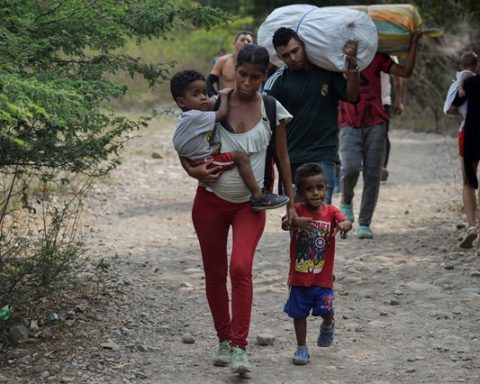
The report also highlights the dire humanitarian needs in Myanmar, with nearly 20 million civilians requiring assistance and over 3.5 million displaced, a third of them children. Forced recruitment by the military, including from vulnerable communities like the Rohingya, has led to widespread fear, with many young people fleeing the country, further crippling the nation’s workforce.
Türk called for urgent international intervention to end the violence and provide humanitarian aid. He stressed the need for accountability for the perpetrators of these crimes, emphasizing that any lasting solution must be grounded in justice. He also urged countries in the region to use their influence to demand the military cease its attacks and allow unhindered aid to those in need.
The international community’s role in ending impunity and ensuring a sustainable political solution is crucial, Türk concluded. Until accountability is achieved, the suffering of the Myanmar people is likely to continue.