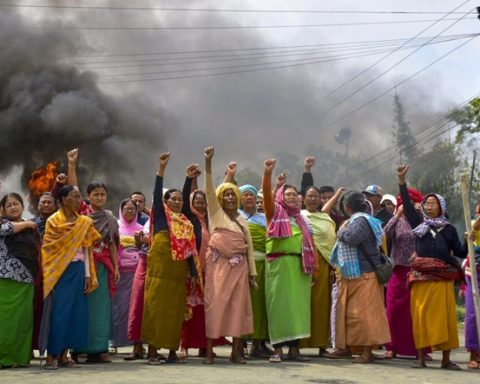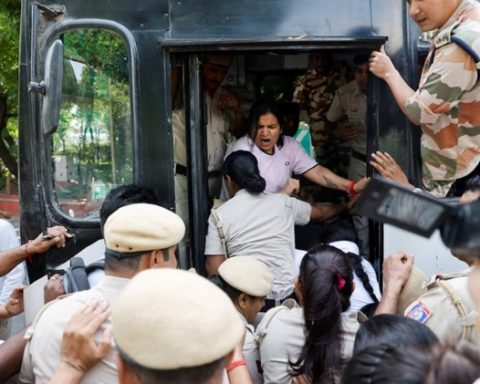
India has long grappled with a complex and often violent struggle between the government and various insurgent groups, most notably the Naxalites. Rooted in radical leftist ideology, Naxalism originated as a response to agrarian distress and socio-economic inequality in many regions of India. Despite the Indian government’s claims of addressing these issues, concerns persist over human rights violations, forced land seizures, and an increasing military presence aimed at suppressing dissenting voices.
Naxalism began in the late 1960s with a peasant uprising in Naxalbari, West Bengal, against feudal exploitation. This movement symbolises a broader struggle against social injustice, landlessness, and poverty. Over the years, it has evolved into a decentralised network of armed groups, primarily active in India’s so-called “Red Corridor,” spanning central and eastern regions of the country.
The government often portrays Naxalites as terrorists, framing their activities as a direct threat to national security. This narrative has been used to justify heavy-handed tactics, including military operations, police crackdowns, and legal action against those perceived to sympathise with the Naxal cause.
Historically, the government’s approach to addressing the Naxalite issue has been twofold: military suppression combined with developmental initiatives. However, the focus has largely remained on military strategies, leading to increased human rights violations and an atmosphere of fear in affected regions. Legitimate grievances raised by Naxalites and their supporters are frequently dismissed, with forceful measures intensifying the cycle of violence.
Reports from various human rights organisations highlight a disturbing trend of abuses in Naxal-affected areas. Extrajudicial killings, torture, arbitrary arrests, and enforced disappearances have been documented by Amnesty International, Human Rights Watch, and others. Security forces often operate with impunity, targeting not only armed insurgents but also civilians accused of harbouring sympathies for the Naxalite cause.
The use of draconian laws, such as the Unlawful Activities (Prevention) Act (UAPA), has further fuelled a climate of repression. Under such legislation, individuals can be detained for extended periods without charge, with the burden of proof often shifted onto the accused. This legal framework has led to widespread abuse, particularly among marginalised communities caught in the crossfire.
Another pressing issue is the pattern of forced land seizures justified in the name of development and security. The government frequently prioritises infrastructure projects, mining operations, and other industrial expansions over the rights of local communities, leading to the displacement of indigenous populations and further aggravating the grievances that Naxalites seek to address.
The Land Acquisition Act, intended to protect landowners’ rights, is often manipulated to serve corporate interests at the expense of vulnerable communities. Those who resist land seizures are frequently labelled as Naxalites or anti-national, leading to further militarisation and violence.
In response to the Naxalite insurgency, the government has significantly increased military presence in affected areas, deploying paramilitary forces, special operations teams, and even the army. This heavy-handed approach has created a militarised atmosphere, fostering fear and distrust among local populations.
One critical shortcoming in the government’s approach to the Naxalite issue is its reluctance to engage meaningfully with the legitimate concerns driving the movement. The grievances of the Naxalites—such as land rights, social justice, and economic inequality—stem from historical injustices that have persisted for generations. Rather than addressing these issues through dialogue, the government has consistently chosen to reinforce its security apparatus, pushing some communities to see Naxalism as the only viable means of resistance.
While the government has introduced several development programmes to address poverty and underdevelopment in Naxal-affected areas, these efforts have often fallen short. Bureaucratic inefficiencies, corruption, and a lack of genuine engagement with local populations have undermined these initiatives. In many cases, development projects are viewed with suspicion, perceived as tools of oppression rather than genuine efforts to improve lives.
Moreover, the emphasis on military solutions has overshadowed the need for comprehensive policy reforms that address the root causes of Naxalism. Without meaningful investment in education, healthcare, and infrastructure, any attempts at pacification are likely to be temporary, leaving the underlying issues unresolved.
Civil society organisations play a crucial role in advocating for the rights of affected communities, documenting human rights abuses, providing legal aid to victims, and raising awareness about the socio-economic issues driving the Naxalite movement. However, these organisations frequently face harassment from the state, complicating their efforts.
Human rights activists who speak out against military actions or advocate for the marginalised are often labelled as Naxalite sympathisers. This hostile environment stifles dissent and undermines the potential for constructive dialogue between the government and affected communities.
Addressing the Naxalite issue requires a comprehensive strategy that extends beyond military intervention. The government must recognise the legitimacy of grievances and engage in meaningful dialogue with all stakeholders, including local communities, civil society, and even those within the Naxalite movement open to negotiation. A multifaceted approach that prioritises social justice, economic development, and human rights is essential to break the cycle of violence. This would involve addressing land rights, economic inequality, and ensuring accountability for human rights violations by security forces.
The Naxalite struggle highlights deep-seated socio-economic and political challenges facing India. The government’s unwillingness to address the concerns of the Naxalites and the affected communities has contributed to a tragic cycle of violence and repression. As human rights violations increase and forced land seizures continue, the need for a more nuanced and compassionate approach has never been more urgent.
A shift towards dialogue, accountability, and genuine development could pave the way for lasting peace in a region long marred by conflict. The path forward requires not just military might, but a commitment to understanding and addressing the fundamental issues at the heart of the Naxalite struggle. Only through such an approach can India hope to resolve this complex conflict and foster a society where justice and equality prevail for all.