The state cannot take Decisions abruptly overnight; it follows a series of processes to identify enduring strategic objectives. For that matter, viewing Pakistan’s October 9 strikes on Afghanistan as a counter-response to Afghan foreign minister Amir Khan Muttaqi’s visit to India is totally misleading and is not based on concrete evidence. States are not formed on the promise of diplomatic triumphs but on the promise to secure their citizens from any aggressors and terrorist groups.
Since 2021, the terrorist group, Tehrik-i-Taliban Pakistan (TTP), has waged 1200 attacks in Pakistan and cost the lives of 2500 citizens from both civil and military. In 2024, attacks increased significantly, and the ratio rose from 63% to 73%, resulting in 1612 fatalities. These statistics are a strong call to the Pakistani state to show adherence to its commitment to secure its border and citizens from terrorists.
According to Pakistan’s official, the strike was a retaliatory response to the deadly attack in Orakzai District by the TTP on 7-8 October that killed 11 Pakistan Security personnel, including a Colonel and a Major rank officer. The strikes were not a reaction to diplomatic engagement but targeted militant build-ups on Afghan soil, which have become a launchpad for the Baloch Liberation Army (BLA) and TTP since 2021.
The Islamic Emirate of Afghanistan (I.E.A) have an ideological lineage with TTP: inspired by the expansionist doctrine. Afghanistan is a haven for TTP and other hostile groups because of the I.E.A.’s assistance. Linking Pakistan strikes to Foreign Minister Muttaqi’s Visit is a deliberate attempt to overlook the regional sensitivity and Pakistan’s counter terrorism efforts.
No country in the world is allowed to take dictation from other countries, but it is irrational to exercise diplomatic autonomy without terminating terrorist outfits from its soil. Pakistan’s Defence Minister, Khawaja Asif, emphasized that Afghanistan has the right to engage with other countries in its own best interests. However, it should not allow or facilitate any hostile group that could threaten regional stability or sabotage peace and efforts at cooperation.
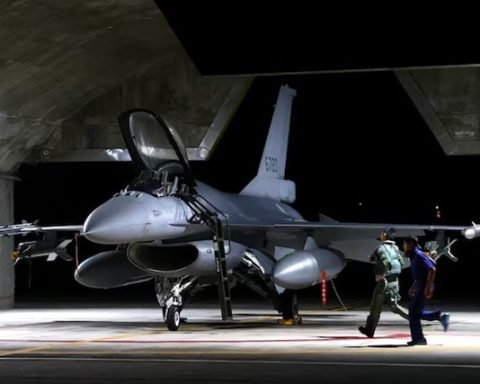
The recent strikes in Afghanistan are not a new phenomenon. Pakistan has been punished hard in past as well when the non-state actors used Afghan soil to target the military and civil infrastructure of Pakistan. It is evident from the attacks before Pakistan only targets TTP sanctuaries and avoids collateral damage, civilian areas, using its high-tech precision strike capabilities.
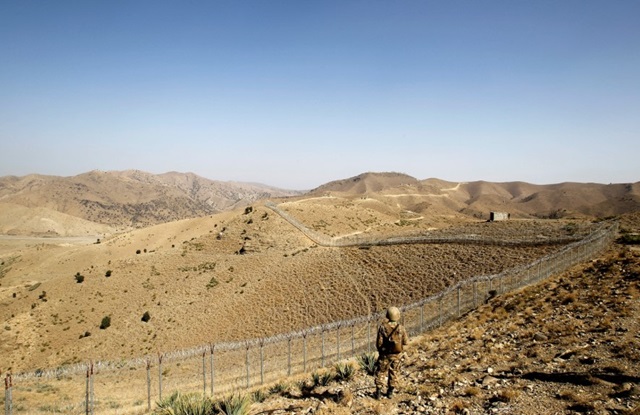
On the night of October 11, the Taliban regime launched attacks along the entire Durand line. The Taliban urged that the assault was a direct response to Pakistan for violating its sovereignty. However, Pakistan’s strikes were limited to targeting the internationally banned TTP, the terrorist organization, and the Afghan Taliban attacked a security post near Spin Boldak in Chaman. In the swift response, Pakistan security forces killed 15 attackers.
The Retaliatory response of Afghanistan was a shocking wave for the whole region. Instead of promoting regional cooperation, such as the Moscow Format and fulfilling the tenets of the Doha Agreement, to control terrorism, they waged a war on Pakistan, which lacked any rationale to support their action.
In the middle of peace talks in Doha, on October 17, 2025, a drone from Afghan territory hit a Pakistani security post in Bajaur District. As a result of the attack, Sepoy Moeinullah was martyred, while wounded Sepoy Fawad. The event shows cynicism on the Afghan side. On October 18, the Pakistan Air Force targeted Hafiz Gul Bahadur Group’s hideouts in Khost and Paktiya. As a result, 40-50 militants, including top commanders, were killed in the earlier attacks in Orakzai and North Waziristan.
Among the attacks, key Khawarij leaders were eliminated, among them were Farman Alias Akrama, Sadiq Ullah Dawar, Ghazi Mada Khel, and many others linked to suicide bombing in Pakistan. According to the Director General of the Inter-Service Public Relations (ISPR), India is covertly assisting the hostile groups in Afghanistan and Separatist groups such as BLA in Balochistan.
Pakistan recognizes the fact that there is no connectivity in the region without Afghanistan. Pakistan has always prioritized peace efforts because Afghanistan is the key regional player to connect South Asia with the Central Asian countries. Since August 2021, Pakistan’s foreign minister has visited four times, raising several issues and offering assistance in several domains. In addition, the defence minister and the Director General of the Pakistan Intelligence Agency visited twice, and the special representatives visited five times.
There were also five secretary-level visits, including one by the National Security Advisor, and eight joint committee meetings. On the border, 225 flag meetings were held along with 836 protest notes and 13 formal demarches. These efforts are a clear indication of Pakistan’s commitment to peace, while its defensive actions comply with international law and the UN charter’s right to self-defence.
It has been evident from history that Afghanistan has always chosen chaos and intruders over peace and stability. The message is loud from civil-military leadership of Pakistan, Kabul now has a two-choice: end support for the terrorists or accept the consequences of violence and instability. Islamabad remains committed to peace, but it will defend its borders in accordance with International law.