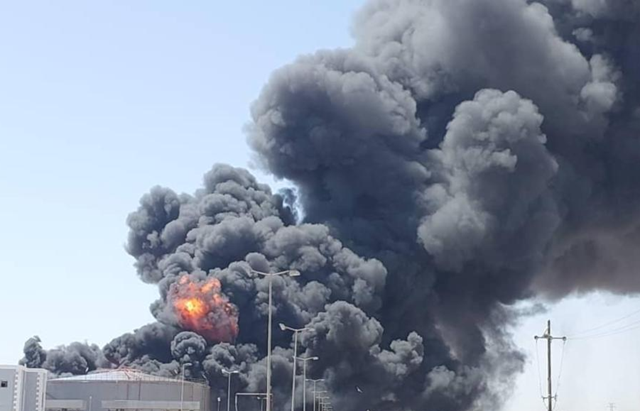
Port Sudan, once a neutral bastion in the Horn of Africa, is now the frontline in a growing proxy war between two of the Middle East’s most powerful players: Turkey and the United Arab Emirates (UAE). Once home to foreign embassies and international aid operations, the Red Sea port city has recently come under sustained attacks from kamikaze drones and artillery strikes as the conflict in Sudan takes a dangerous regional turn.
At the center of the war are Sudan’s two rival factions: the Sudanese Armed Forces (SAF), which sources claim are being rearmed by Turkey, and the Rapid Support Forces (RSF), reportedly backed by the UAE. The RSF has been observed using Chinese-made drones traced to arms supply routes through Chad, suggesting a sophisticated and sustained external military support operation.
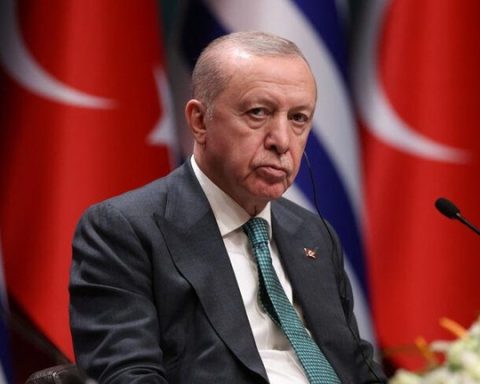
Turkey, meanwhile, has covertly supplied the Sudanese army with an estimated $120 million in Bayraktar drones. In a major escalation this May, one of these Turkish drones is said to have bombed a UAE cargo aircraft in Nyala. The RSF responded by launching a three-day assault on Port Sudan, targeting Turkish drone hangars, diplomatic compounds, power stations, and humanitarian aid infrastructure.
The stakes go beyond military dominance. The UAE is eyeing control of Sudan’s Red Sea ports to secure maritime trade routes and access to lucrative gold and rare earth mineral resources—over $2 billion in Sudanese gold has been smuggled since 2018 alone. Turkey’s interests, dating back to a 99-year lease agreement for the Suakin port, are similarly strategic, though that deal has now stalled due to the ongoing violence.
As RSF forces push toward Darfur and government troops advance westward, the conflict risks spilling over into neighboring Chad and South Sudan—raising alarms across an already fragile region.
The clash also casts a shadow over broader geopolitical efforts like China’s Belt and Road Initiative, which relies heavily on Red Sea access to connect Asian markets to Africa and Europe. While China has invested heavily in infrastructure across the region, proxy conflicts like the one unfolding in Sudan reveal the growing vulnerabilities along its trade corridors.
In a region where foreign investments, resource control, and strategic ports converge, Sudan has become more than a civil war battleground—it is now a testing ground for competing global visions of influence and dominance.