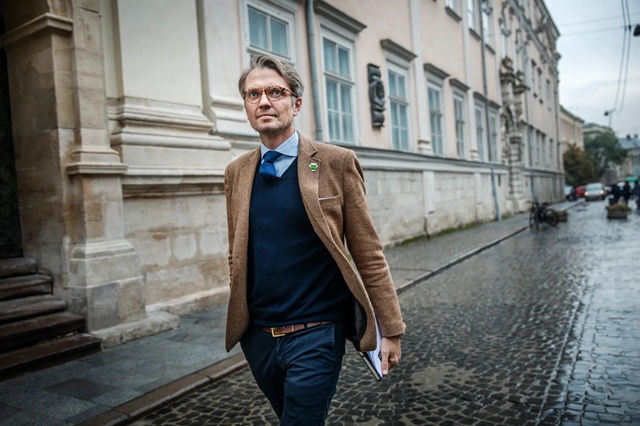
Sweden’s efforts to enhance its strategic and security posture suffered a fresh blow on Thursday after newly appointed national security adviser Tobias Thyberg resigned just hours into the role, following revelations of a compromising image from a past dating app profile.
As reported by the Financial Times, Thyberg’s departure marks the second resignation from the high-profile post this year, raising serious questions about Prime Minister Ulf Kristersson’s judgment and the robustness of Sweden’s national security vetting processes.
Thyberg, who had only recently served as Sweden’s ambassador to Ukraine, stepped down after Swedish daily Dagens Nyheter inquired about a “sensitive image” allegedly from his former Grindr account. Experts warned that such material could be exploited for blackmail, presenting a serious vulnerability in a role as sensitive as national security adviser.
The abrupt resignation follows the earlier exit of Henrik Landerholm, who left the post amid accusations of mishandling classified information. Landerholm, a longtime personal friend of Kristersson, was charged after leaving confidential documents in an unlocked hotel safe. Reports also claim he misplaced a mobile phone at the Hungarian embassy and a notebook at a Swedish radio station—allegations he denies.
Prime Minister Kristersson responded to the latest incident by acknowledging a “system failure” and emphasized the gravity of the oversight. “It is very serious,” he said Friday, expressing disappointment that Thyberg had not previously disclosed the image. Johan Stuart, a state secretary in Kristersson’s administration, confirmed the government had no prior knowledge of the image, describing the issue as “obviously serious.”
Thyberg admitted fault, telling Dagens Nyheter, “I should have informed [the government] about this but I did not.”
The series of blunders has cast a shadow over Sweden’s ambitions to play a more assertive role in European security. Kristersson had created the national security adviser position in an attempt to elevate Sweden’s strategic influence, especially in the wake of its NATO accession process and regional tensions following Russia’s 2022 invasion of Ukraine.
However, as the Financial Times notes, key regional diplomatic initiatives—such as peace efforts in Ukraine and transatlantic coordination—have recently been led by Finnish President Alexander Stubb and Norwegian Prime Minister Jonas Gahr Støre, not Sweden, despite it being the region’s most populous country.
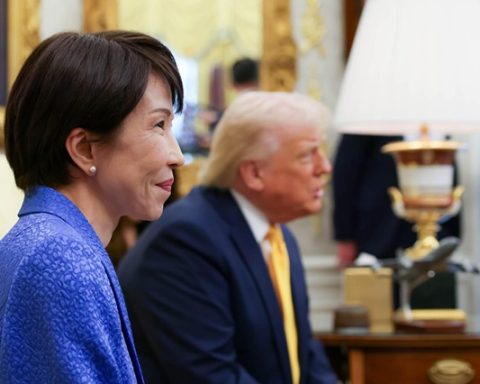
This contrast in leadership was further highlighted during the Joint Expeditionary Force summit in Oslo, which Thyberg was due to attend before his resignation. While Finland and Norway engaged directly with U.S. President Donald Trump and Ukrainian President Volodymyr Zelenskyy, Sweden’s credibility appeared undermined by internal turmoil.
Sweden’s NATO application itself was delayed for nearly a year due to various diplomatic hurdles, in contrast to Finland’s smoother entry into the alliance.
Still, Kristersson has signaled a strong commitment to strengthening national defense, announcing in March that military spending would rise from 2.4% to 3.5% of GDP by 2030, reversing decades of post-Cold War cuts.
As Sweden begins yet another recruitment process for the post of national security adviser, analysts say restoring credibility and competence at the highest levels of its security apparatus is now an urgent priority.