Editorial
The New Year arrives with its familiar trick: a new number that politely suggests improvement without requiring it. Calendars change obediently; behaviour less so. Optimism is briefly reheated, promises are generously exchanged, and by the time the first bank holiday appears, most ambitions have quietly returned to storage. Still, this annual performance persists because it allows a comforting fiction — that renewal is automatic, and that intention alone counts for progress.
Political engagement has not disappeared; it has been diluted. Social media has perfected the illusion that reaction equals resistance and that being loud is a substitute for being effective. A post is written, agreement accumulates, dopamine is released, and nothing else happens. This is not apathy — it is fatigue disguised as participation. Anger now travels faster than organisation and expires faster than memory. Power, predictably, remains unmoved by all of it.
Polarisation thrives in this climate, not because ideas are stronger, but because identities are weaker. Opinions are worn like uniforms, defended reflexively and abandoned only at social cost. To admit uncertainty is to risk exile; to revise a view is to invite suspicion. Platforms reward confidence, not thought, and punishment is swift for those who hesitate. Division is efficient. It simplifies populations into camps and makes them easier to manage, flatter, or frighten.
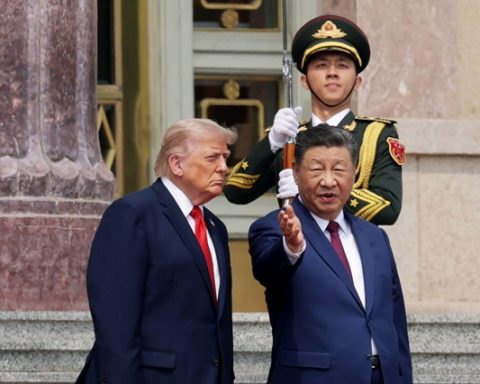
While arguments multiply online, authority consolidates quietly offline. Strong personalities continue their steady return, offering decisiveness to societies tired of nuance. Institutions, inconvenient by nature, are rebranded as obstacles. Rules become negotiable, norms adjustable, oversight optional. None of this requires drama. It advances through practical language and reasonable tones until resistance feels excessive and restraint begins to seem outdated. History has seen this pattern often enough to recognise where it tends to end.
Inequality no longer shocks; it blends in. It has become part of the background noise of modern life, explained away as complexity or inevitability. Opportunity is still promised enthusiastically, even as security is rationed carefully. Those with the least protection are praised most for their adaptability. Flexibility, resilience, and entrepreneurship sound inspiring until one notices who is expected to practise them endlessly and who is spared the lesson entirely.
Climate change continues with little interest in rhetoric. It does not negotiate, wait, or compromise. Its consequences are selective, arriving first where protection is weakest and resources thinnest. Environmental damage exposes long-standing hierarchies with uncomfortable clarity. Progress exists, but it is slow, contested, and rarely celebrated at the moment it is most needed. Meaningful response remains less attractive than delay, particularly to those insulated from immediate harm.
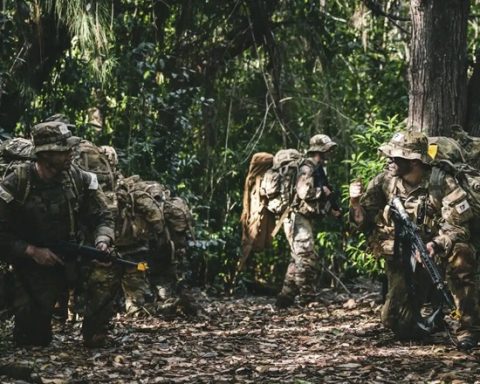
Technology, meanwhile, advances with enthusiasm and limited supervision. Artificial intelligence is praised for speed and efficiency, qualities that are valuable until they replace judgement rather than assist it. In civilian life, this means automation without accountability. In military use, it means distance without hesitation. Decisions that once carried moral weight risk becoming technical outcomes. Machines do not wrestle with conscience; they execute instructions precisely as given, which should worry anyone who has met the people writing them.
Violence, too, has become more intimate. Alongside organised threats are acts emerging from isolation, resentment, and private radicalisation. These are not mysteries. They develop where inequality persists, communities thin, and grievance finds reinforcement rather than challenge. Security responses address symptoms efficiently while causes remain carefully untouched.
The New Year offers no remedy for any of this. It does, however, expose a choice. Comfort or attention. Performance or responsibility. Reaction or thought. Thinking beyond the like and share button is now unfashionable, time-consuming, and occasionally lonely — which may explain why it matters. Humour helps, not as distraction, but as clarity. It punctures pretence, unsettles certainty, and reminds us that seriousness without self-awareness is merely another form of noise.