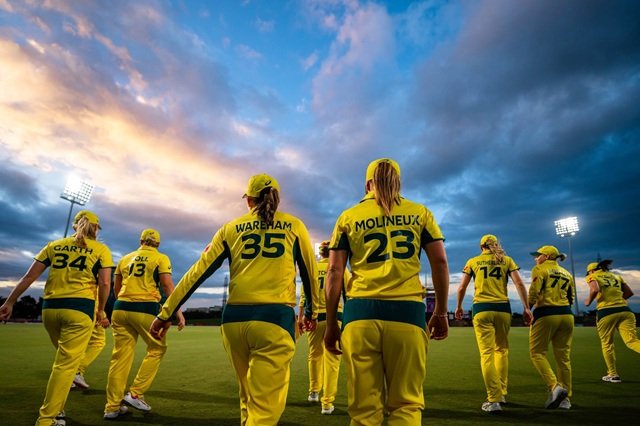
A United Nations expert has warned that racism, racial discrimination, xenophobia and related intolerance remain deeply entrenched across all levels of sport worldwide, urging states and sporting bodies to take coordinated action to address systemic inequalities and ensure equal participation.
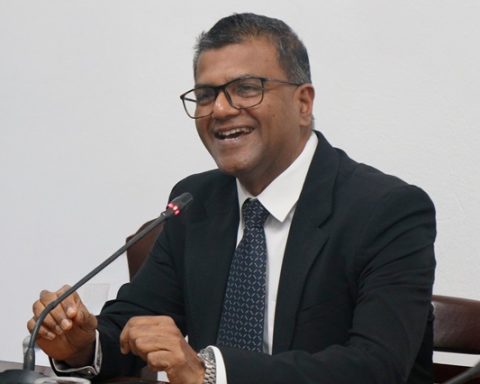
Presenting a report to the Human Rights Council, Ashwini K.P., the Special Rapporteur on contemporary forms of racism, racial discrimination, xenophobia and related intolerance, said that while sport has the capacity to promote inclusion, equality and social cohesion, it continues to reflect broader patterns of structural discrimination present in society.
The report states that access to sport remains unequal, with poverty, conflict, discriminatory regulations and limited representation creating significant barriers for marginalized racial and ethnic communities. The Special Rapporteur noted that socio-economic inequality, often rooted in historical and structural racism, continues to disproportionately affect these groups, limiting opportunities for participation and advancement in sport.
According to the findings presented, discriminatory eligibility criteria and selection policies have in some cases excluded athletes from racially and ethnically marginalized backgrounds. The report also highlights that persistent stereotypes continue to shape how athletes are identified, trained, selected and perceived within sporting systems, contributing to the underrepresentation of minority communities, caste-oppressed groups and other racialized populations.
The Special Rapporteur further raised concerns about the situation of transgender and intersex women in sport, calling for safe and inclusive environments that protect dignity, bodily autonomy and fundamental rights. The report does not detail specific cases but emphasizes the need for protections that ensure fair participation without discrimination.
It also documents ongoing incidents of racism in sport, including hate speech and abuse directed at both athletes and fans. These incidents occur in physical sporting environments as well as online platforms, reflecting what the report describes as persistent discriminatory attitudes that continue to affect sporting culture.
The report highlights the compounding impact of conflict and displacement on access to sport. It notes that athletes affected by war or forced migration often face disrupted infrastructure, restricted freedom of movement and limited access to training facilities and competitive opportunities. These conditions, the report states, further deepen existing inequalities in access to sport and related development pathways.
Ashwini K.P. emphasized that addressing discrimination in sport requires a human rights-based and intersectional approach. She said that states and sporting institutions must move beyond symbolic commitments and directly address the structural and historical roots of inequality. According to the report, this includes tackling long-standing injustices that continue to shape participation and representation in sporting systems.
The Special Rapporteur called on governments to ensure equitable access to sport by enforcing anti-discrimination measures, combating hate speech and strengthening accountability mechanisms. She also urged sports organizations, private sector actors and civil society groups to promote diversity, improve safeguards and adopt more inclusive governance structures.
In her remarks to the Human Rights Council, Ashwini K.P. stated that transforming sport into a space of genuine equality will require sustained political commitment and collective action. She stressed that dismantling exclusionary legacies is necessary for sport to fulfill its potential as a platform for dignity, justice, inclusion and broader social change.
The report concludes that without addressing the underlying structures that perpetuate discrimination, sport risks continuing to mirror and reinforce inequalities present in wider society, rather than serving as a force for equal opportunity.