US-German software firm Auterion is set to deliver tens of thousands of its artificial intelligence-powered drone “strike kits” to Ukraine as part of an effort to bolster Kyiv’s defenses against intensified Russian drone attacks.
Lorenz Meier, Auterion’s chief executive, told the Financial Times that the company will ship 33,000 AI strike systems to Ukraine before the end of 2025 under a new contract with the US Pentagon. This represents a tenfold increase compared to previous deliveries of the technology.
The company’s software is already integrated into Ukrainian drones conducting combat operations, but Meier described the latest contract as “unprecedented” in scale. “We’ve shipped thousands and we’re now shipping tens of thousands,” he said.
This move comes amid a surge in Russian drone assaults using hundreds of Iranian-designed Shahed attack drones per strike, overwhelming Ukraine’s air defenses and causing a dramatic rise in successful attacks on key urban centers. According to official data, strike rates have increased to roughly three times their previous frequency.
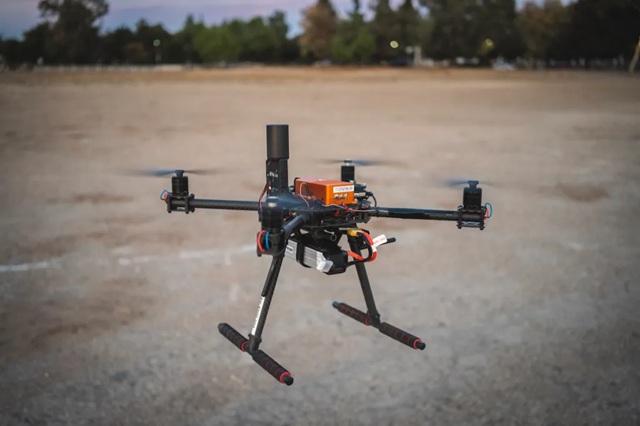
Auterion’s “strike kits” — small computers called Skynode equipped with cameras and radios — transform manually piloted drones into AI-enabled weapons systems capable of tracking moving targets from up to 1 kilometer away. The technology is designed to resist jamming and facilitate coordinated swarm tactics.
The Pentagon contract, valued at nearly $50 million, is part of US security assistance to Ukraine. However, Meier emphasized that this deal is separate from the larger drone cooperation initiative reportedly under discussion between Ukrainian President Volodymyr Zelenskyy and US President Joe Biden.
“Our company has pioneered US-Ukrainian co-production,” Meier told the Financial Times, highlighting the importance of battle-tested drone technology developed in Ukraine and its appeal to NATO allies. He added that Auterion aims to complement, rather than compete with, Ukraine’s robust domestic drone industry by focusing on advanced software-driven warfare capabilities.
President Zelenskyy recently noted that Ukrainian firms are producing interceptor drones but require more funding to scale manufacturing. He estimated that the total cost of drone-related efforts to date has reached $6 billion.
Looking ahead, Meier anticipates additional contracts for Auterion software from European nations, with the company maintaining offices in Munich. Germany, a major military supporter of Ukraine after the US, has committed to increased defense spending and is currently funding Ukrainian production of long-range drones.
Since the full-scale Russian invasion began in February 2022, Ukraine has emerged as a testing ground for cutting-edge military technology and is often referred to as the “drone capital of the world” due to its extensive drone parts supply chain.
Auterion’s software is expected to drive the “next evolution in warfare,” enabling swarms of autonomous drones to communicate and operate collaboratively, though human operators will continue to select targets.
“What we are providing is leapfrogging what’s on the battlefield right now, which is to go to AI-based targeting and swarming,” Meier said.