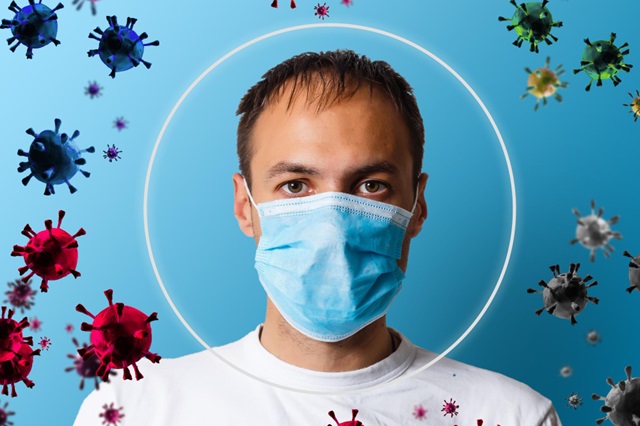
As the world reflects on the devastation caused by COVID-19, leading scientists and global health experts are sounding an even starker warning: the next pandemic—referred to as Disease X—could be more contagious, more lethal, and strike without warning. The global community must act now, or risk repeating past mistakes with potentially catastrophic consequences.
Dame Kate Bingham, who led the UK’s vaccine taskforce during the early stages of the COVID-19 pandemic, has cautioned that governments worldwide remain dangerously unprepared for future outbreaks. “Lessons must be learned, and fundamental change implemented,” she warned, criticizing the bureaucratic inertia that prioritizes paperwork over actionable readiness.
But this isn’t just a concern for the UK. A recent survey of more than 100 infectious disease experts suggests that Disease X could be an entirely new pathogen—one humanity has never encountered before. Despite this looming threat, many governments are falling back into complacency, failing to invest in the systems needed to prevent another global catastrophe.
A Global System Failing to Prepare
Professor Stephen Griffin, a virologist at the University of Leeds, highlights a troubling reality: since the end of the COVID-19 emergency, many governments have cut back investments in antiviral stockpiles, vaccine research, and pandemic preparedness. “There’s a dangerous belief that another pandemic is a century away, but the next global outbreak could be just around the corner,” he warns.
This lack of preparedness extends far beyond Europe. Across the globe, there is insufficient investment in essential infrastructure, such as modern ventilation systems in public spaces—systems that could drastically reduce the spread of airborne diseases. In contrast, countries like Japan and Taiwan effectively mitigated COVID-19’s impact through robust air filtration measures, avoiding harsh lockdowns while maintaining public health.
Missed Opportunities in Global Surveillance
One of the most alarming setbacks in pandemic readiness has been the dismantling of key surveillance programs. In 2022, the UK scrapped its wastewater monitoring system, a powerful tool that could detect viral outbreaks weeks before infections spike. This early-warning method could have global applications, providing crucial time to contain outbreaks before they escalate.
Professor Adam Kucharski, from the London School of Hygiene and Tropical Medicine, emphasizes the need for countries to learn from East Asia’s pandemic strategies, where efficient testing, contact tracing, and local containment measures helped limit virus spread and reduced the need for severe restrictions.
The Cost of Ignoring the Warning Signs
The long-term effects of COVID-19 offer a stark reminder of what’s at stake. Studies continue to reveal serious aftershocks: higher rates of heart disease, weakened immune systems, increased cases of type 1 diabetes, and long-term cognitive impacts, including reduced memory and attention spans.
The societal costs of lockdowns have also been severe. Rising childhood obesity, deteriorating bone health due to inactivity, and delayed language development in infants highlight the wide-ranging consequences of an overwhelmed and underprepared health system. Without significant investment, future pandemics could have even more devastating social, economic, and health impacts.
Signs of Progress—But Are They Enough?
There are some promising steps being taken. The UK government has announced a pioneering early-warning system using cutting-edge DNA sequencing to rapidly identify and respond to emerging pathogens. A large-scale pandemic-response simulation is also planned for later this year, involving thousands of participants from across government and healthcare services.
However, health experts warn that these initiatives alone are not enough. Professor Garrett Wallace Brown, an expert in global health policy, stresses the danger of over-reliance on vaccines. “Assuming we can develop a vaccine in time is a gamble—and one we may not win,” he cautions. Instead, comprehensive investment in healthcare infrastructure, global surveillance systems, and medical research is needed to strengthen defenses against Disease X.
A Global Wake-Up Call
The threat of Disease X is not science fiction—it’s a growing reality. Without urgent action, the world could once again face a crisis worse than COVID-19. As experts repeatedly warn, preparation isn’t just about responding to the next outbreak—it’s about preventing it from becoming a global disaster.
The question is no longer if it will happen—but when. Will the world be ready this time?