As Middle Eastern peace negotiations intensify, the European Union is taking steps toward establishing an independent intelligence agency to handle mounting security threats across Europe. This move, inspired by the CIA model, aligns with the recent recommendations of former Finnish President Sauli Niinistö, who presented a comprehensive report advocating for a centralized EU intelligence network to address foreign threats, sabotage, and espionage within EU borders. Niinistö’s proposal comes amid rising concerns over Russian influence and increased espionage activity in European capitals.
The proposed EU intelligence agency would bridge information gaps among member states, facilitating rapid response to security crises while maintaining the EU’s strategic independence in global intelligence. Niinistö’s blueprint underscores the urgency of the initiative, highlighting Russia’s active campaigns near EU borders and incidents involving sabotage attempts on European infrastructure.
Meanwhile, Egypt has facilitated critical backchannel dialogues between Israeli and Palestinian representatives. Egyptian officials, speaking to Al-Akhbar media, revealed plans for upcoming high-stakes discussions involving the Egyptian intelligence chief, CIA, and Mossad representatives, all set to conclude before the U.S. presidential election on November 5th. Israeli lawmakers recently enacted legislation to reduce UNRWA’s influence, a move negotiators believe is aimed at strengthening Israel’s leverage in these discussions. Egyptian authorities anticipate that Israel may delay critical decisions until after the U.S. elections, per reports provided to Egyptian President Abdel Fattah Al-Sisi.
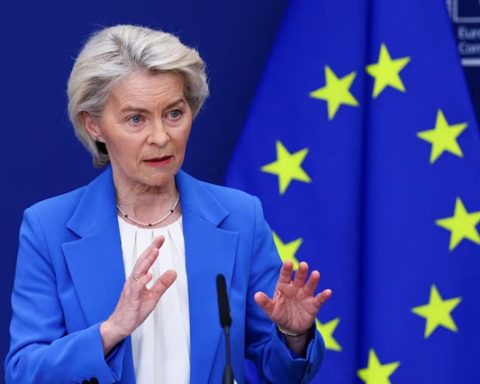
Despite potential cooperation hurdles, Niinistö and European Commission President Ursula von der Leyen stress the value of bolstered intra-EU intelligence sharing. They propose an anti-sabotage framework, EU cybersecurity expert training, and measures to enhance counter-espionage efforts across the EU. Brussels, already under scrutiny for espionage activities, faces further calls for improved security as it hosts hundreds of international institutions and diplomatic outposts.