Suggestions

  • World
  • Business
  • Arts
  • Politics
0
  • Home
  • Sri Lanka
  • Editorials
  • Defence
  • Business
  • World
  • Essays
    • Politics
  • New Books
  • Disclaimer Notice

0

Craig Unger

Craig Unger is the New York Times bestselling author of five books on the Republican Party’s assault on democracy. The former editor in chief of Boston Magazine, he was also a contributing editor for Vanity Fair where he covered national security and foreign affairs. His work has appeared in many other publications including New York Magazine, The New Yorker, Esquire, The Guardian, The New York Times, Washington Post, and The New Republic. He lives in Brooklyn, New York.

    October 5, 2026
    Sri Lanka

    Sri Lankan Opposition Leader Accuses Government of Undermining Solar Power

    Sri Lanka’s Opposition Leader Sajith Premadasa has accused the government of pursuing policies that threaten renewable energy projects, arguing that rooftop solar power could add 2,500 megawatts to the national grid and


    Business

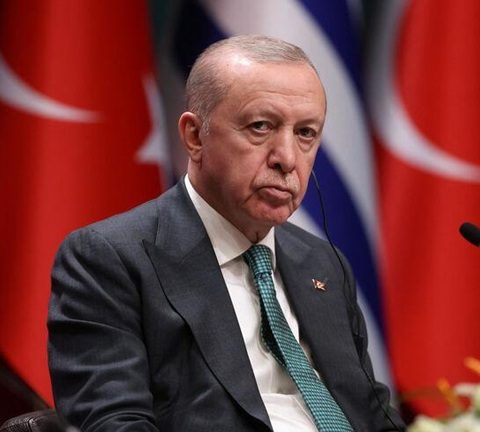
    Turkey’s Biggest Financial Scandal in a Decade Reaches Erdogan’s Political Circle

    Turkey’s biggest financial scandal in a decade has reached the political circle of President Recep Tayyip Erdogan, with senior members of his Justice and Development Party (AKP) and relatives of government officials under investigation over alleged benefits from a network

    October 5, 2026

    Foreign Postgraduate Students Generate €3.27 Billion for Spain as International Enrolment Surges

    Business

    International postgraduate education has become a major source of economic activity for Spain, with foreign students enrolled in master’s and other postgraduate programmes generating

    EU Proposes Limiting New Members’ Voting Rights to Prevent Democratic Backsliding

    Business

    The European Commission is proposing changes to the European Union’s enlargement rules that could allow new members to join while temporarily limiting their voting
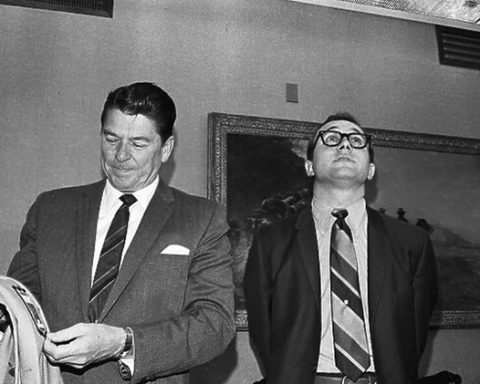
    The October Conspiracy: The Deal That Changed History

    October 11, 2024
    New Books

    The following excerpts adapted from the author’s most recent book, , published by Harper Collins Publishers The obscure we see eventually. The completely obvious, it seems, takes longer. — Edward R. Murrow

    More

    LATEST COLUMNS

    Bangladesh’s Hindu Minority: Citizenship, Not Charity

    Violence against Bangladesh’s Hindu minority has produced killings, attacks on

    Manipur’s ‘Peace’ Is Still Failing Its People

    More than three years after ethnic violence erupted in Manipur,

    Who Is Undermining India’s Democracy?

    India’s judiciary and Election Commission have survived decades of political

    First Woman to Lead the Old UN?

    Rebeca Grynspan’s candidacy comes at a moment when the United

    Bangladesh’s Prisoners of Politics

    Bangladesh has every right to prosecute those responsible for serious

    How Trump Tries to Decide the Elections in Brazil

    On the last Friday before the first round of Brazil’s

    From Army Commando to LeT Commander: Pakistan’s “Fauji” Pipeline

    The death of Hashim Musa, a former Pakistan Army Special

    Iran, US and China Back Islamabad MoU

    On the sidelines of the United Nations General Assembly in

    Venezuela’s Uneasy Survival

    Venezuela’s post-Maduro reality is defined by a stark imbalance of

    Afghanistan’s Terror Hub

    Afghanistan has once again become a major concern for regional

    The Fight Against Korean Deployment to Hormuz Continues

    The struggle against deployment continues because for Korea’s social movements

    Nicaragua’s ‘Lived Democracy’ Under Siege

    From once-violent streets in Masaya to nationwide consultations on electoral

    Rivals Who Still Need Each Other

    The US-China summit aims to stabilise relations through cooperation on

    The Modi-Xi Illusion

    The latest Modi-Xi engagement has revived the rhetoric of improved

    Rajasthan’s Mosque Demolitions: Security or Sectarianism?

    The demolition and eviction of Muslim religious institutions in Rajasthan’s

    The Sri Lanka Guardian is an online newspaper founded in August 2007 by a group of concerned Sri Lankan citizens including journalists, activists, academics and retired civil servants. Sri Lanka Guardian has registered as an online newspaper in the Government of Sri Lanka. This portal is currently a platform for over seven hundred regular writers from around the world. We are an independent and nonprofit. Email : editor@slguardian.org
    • Mirror Site
    • Privacy
    • Comment Policy
    • Contact Us
    • Disclaimer Notice
    • Home
    • Sri Lanka
    • Editorials
    • Defence
    • Business
    • World
    • Essays
      • Politics
    • New Books