


The United States has recorded 4,410 confirmed measles cases in 2026, more than double the total reported throughout 2025 and the highest level of transmission since 1991, according to the Centers for

The United States has recorded 4,410 confirmed measles cases in 2026, more than double the total reported throughout 2025 and the highest level of transmission since 1991, according to the Centers for
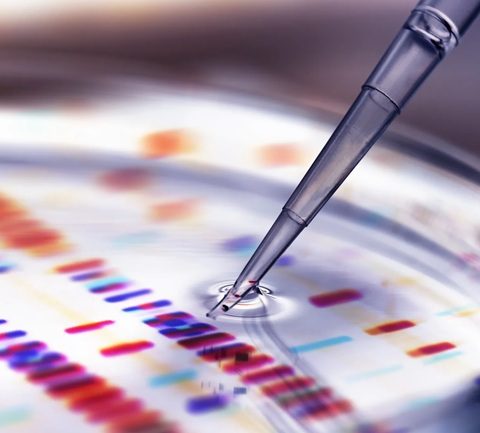
Google is expanding access to an experimental artificial intelligence system designed to analyse planetary data, identify public health risks and support disaster preparedness, after early trials with international organisations demonstrated how complex geospatial investigations could be completed in minutes rather
A Neanderthal who died from a penetrating spear wound about 75,000 years ago had previously survived a severe facial injury that may have required
About one in four active-duty US military personnel may have testosterone levels below a commonly used clinical threshold, according to a study published in
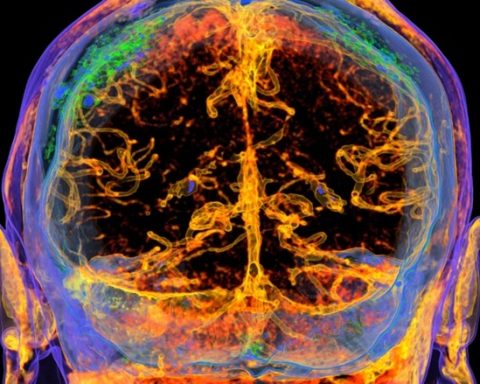
Scientists are making striking progress in applying gene-editing technology to one of medicine’s toughest frontiers: the human brain. According to a recent report in Nature, breakthroughs in mice suggest that CRISPR-based tools
More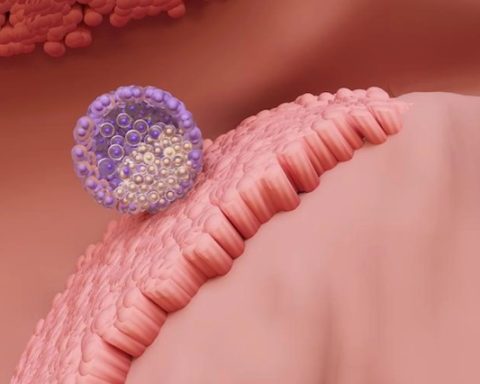
For the first time, scientists have captured real-time footage of a human embryo latching onto a lifelike replica of the uterine lining — a hidden but crucial milestone in early development. The
More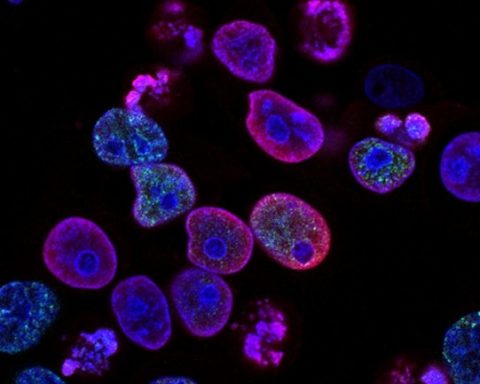
A team of scientists at the Massachusetts Institute of Technology (MIT) has used artificial intelligence to create two new antibiotics capable of killing dangerous drug-resistant bacteria, including MRSA, in laboratory and animal
More
A major international survey has found that more than half of patients who underwent electroconvulsive therapy (ECT) said it was unhelpful, worsened their quality of life, and was often administered without full
More
Distinguished liver cancer expert Feng Gensheng has returned to China after a 40-year scientific career in North America, stepping down from his position at the University of California, San Diego (UCSD) to
More
A major new study tracking nearly 80,000 members of the Seventh-day Adventist Church in North America has revealed that people who avoid meat may significantly reduce their risk of developing various cancers.
More
Indigenous scholars from settler-colonial countries including Aotearoa (New Zealand), Canada, Australia, and the United States have called for a fundamental shift in how scientific institutions engage with Indigenous peoples and knowledge. Writing
More
Astronomers have captured a tantalizing glimpse of a planet orbiting within the habitable zone of Alpha Centauri A — the nearest star system to Earth — potentially setting a new record for
More
As heatwaves become more frequent and intense due to climate change, researchers are urging a fundamental shift in how societies prepare for extreme heat. A new analysis published in Nature argues that
More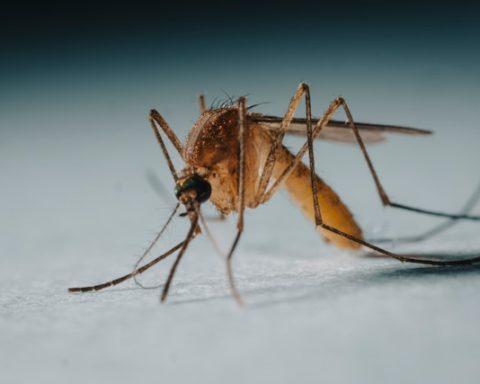
In a dramatic and unconventional move to curb China’s largest-ever chikungunya outbreak, scientists in the southern province of Guangdong are deploying swarms of “elephant mosquitoes” — giant, non-biting insects whose larvae feast
More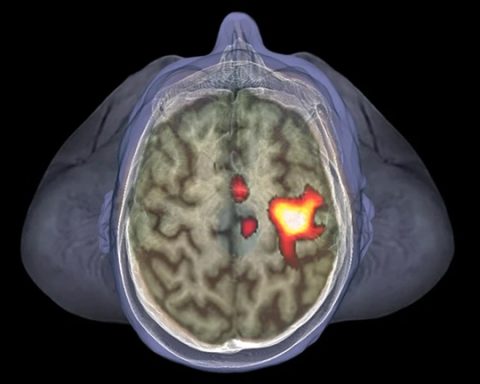
Researchers have found that merely seeing someone who appears sick can activate the body’s immune system, as if preparing for infection. The study, published on July 28 in Nature Neuroscience, reveals how
More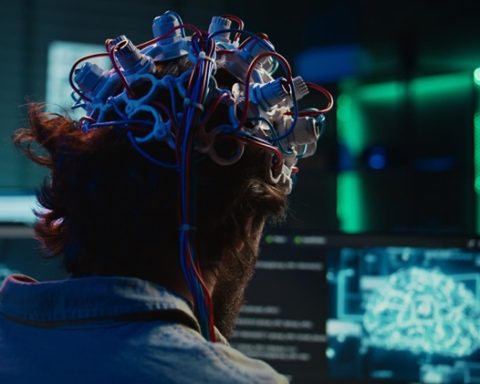
For anyone who has ever felt groggy and disoriented after hitting the snooze button, science may now have an answer for why. A groundbreaking study published today in Current Biology has revealed
More A groundbreaking study led by Dr. Li Chuanyun from the Institute of Genetics and Developmental Biology, Chinese Academy of Sciences (CAS), has revealed a surprising double-edged role of human-specific genes. These genes,
More
Cancer is rapidly becoming a manageable condition rather than a fatal diagnosis, thanks to a wave of transformative medical breakthroughs, according to Professor Sir Stephen Powis, the outgoing National Medical Director of
More
A sweeping new genomic study published in Nature has uncovered compelling evidence that many of the most notorious infectious diseases—such as plague and leprosy—made the leap to humans only after ancient communities
More