


Genghis Khan, one of history’s most formidable conquerors, is being celebrated in modern Mongolia as a symbol of national unity, political strength and cultural identity, despite the mass killings and devastation that

Genghis Khan, one of history’s most formidable conquerors, is being celebrated in modern Mongolia as a symbol of national unity, political strength and cultural identity, despite the mass killings and devastation that
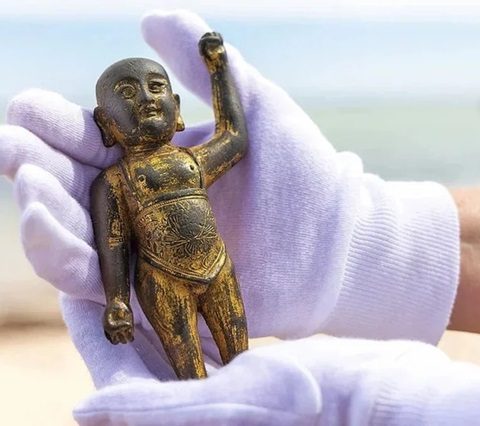
A 500-year-old bronze Buddha statue discovered buried near a roadside in Western Australia has been returned to China, ending years of uncertainty over its custody but leaving unanswered questions about how the artefact reached the country. The 15cm (six-inch) figurine
The United States and the Soviet Union came closer to an agreement to abolish nuclear weapons than the public was led to believe after
Leif Erikson and his Norse crew reached North America around the year 1000, establishing an outpost in present-day Newfoundland nearly five centuries before Christopher
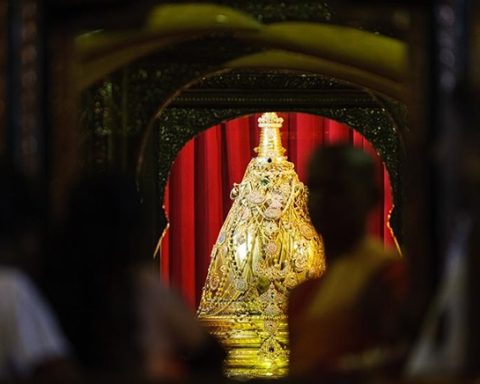
Sri Lanka’s archaeology chief says the nearly 300-year-old casket formerly used for the Sacred Tooth Relic should be preserved as an archaeological heritage artifact, regardless of the monetary value of its gold.
More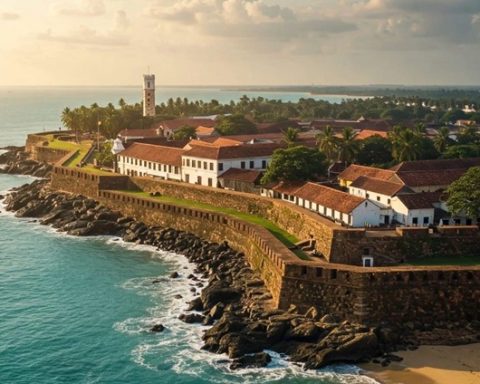
The Dutch transformation of Sri Lanka was not based solely on military power or direct colonial administration. According to the source, its deeper impact lay in the creation of systems through which
More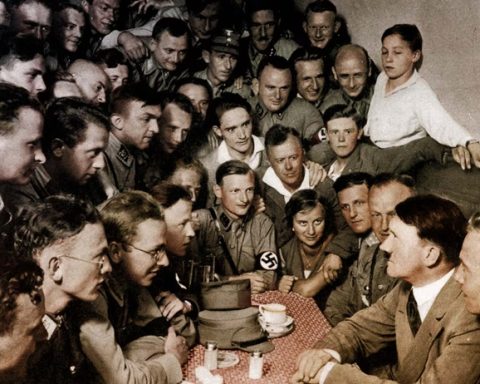
For decades, a persistent German family narrative portrayed the aristocracy as a social class that had viewed Adolf Hitler with contempt and largely stood outside his dictatorship. Research examined by Der Spiegel
More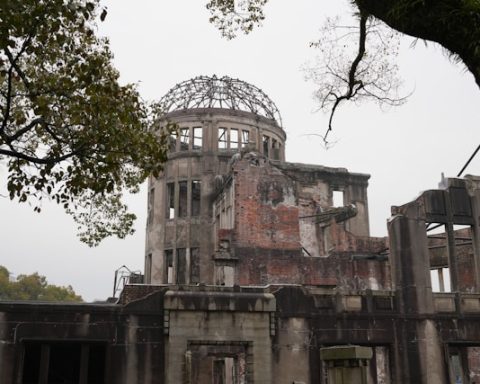
A newly reviewed wartime document shows that Japan’s Imperial Army secretly prepared for the possibility of imposing martial law in Tokyo in January 1945, amid fears that large-scale US air raids could
More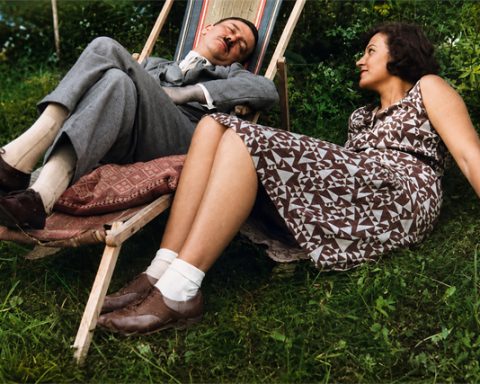
The death of Geli Raubal, Adolf Hitler’s 23-year-old niece, has long been surrounded by conflicting accounts. She was found dead in September 1931 in Hitler’s Munich flat at Prinzregentenplatz. The established chronology
More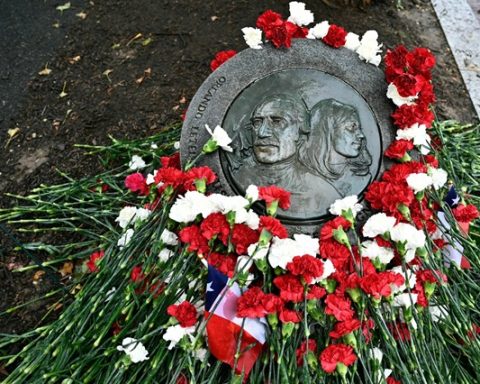
Fifty years on, the bomb has stopped exploding, but the questions it left behind have not. The newly released records deepen the evidence surrounding Pinochet’s alleged role, while the most consequential findings
More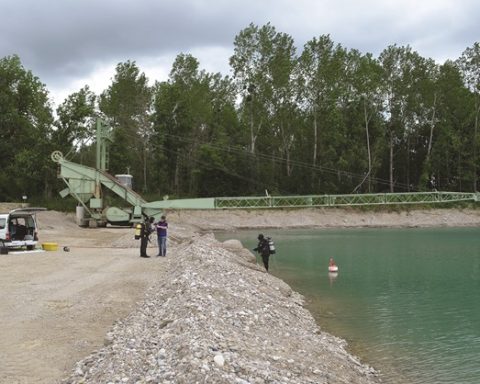
A remarkable archaeological discovery in Austria is forcing a reassessment of the scale of Iron Age iron production and trade in Central Europe. The findings, reported in Antiquity, the international, peer-reviewed journal
More
A reunion at the Home of Veterans in Akuregoda leads Admiral Ravi Wijegunaratne back to memories of his service in Mannar in 1985, when a decision to travel with an Army convoy
More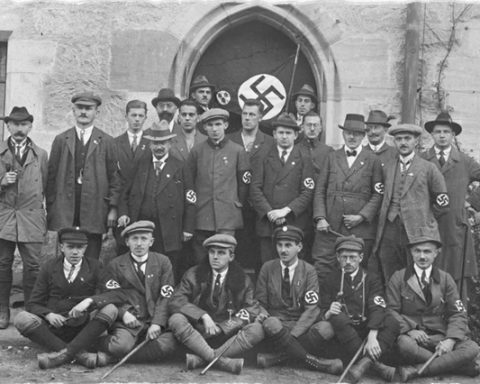
Many nevertheless portrayed themselves as misguided idealists who had become disillusioned with Nazi methods after 1933. Löpelmann went further. Before a denazification commission, he presented himself as a victim of the Nazis
More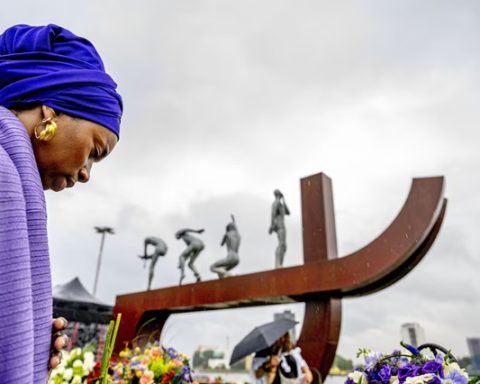
European countries are increasingly confronting the history and continuing consequences of the transatlantic slave trade, yet formal apologies and meaningful reparations remain rare as governments draw a legal line between acknowledging the
More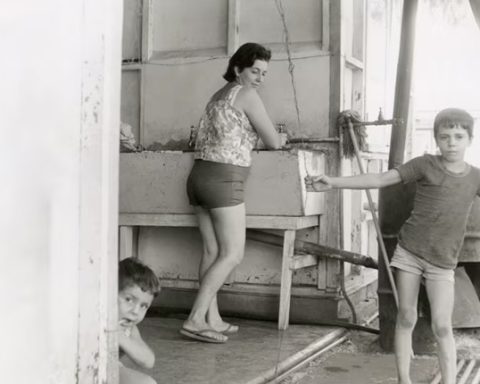
Wittenoom no longer appears on Australia’s road signs. It has been removed from official maps, abandoned and effectively erased. Nobody lives there, and visiting is prohibited. Yet for decades this remote settlement
More
Cultural heritage is under attack in the United States. The National Historic Preservation Act’s Section 106 regulation, which balances economic development and historic preservation, has been rewritten to leave historic places in
More
A decade ago, Kurdish movements across the Middle East appeared to be gaining ground. In Syria, Kurdish militias advanced against the self-proclaimed Islamic State caliphate, their resistance against the jihadists responsible for
More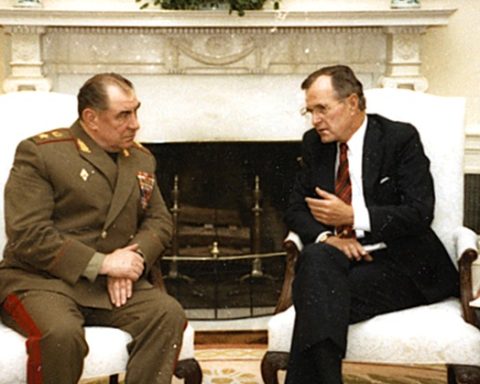
by Durga Velayudham For much of the Cold War, the Soviet Union’s military posture in Europe rested on a stark premise: if war came, Soviet forces would advance rapidly into Western Europe.
More
More than 3.6 million people pass through room number 12 of Madrid’s Prado Museum each year to admire Diego Velázquez’s La familia de Felipe IV, better known since the 19th century as
More