


Genghis Khan, one of history’s most formidable conquerors, is being celebrated in modern Mongolia as a symbol of national unity, political strength and cultural identity, despite the mass killings and devastation that
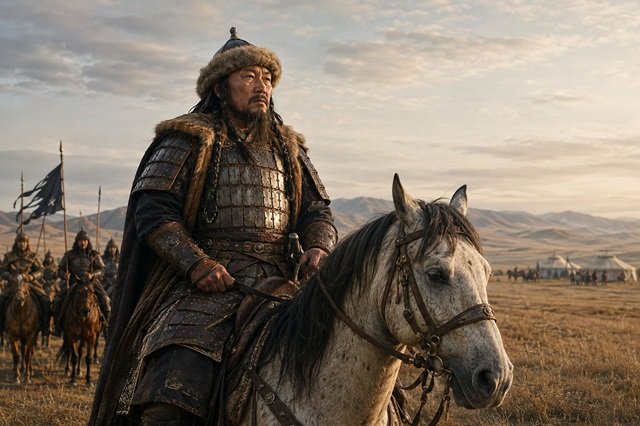
Genghis Khan, one of history’s most formidable conquerors, is being celebrated in modern Mongolia as a symbol of national unity, political strength and cultural identity, despite the mass killings and devastation that
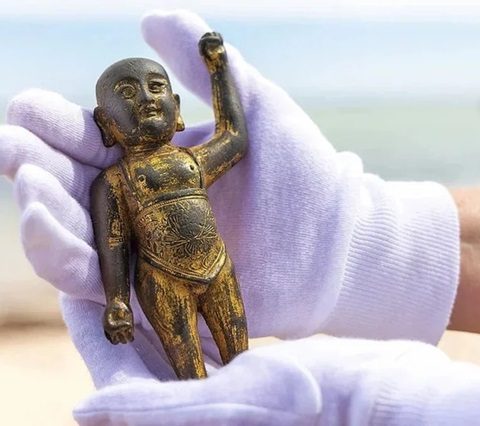
A 500-year-old bronze Buddha statue discovered buried near a roadside in Western Australia has been returned to China, ending years of uncertainty over its custody but leaving unanswered questions about how the artefact reached the country. The 15cm (six-inch) figurine
The United States and the Soviet Union came closer to an agreement to abolish nuclear weapons than the public was led to believe after
Leif Erikson and his Norse crew reached North America around the year 1000, establishing an outpost in present-day Newfoundland nearly five centuries before Christopher
Genghis Khan, one of history’s most formidable conquerors, is being celebrated in modern Mongolia as a symbol of national unity, political strength and cultural identity, despite the mass killings and devastation that
More
A 500-year-old bronze Buddha statue discovered buried near a roadside in Western Australia has been returned to China, ending years of uncertainty over its custody but leaving unanswered questions about how the
More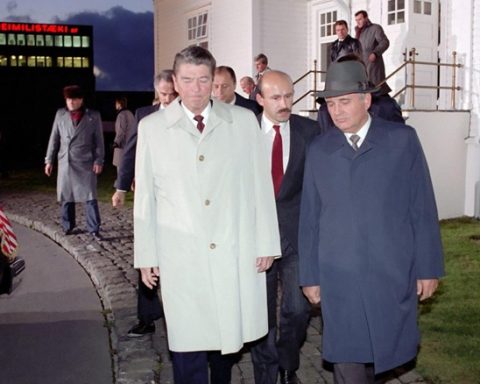
The United States and the Soviet Union came closer to an agreement to abolish nuclear weapons than the public was led to believe after their leaders met in Reykjavik in October 1986,
More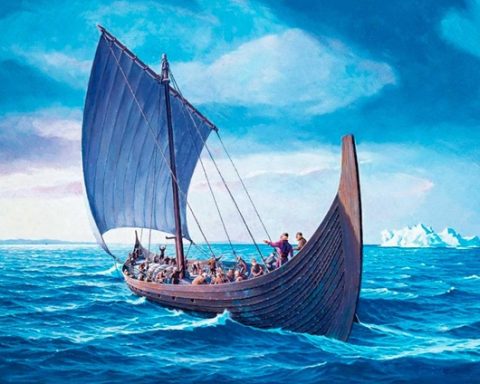
Leif Erikson and his Norse crew reached North America around the year 1000, establishing an outpost in present-day Newfoundland nearly five centuries before Christopher Columbus crossed the Atlantic in 1492. Yet while
More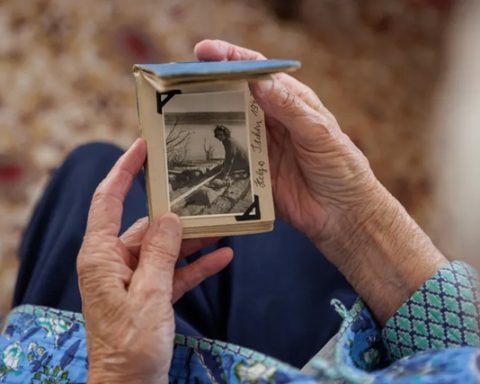
At 98, Renate Seifert still keeps a photograph of herself in the uniform of the League of German Girls, the Nazi organisation for girls aged 14 to 18. Taken in 1944, when
More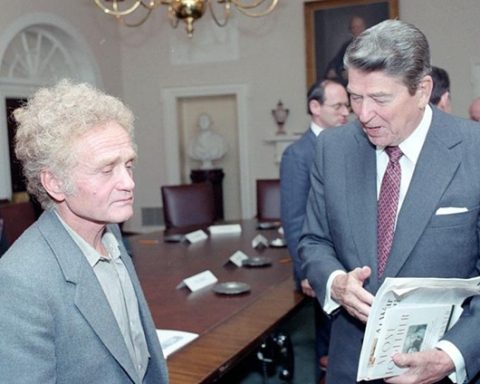
The confrontation between Washington and Moscow during the final years of the Cold War was not confined to nuclear weapons, military strategy and competing visions of global security. Newly declassified records published
More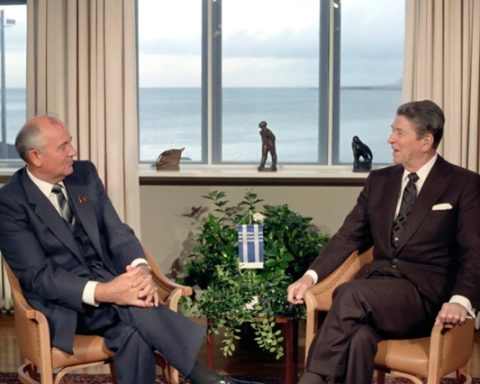
President Ronald Reagan seriously considered a Soviet proposal to eliminate all nuclear weapons by the year 2000, challenging the view that Washington dismissed the initiative as propaganda, according to declassified documents released
More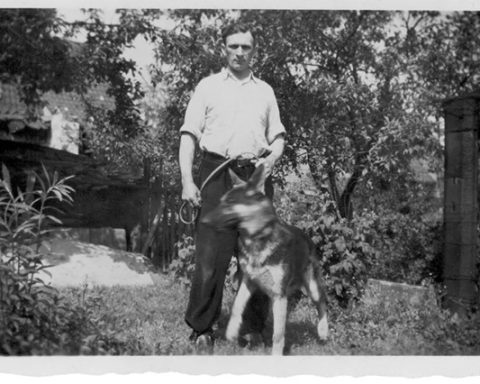
When Frank Patalong discovered in the spring of 2026 that his grandfather had joined the Nazi Party, the revelation shattered a family story he had accepted since childhood. Eduard Patalong, a coal
More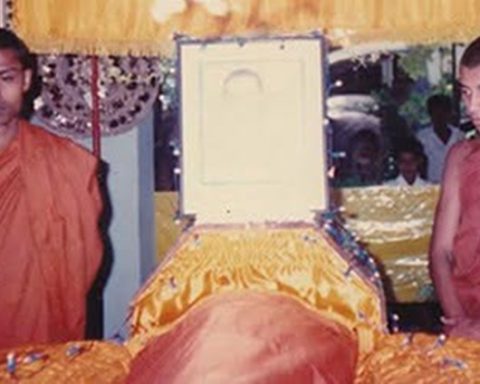
During Sri Lanka’s second JVP insurrection, 41 Buddhist monks and two Catholic priests were reportedly killed by the JVP’s armed wing, while government security forces and paramilitary groups were blamed for the
More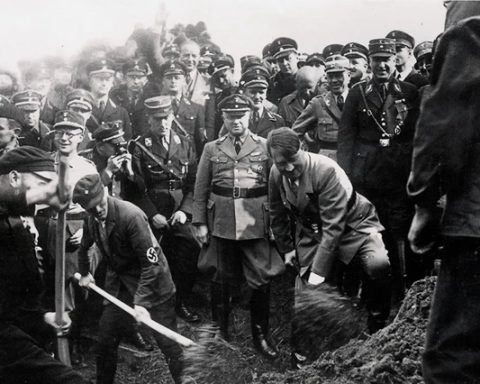
When Max-Erich Feuchtinger died in 1960, he was remembered as one of West Germany’s leading transport planners. His designs had shaped the reconstruction of bombed-out Ulm, while he had planned motorways near
More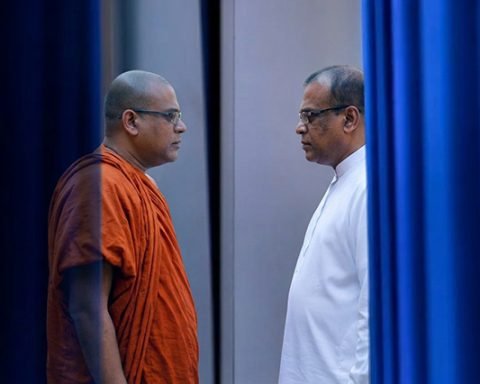
The return of Galagoda Aththe Gnanasara Thera to prison has revived an old confrontation between religious influence and judicial authority. His contempt case, examined alongside landmark rulings from Sri Lanka, Britain, the
More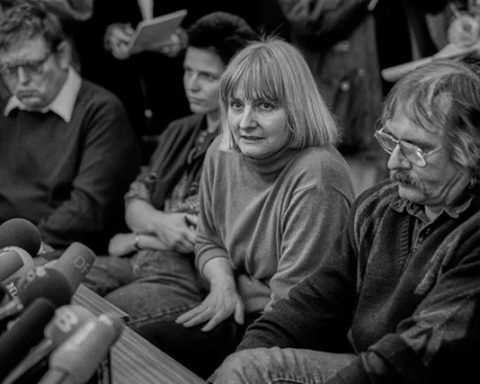
The Alternative for Germany (AfD) has claimed the language of East Germany’s peaceful revolution as its own after its record result in Saxony-Anhalt, reopening an old dispute among former civil-rights activists over
More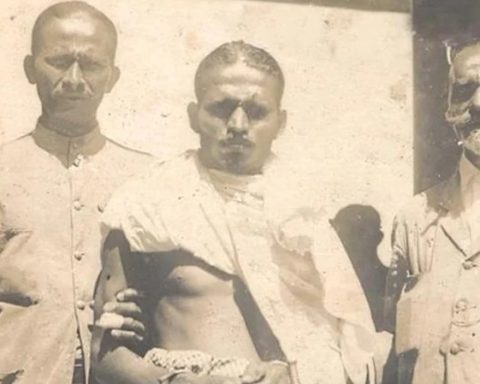
On the morning of 30 July 1929, a man carrying a small axe entered the upper terrace of the Sri Maha Bodhi in Anuradhapura and struck one of its principal branches several
More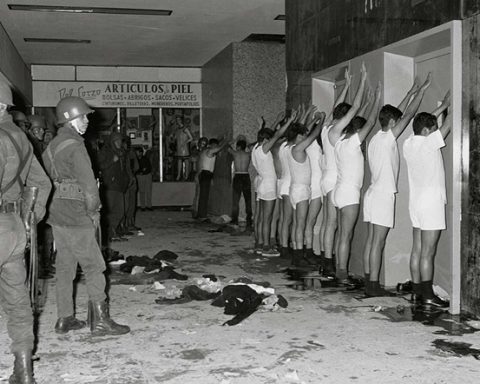
The CIA continues to withhold major portions of its internal history of operations in Mexico, including nearly ten completely redacted pages concerning activities against left-wing student groups in the period leading up
More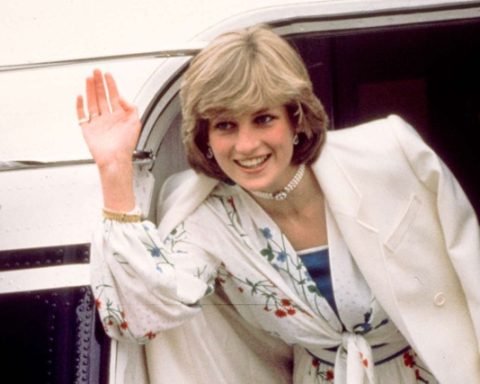
by Nil There is something almost unsettling about the fact that Charles Spencer’s most intimate book about Diana begins, in effect, with a question of possession: who knew her best? His mother,
More