


by Nil There is something almost unsettling about the fact that Charles Spencer’s most intimate book about Diana begins, in effect, with a question of possession: who knew her best? His mother,
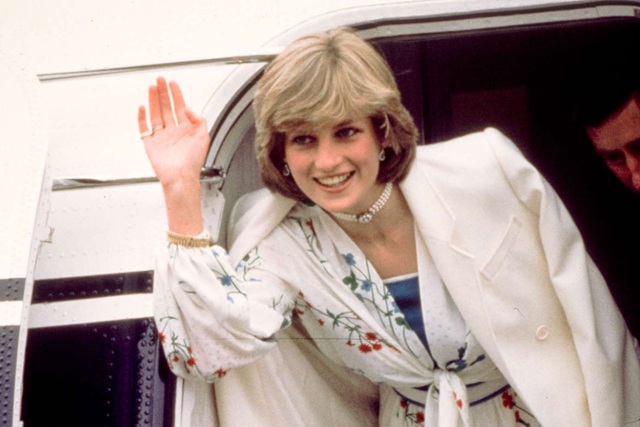
by Nil There is something almost unsettling about the fact that Charles Spencer’s most intimate book about Diana begins, in effect, with a question of possession: who knew her best? His mother,
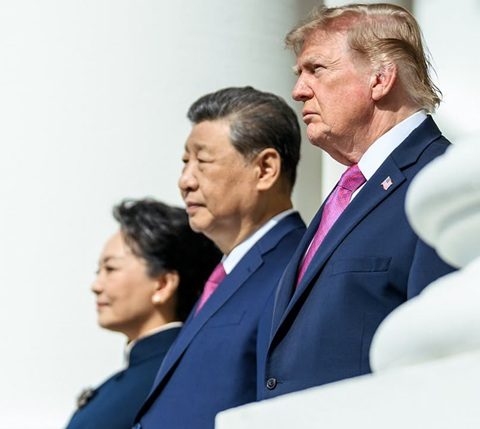
by Luxman Anthony Scaramucci’s most revealing confession may also be the sentence that prevents All the Wrong Moves from becoming a conventional anti-Trump polemic: “I bought into Donald Trump. That doesn’t reflect well on me. Nothing in this chapter reflects
by Eric A family history can begin with a birth certificate, a grave, a photograph or a name. Edward Ball begins somewhere more difficult:
by Durga The most revealing sentence in Lindy Li’s Unburdened may be the one that sounds least like political analysis: “Why did I do
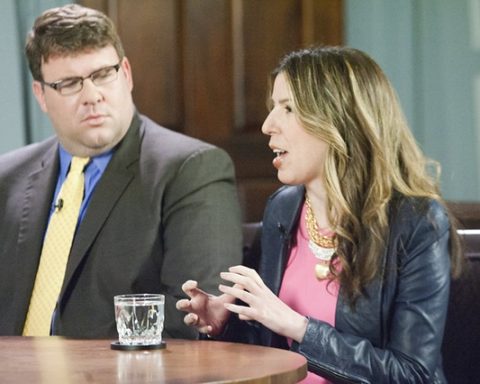
by Nil Politics, like war, is not merely about winning battles but about surviving them. Fight by Jonathan Allen and Amie Parnes is a gripping post-mortem of an America in turmoil, a
More
by Eric Tom Bower’s The Fall of Fayed is an extraordinary excavation of wealth, deception, and downfall, chronicling the rise and eventual collapse of Mohamed Al-Fayed’s empire. The book, a forensic dissection
More
by Durga Tejvan Pettinger’s Economics: 50 Essential Ideas offers a compact yet incisive look at some of the most significant economic theories, bringing them to life with historical context, real-world applications, and
More
by Eric Warren Mosler’s The Seven Deadly Innocent Frauds of Economic Policy is not merely a critique but a full-scale dismantling of the myths governing modern economic thought. With relentless clarity, Mosler
More
by Eric Padraic X. Scanlan’s Rot is a searing examination of the corruption, exploitation, and decay inherent in colonial and imperial structures. With meticulous historical analysis and sharp prose, Scanlan dismantles the
More
by Durga In The Dream Cure, the author weaves an intricate tapestry of longing, psychological turmoil, and the human desire for escape. The book is a profound exploration of dreams—not just as
More
If history is the scaffold upon which civilizations build their myths, then Inventing the Renaissance: The Myth of a Golden Age ruthlessly dismantles one of the grandest illusions of all: the Renaissance
More
by Eric In The Dead Sea: A 10,000-Year History, the author excavates not merely the layers of sediment that compose the physical basin of this enigmatic inland sea but the strata of
More
by Durga Edna Bonhomme’s A History of the World in Six Plagues is no passive chronology of pandemics—it is an excoriating treatise on the intersections of disease, colonialism, and the necropolitical calculus
More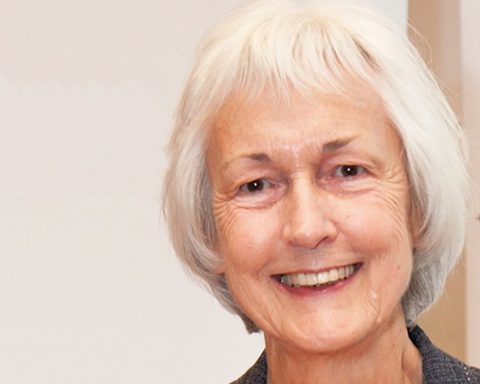
by Durga Velayutham Poststructuralism is often dismissed as an esoteric relic of late-20th-century French philosophy, an intellectual indulgence for those with time to unpick Derrida’s wordplay. Yet, in an age where Artificial
More
by Nil Michael Ruse’s Atheism: What Everyone Needs to Know is not merely a survey of nonbelief—it is a crucial intervention in an era where artificial intelligence, misinformation, and ideological manipulation shape
More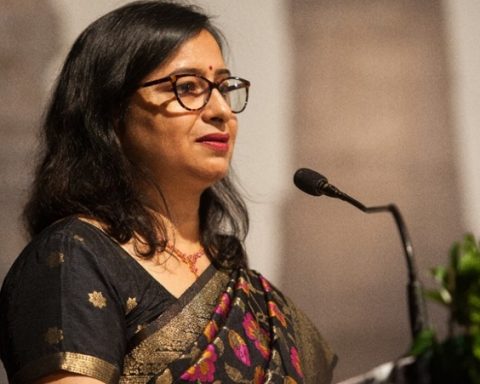
by Satchi Deepa Mandlik’s Dynasties of Devotion is a work that does not merely present temples as places of worship, but as testaments to an India that thrived on artistic ambition, imperial
More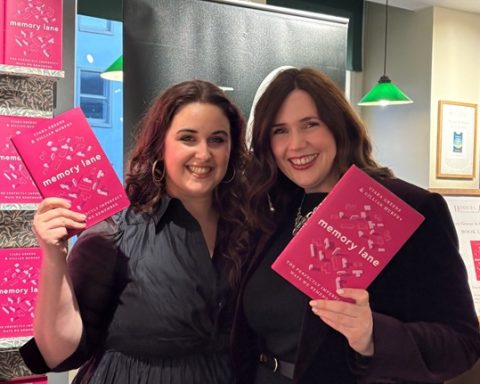
by Eric Ciara Greene and Gillian Murphy’s Memory Lane is not merely a book about memory; it is an unflinching confrontation with the fallibility of the human mind. We often think of
More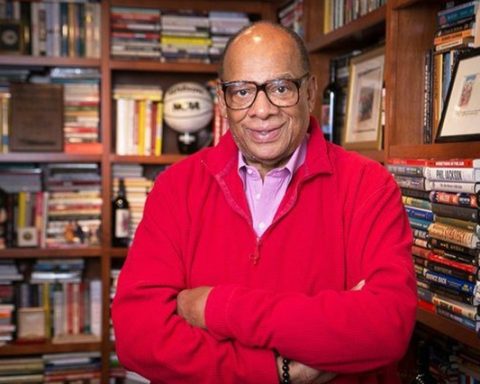
by Durga George Raveling’s What You’re Made For is neither a memoir nor a simple self-help manual. It is a philosophical challenge wrapped in personal stories, a book that forces the reader
More
by Nil Adam Rutherford’s A Brief History of Everyone Who Ever Lived is an incendiary, provocative, and profoundly necessary book. It does not merely narrate human history through the lens of genetics;
More